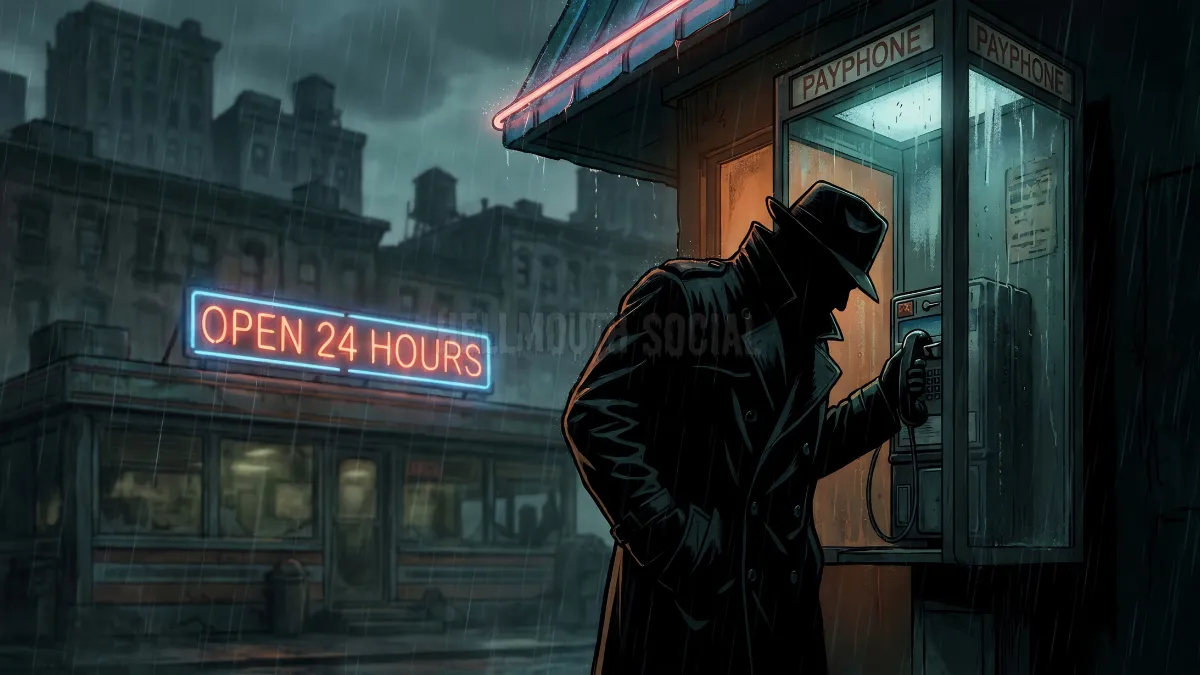
The Original "Work-Life Balance" Was Just Not Being Dead
Listen, fellow survivors of the Oregon Trail and the Great Low-Rise Jean Blunder of 2002. I recently sat back with a glass of boxed wine to revisit a relic from 1992: Forever Knight. Specifically, the pilot episode, "Dark Knight".
Remember 1992? We were busy worrying if the grunge look made us look cool or just homeless, while Nick Knight — a vampire cop with a guilt complex the size of Ontario — was busy reinventing the "toxic workplace" before it had a HR-approved name. Watching this now is like looking into a time capsule filled with hairspray, CRT monitors, and the kind of existential dread you can only feel when you’re 800 years old but still have to report to a precinct in Toronto.
Nick Knight is the ultimate Xennial icon because he’s literally stuck between two worlds: his dark, problematic past (the 80s/The Crusades) and a future where he just wants to be a "normal" guy with a 9-to-5. Except his 9-to-5 is an 8-to-5... AM. Here is why this show is basically a documentary of our collective mid-life crises.
1. The Ultimate Night Shift: Remote Work Wasn't an Option in 1228
In "Dark Knight", Nick is obsessed with becoming human again. From a sociological standpoint, he’s experiencing what we call Role Conflict. He wants to be the "Good Cop", but his biological imperative (and his boss, Lacroix) keeps reminding him he’s a predator.
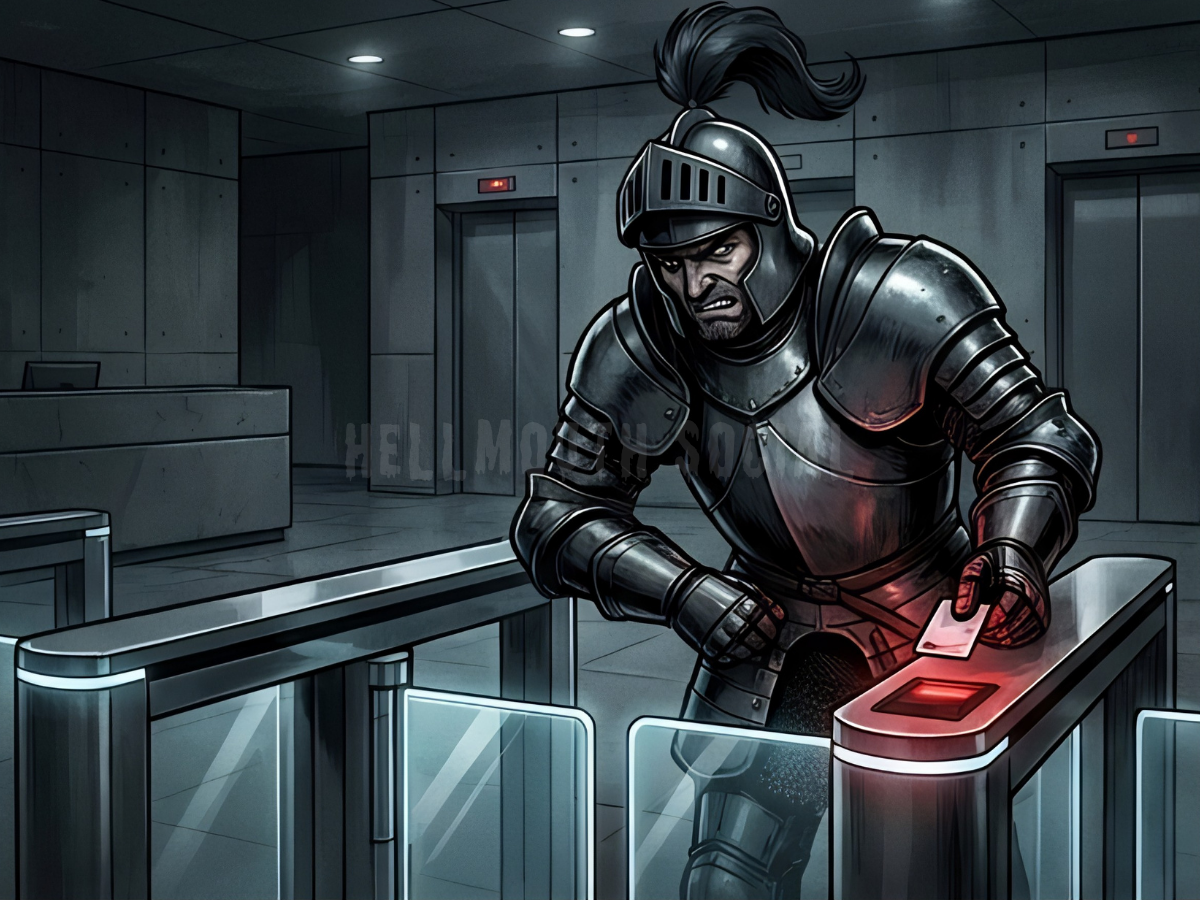
Back in the 90s, we were told we could "have it all". Nick took that literally. He wanted the career, the social life, and the redemption arc, all while managing a diet that consists entirely of bottled O-negative. Today, we call this Burnout. Nick is the patron saint of the side hustle. His main job is homicide detective; his side hustle is finding a cure for his own mortality.
Compare this to our current lives. We’re over 40, and we’re tired if we stay up past 10:30 PM watching a documentary about a cult. Nick is out there at 3:00 AM, chasing perps in a Cadillac that gets four miles to the gallon, while we’re wondering if the blue light from our smartphones is the reason our joints ache.
Nick’s struggle to belong in the human world is just a goth version of us trying to understand TikTok trends. He’s trying to pass as human; we’re just trying to pass as "digitally literate".
2. Lacroix is the Boomer Boss We Can’t Quit
Enter Lacroix. If Nick is the struggling Xennial trying to find meaning, Lacroix is the ultimate Boomer mentor — if that mentor also occasionally ate the interns. He represents the Traditional Authority that refuses to let go. He’s constantly whispering in Nick’s ear, telling him that he’ll never truly change and that the "old ways" (killing people and living in opulence) are superior to this new-fangled "morality" and "civil service".
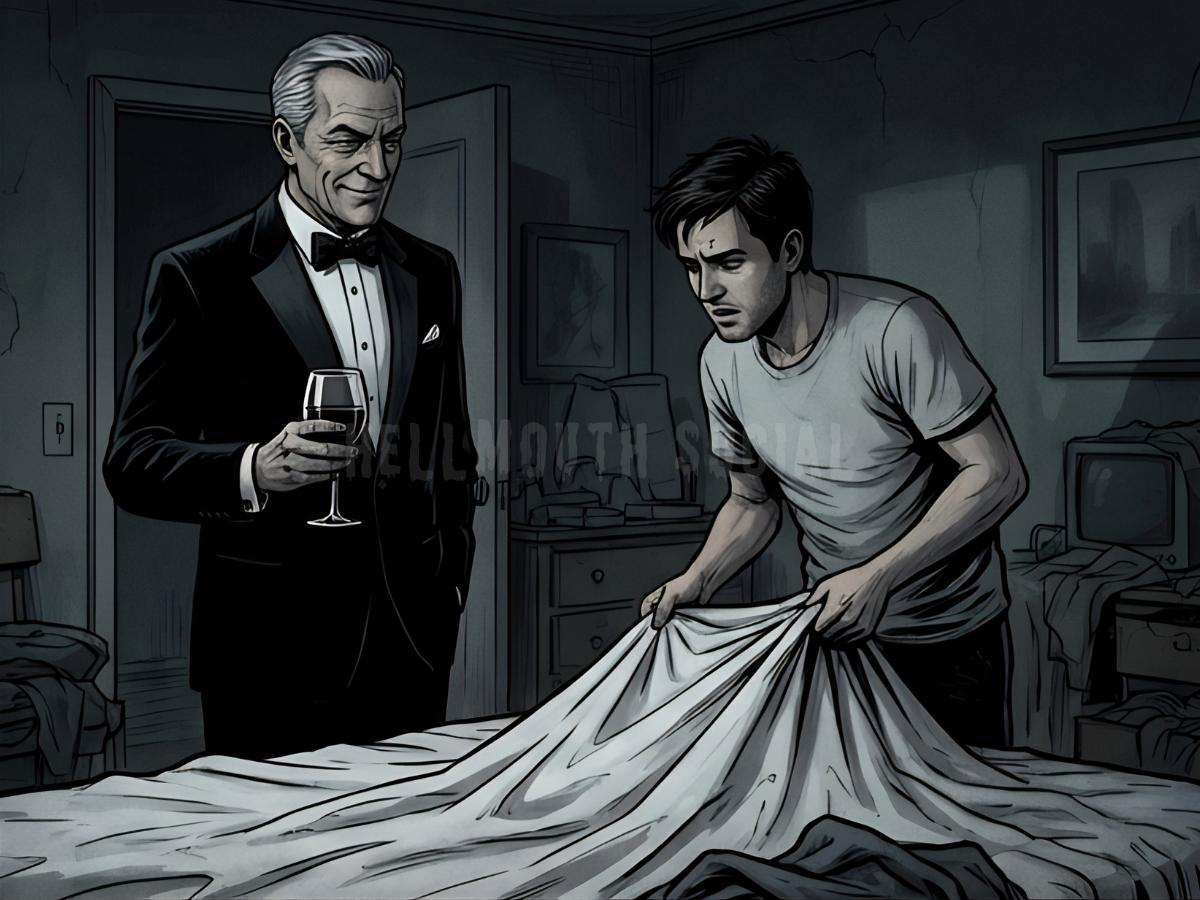
In the pilot, their relationship is a masterclass in Generational Friction. Lacroix views Nick’s desire for humanity as a ridiculous fad, much like our parents viewed our useless Liberal Arts degrees or our insistence that mental health matters. Lacroix wants Nick to embrace his nature, which is really just code for "stay in the family business and stop asking questions."
We’ve all had a Lacroix. That boss who remembers when "men were men" and "work was work", who looks at your standing desk and your wellness days with a mix of pity and disgust. Watching Nick try to ignore Lacroix’s psychic phone calls is exactly like me trying to ignore an "Urgent" Slack message from a supervisor on a Saturday afternoon. The only difference is my boss doesn't have a French accent or a cool loft in a radio tower. (Actually, she might have the loft. The rent is insane these days).
3. The 90s Precinct: A Simpler Time of Casual Malpractice
The sociology of the 90s police precinct in "Dark Knight" is fascinating. It’s a world of High-Stakes Anonymity. There are no DNA databases that return results in twenty minutes. There are no body cams. There’s just vibes, fingerprints, and Nick Knight using his "vampire senses" (which is really just a metaphor for being the only person in the room who actually paid attention during the meeting).
Nick’s partner, Don Schanke, is the human embodiment of the 1990s. He’s loud, he’s wearing a tie that probably cost $4.00, and he’s completely oblivious to the fact that his partner is a literal monster. This represents the Social Cohesion of the era — we were all just blissfully unaware of the insanity happening right next to us because we weren't constantly filming everything on our phones.
Today, if a detective showed up to a crime scene with skin as pale as a Victorian ghost and refused to work during the day, he’d be outed on social media within five minutes. There would be a subreddit dedicated to proving Nick Knight is a vampire. But in 1992? You could just be "the eccentric guy who likes the night shift". There was a beautiful Information Asymmetry back then.
We didn't know everything about everyone, and honestly, it made the world a lot more interesting. Now, I know my neighbor’s political leanings, their sourdough starter’s name, and their 10k run time before I’ve even had coffee. I miss the mystery. I miss the "vampire living in a museum" level of privacy.
Conclusion: We’re All Just Vampires in Cardigans Now
Ultimately, Forever Knight’s pilot reminds us that the struggle for identity isn't just for the undead. Nick Knight represents that specific Xennial bridge: he’s old enough to remember the "old world" (the sword fights, the plagues, the 80s hair) but young enough to want a better future (the science, the justice, the... 90s hair).
As we sit in our 40s, looking back at the 92-cent gas prices and the absence of constant digital surveillance, we realize we’re all trying to "walk in the sun" in our own way. We’re balancing the ghosts of who we were with the reality of who we’ve become. We might not be sleeping in a coffin or fighting off an ancient mentor, but we are fighting the slow decay of our own relevance in a world that moves too fast.
So, raise a glass (of blood or Pinot, your choice) to Nick Knight. He reminded us that even if you're cursed to live forever, the hardest part of life is still just showing up for your shift and trying not to bite your coworkers.
Do you think we were more "human" in the 90s before we became extensions of our devices, or was the mystery of that era just a lack of high-definition cameras?