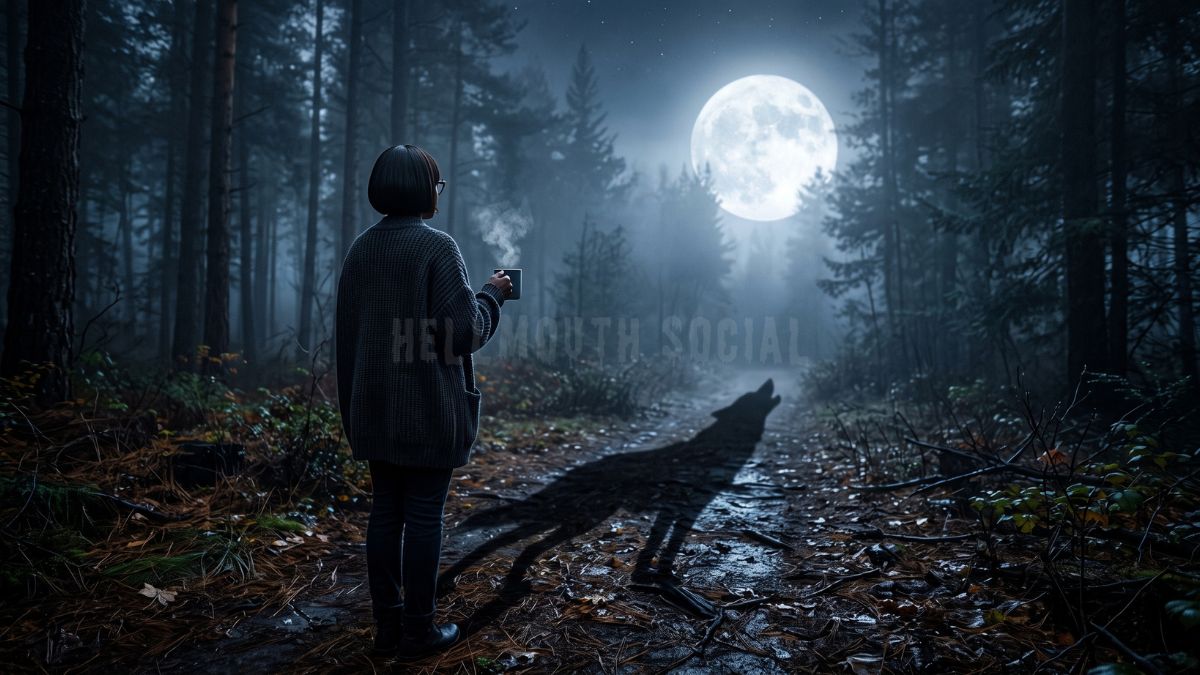
Bitten by Midlife: Which Teen Wolf Season Is Your Personality
Nobody warns you that the most psychologically accurate show about turning forty is an MTV werewolf drama with a lacrosse subplot.
I came back to Teen Wolf the way most of us came back to everything between 2020 and now — exhausted, horizontal, and looking for something my brain could metabolize without effort. I figured I'd hate-watch a few episodes of beautiful teenagers having problems I no longer had. Instead I got absolutely flattened by the premise.
Because the whole thing, the entire show, is this: a kid with asthma who can't get off the bench gets bitten in the woods by something he didn't consent to, and wakes up in a body that has been completely renovated overnight without his permission. New strength. New senses. New rage. New rules nobody handed him. He spends six seasons trying to figure out how to live inside a body that betrayed and upgraded him in the same moment, while pretending to everyone at school that he's fine.
Ma'am. That's just perimenopause.
So I did what I always do, which is build an unhinged framework around a thing I love so I can feel productive about being on the couch. Each of the six seasons, it turns out, is a midlife archetype — a specific survival strategy adulthood bit into you when you weren't looking. Find your era below.
Then take the quiz and confirm which one the woods got you with. There are no wrong answers, except Theo. We'll get to Theo.
Season 1: The Late Bloomer
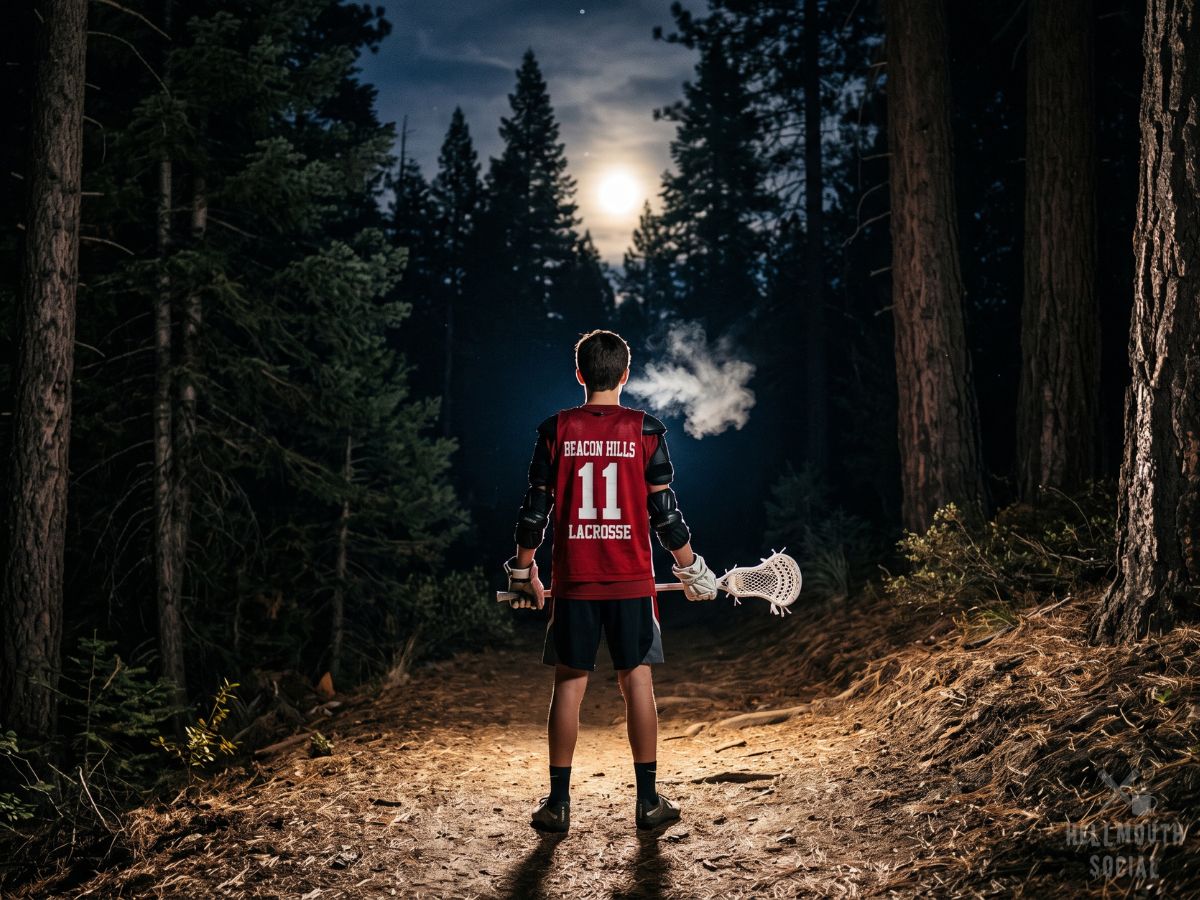
The season in one breath: Scott McCall, benchwarmer with an inhaler, gets bitten by an Alpha in the preserve and discovers he is suddenly, alarmingly, good at things. He makes first line in lacrosse. He gets the girl. He has powers he didn't ask for and can barely control, and he's learning an entire new rulebook in real time while his best friend narrates.
The archetype: This is the woman who reinvented herself at forty-one and is, frankly, insufferable about it now. Something bit her — therapy, a diagnosis she should've gotten in 1994, the right little pill, a 5K she signed up for in a fugue state — and suddenly she has capacities she never knew were in there. She was good at this the whole time. She just needed to get jumped by her own potential in a metaphorical forest.
The Season 1 energy is wide-eyed and a little smug. You're discovering you can do hard things, and you cannot shut up about your morning routine. You have a planner you actually use. You learned the word "dysregulated" and now you apply it to everyone at the grocery store. The transformation is real and it's working, but you're still tripping over the new instincts — full moon, full inbox, same overwhelm.
You're this era if: you've started a sentence with "honestly, since I started [thing]" more than twice this month, and you mean every word.
Season 2: The Reinvention Villain Era
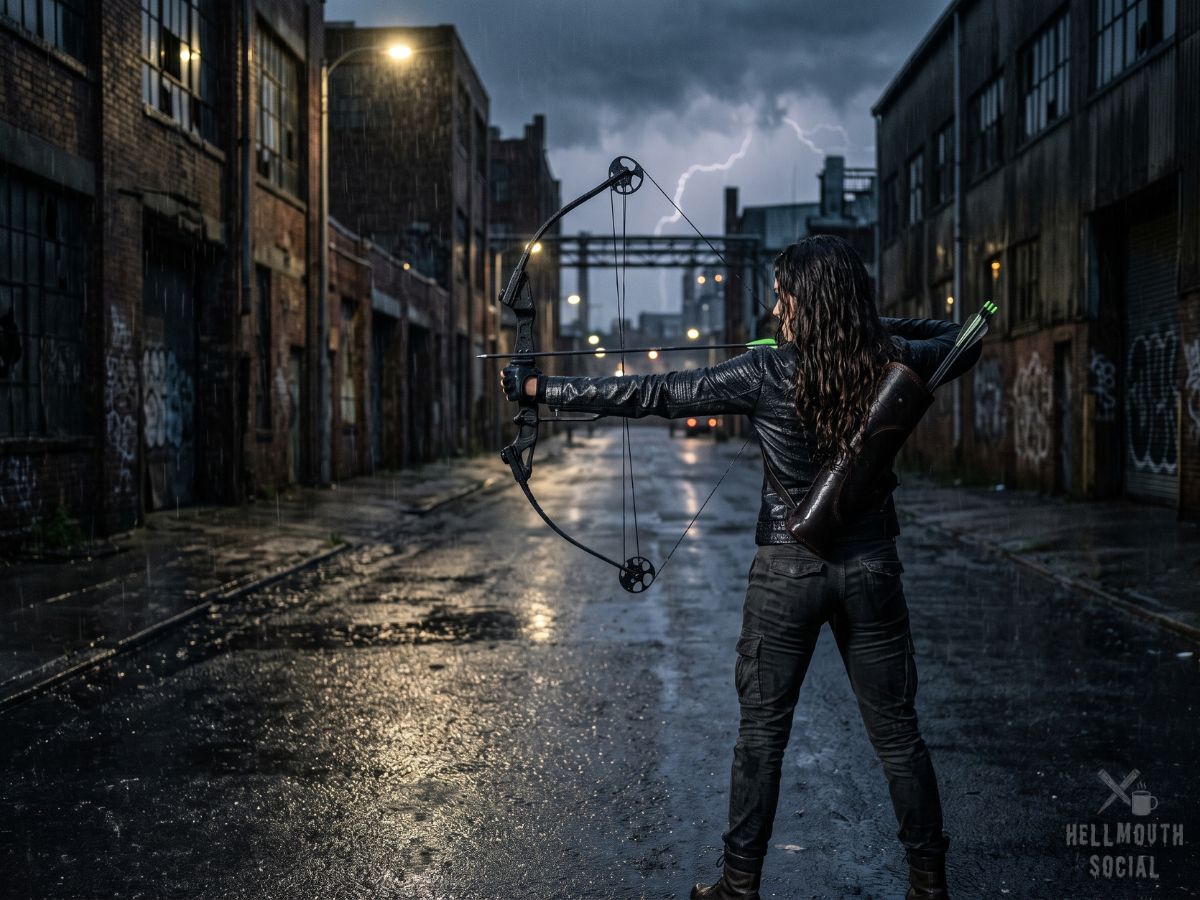
The season in one breath: The Kanima — a body weaponized and puppeteered by someone else's agenda. Allison loses her mother and her grief curdles, beautifully and terrifyingly, into a kill list. Derek stops waiting for permission and builds his own pack from scratch. Everyone is done being controlled and the body count reflects it.
The archetype: Oh, this is the rage. This is the good rage. This is the woman who spent two decades being the Kanima — moved around by other people's agendas, doing things she didn't choose, weaponized for causes that were never hers — and then woke up one morning and decided, with total clarity, that she was done.
Allison's whole "we're going to find them, and we're going to kill them, all of them" is just a woman discovering boundaries for the first time and overcorrecting into magnificence. The HRT kicks in, the estrogen finds a window, and she emerges with a list. The list is not literally murder. The list is the PTA, the friend who only calls when she needs something, the meeting that could've been an email, and her own former self who said yes to all of it. She is building her own pack now, on her own terms, and the terms are non-negotiable.
This is villain-era hot-girl reinvention and it is healthy, actually. Probably. Therapeutically she's doing great and everyone around her is a little scared, which is the correct ratio.
You're this era if: you recently quit something with a flourish, told zero lies on the way out, and have not lost one minute of sleep over it.
Season 3: The One Who Survived Herself
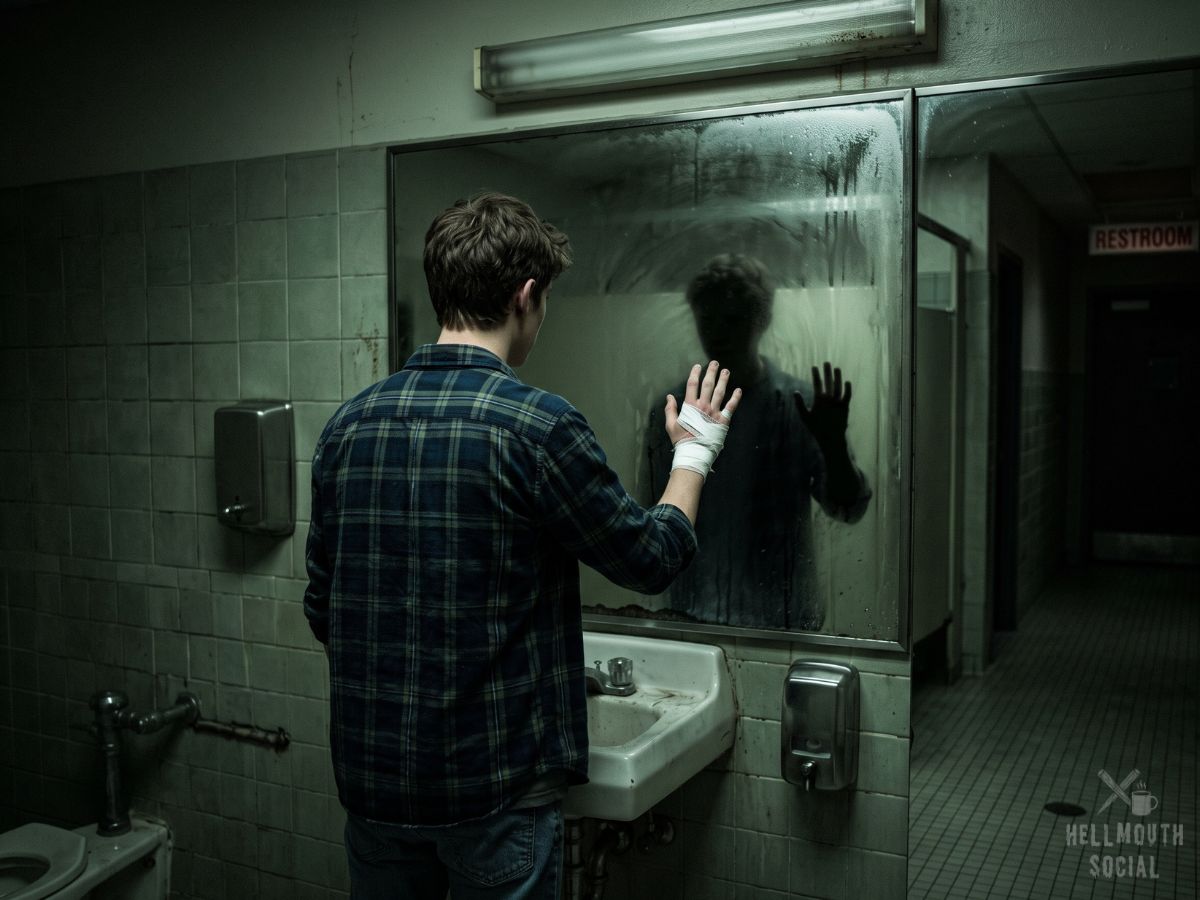
The season in one breath: The darkest one. A Nogitsune crawls inside Stiles and wears his face — the thing that looks exactly like you but is hollowing you out from the inside. Meanwhile Scott becomes something rare: a True Alpha, one who rises to power not by killing for it but through sheer force of character. And Allison dies, and we never recover, and neither does the show.
The archetype: This is the woman who fought the literal demon living in her own head and has the copay receipts to prove it. The Nogitsune is the 3 a.m. intrusive thought in a leather jacket. It's the version of you that wears your face to the school pickup line and tells you, in your own voice, that you're failing at everything. She went into the dark with that thing. She did The Work. The Work was expensive and unflattering and involved a lot of crying in a parked Honda.
And here's the True Alpha part: she didn't come out of it by overpowering anyone. She came out of it by becoming the person everyone now leans on — the steady one, the one who holds the group chat together, the one who got that way not through dominance but through being tested by her own mind and choosing, every day, not to become the worst thing inside her.
She contains multitudes. Several of them are on a medication that's finally working. She has made peace with it, and the truly unsettling part is that she might actually mean it.
You're this era if: you can say "I've made peace with it" out loud and your nervous system does not immediately file a dispute.

Season 4: The Sandwiched One
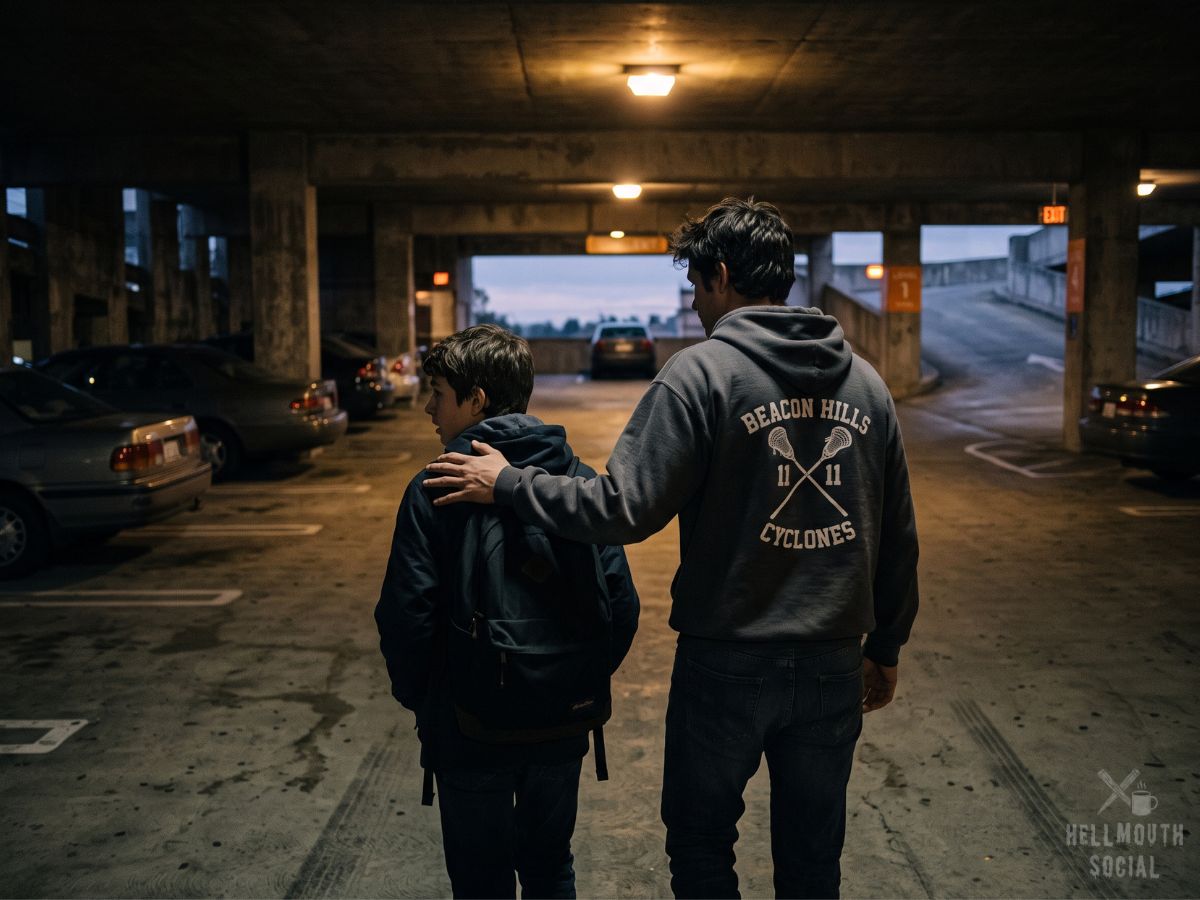
The season in one breath: The Benefactor releases a Deadpool — a literal list of supernatural names, each with a cash bounty, and suddenly everyone Scott loves is for sale. Money, threat, and chaos at once. Plus Scott now has Liam, his first bitten Beta: a feral teenager he did not plan for and is now responsible for keeping alive.
The archetype: The sandwich generation, rendered as a hit list. Everyone has your number and it is worth money. You are managing the household finances under active threat, you've got a hot-headed dependent who will absolutely die without supervision, and somewhere above you is an aging parent who also cannot work the TV remote and is, in his own way, also on the list.
Liam is whoever you're currently keeping alive against their will. Your teenager. Your new hire. Your dad's iPhone. The bounty on your head is real and it is still somehow less than your dental estimate, which you have been ignoring since March. You are not a hero in this season. You are middle management for an entire ecosystem that wants something from you, and your only superpower is that you have not yet sat down on the floor of the pantry and stayed there.
The hustle economy, but supernatural. Everyone's getting paid except you, and you're the one holding the assassins off.
You're this era if: your calendar is a hostage situation and you have come to identify, fully, with the hostage.
Season 5: The Great Unraveling
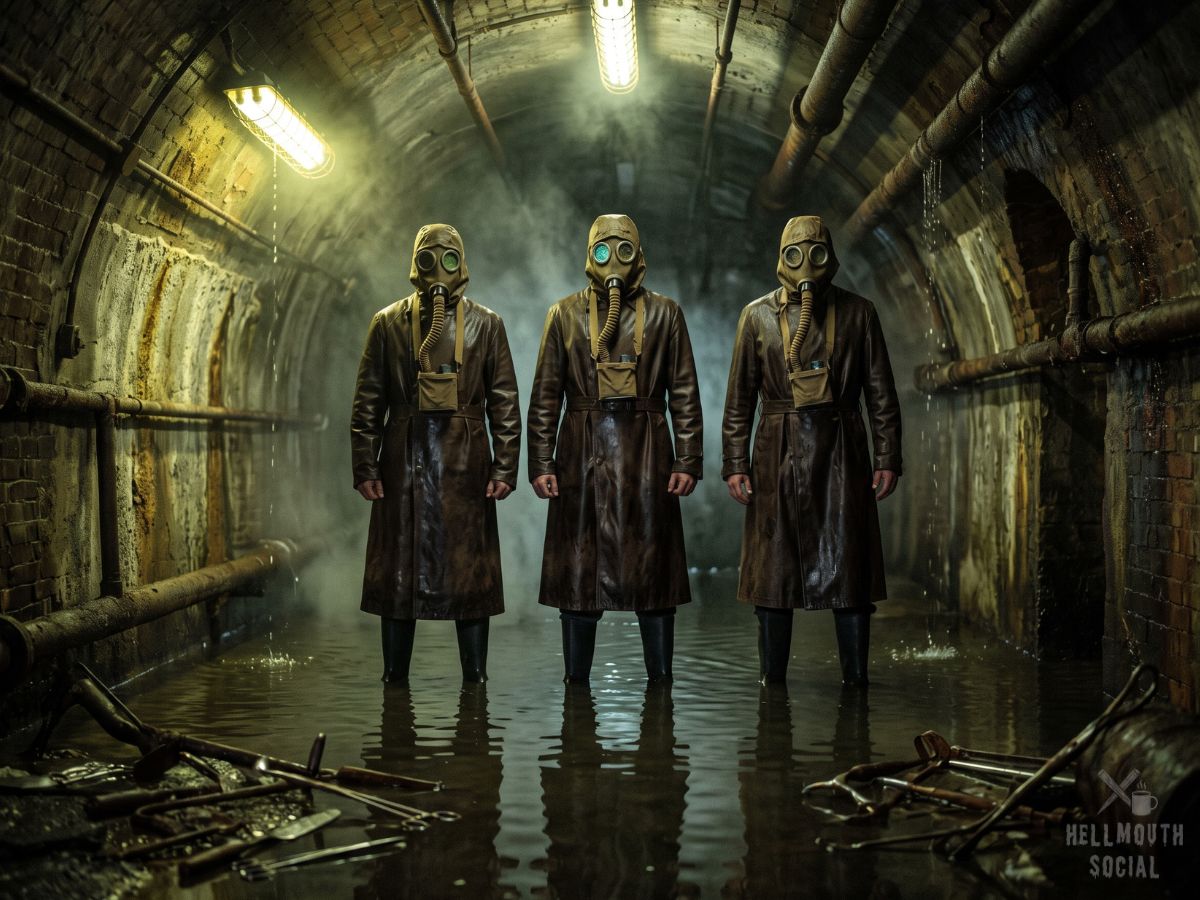
The season in one breath: The pack fractures. Scott and Stiles — the central love story of the entire show, romance be damned — have a falling out that genuinely devastates. Theo Raeken slithers in and makes everything worse on purpose. And in the background, the Dread Doctors are secretly experimenting on people's bodies, reassembling them into Chimeras without consent.
The archetype: This is the middle, where the thing you so carefully built starts cracking down the center. It's the friendship divorce — not a fight, just a slow continental drift with someone you'd have taken a bullet for. It's the burnout that doesn't announce itself, just quietly removes the floor. And the Dread Doctors? Three masked figures secretly rebuilding your body in the dark, swapping out parts, leaving you something you don't fully recognize in the mirror? That's perimenopause again, but this time with a steampunk aesthetic and a worse attitude.
There is also, in every Great Unraveling, a Theo. A guy named Theo. He worms into your already-fragile situation, presents beautifully, says all the right things, and is making it 40% worse while you're too depleted to notice. The Theo is real. You may be living next to a Theo right now. The first step is naming him.
You are holding it together with a vibe and one working group chat, and honestly, that's been enough so far.
You're this era if: something you built is coming apart, you're too tired to fully feel it yet, and there is a specific person whose name you say through your teeth.
Season 6: The Memory-Keeper
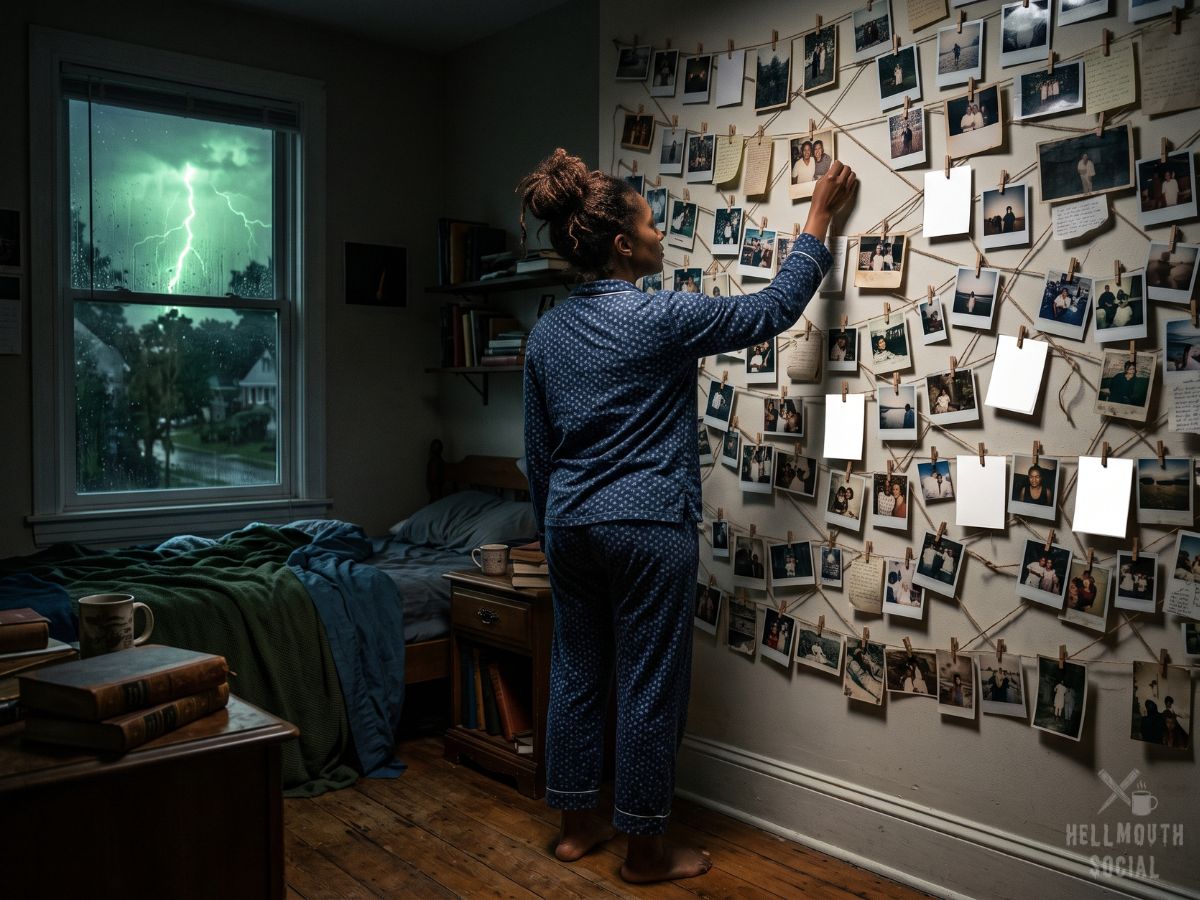
The season in one breath: The Ghost Riders ride in on the Wild Hunt and erase people from existence — not just gone, but unremembered, scrubbed from every photo and every mind. The pack has to fight to remember the people they love into being again. Then: graduation. The torch gets passed. Scott stops being a lone wolf and builds something bigger than himself for whoever comes next.
The archetype: This is the woman who's been through all five previous seasons — the late bloom, the rage, the demon, the hit list, the unraveling — and has come out the other side genuinely at peace. The empty-ish nest. The mentoring. The fighting to keep what matters from being quietly erased.
The Ghost Riders are, of course, also just your memory now. People are being deleted from existence and honestly, same — you forgot your own child's teacher's name at pickup last week and had to call her "you!" with great enthusiasm. You walk into rooms and the room takes your reason hostage. The terror of being forgotten and the relief of finally being unbothered are living in the same body, and you've stopped trying to evict either one.
But here's the grace of Season 6: she's not protecting herself anymore, she's protecting the next ones. She remembers people into existence. She holds the names. She's started saying "in my day" without irony, and she's decided to own it, because someone has to carry the whole story forward and it might as well be the woman who survived the entire series.
You're this era if: you've made peace with being a little forgotten, you're fiercely committed to remembering everyone else, and you've started narrating your life like a person who knows how the show ends.
So which woods got you?

Here's the thing I landed on, twelve episodes deep and emotionally compromised on my own couch: Beacon Hills was never really about werewolves. It was about waking up inside a body and a life that transformed without asking you first — and choosing your pack anyway, season after season, even when the writers killed off the one character you couldn't afford to lose.
You might be deep in your Season 2 villain era. You might be white-knuckling a Season 5 unraveling. You might be all six at once before 9 a.m., which is its own diagnosis. The point isn't to pick the prettiest era. It's to figure out which strategy adulthood actually bit into you — and then send this to the friend who is aggressively a Season 2 right now and needs to be told.
Take the quiz and confirm which Teen Wolf season is your Xennial personality. Be honest. The full moon already knows.