Comet Me, Bro: Why 2009 Stefan Salvatore Would Get Cancelled
How’s it goin’ my fellow survivors of the Low-Rise Jeans Era? I recently sat down to revisit the second episode of that show about the toothy brothers in Virginia, and I have thoughts. Many thoughts. Coming from an age where our biggest social anxiety was whether someone saw our "Invisible" status on MSN Messenger, watching the 2009 pilot-adjacent "The Night of the Comet" in the cold, hard light of 2026 is a trip.
We used to think Stefan was "sensitive" because he wrote in a journal. Today, we call that "maintaining a paper trail for the restraining order". Back then, we were just stoked to have a show that wasn't another procedural about a grumpy doctor.
Now, looking back through our progressive lenses (and our actual bifocals), the social dynamics of Mystic Falls feel like a fever dream of pre-cancel-culture chaos.
1. Boundary Issues and the "Soulmate" Delusion
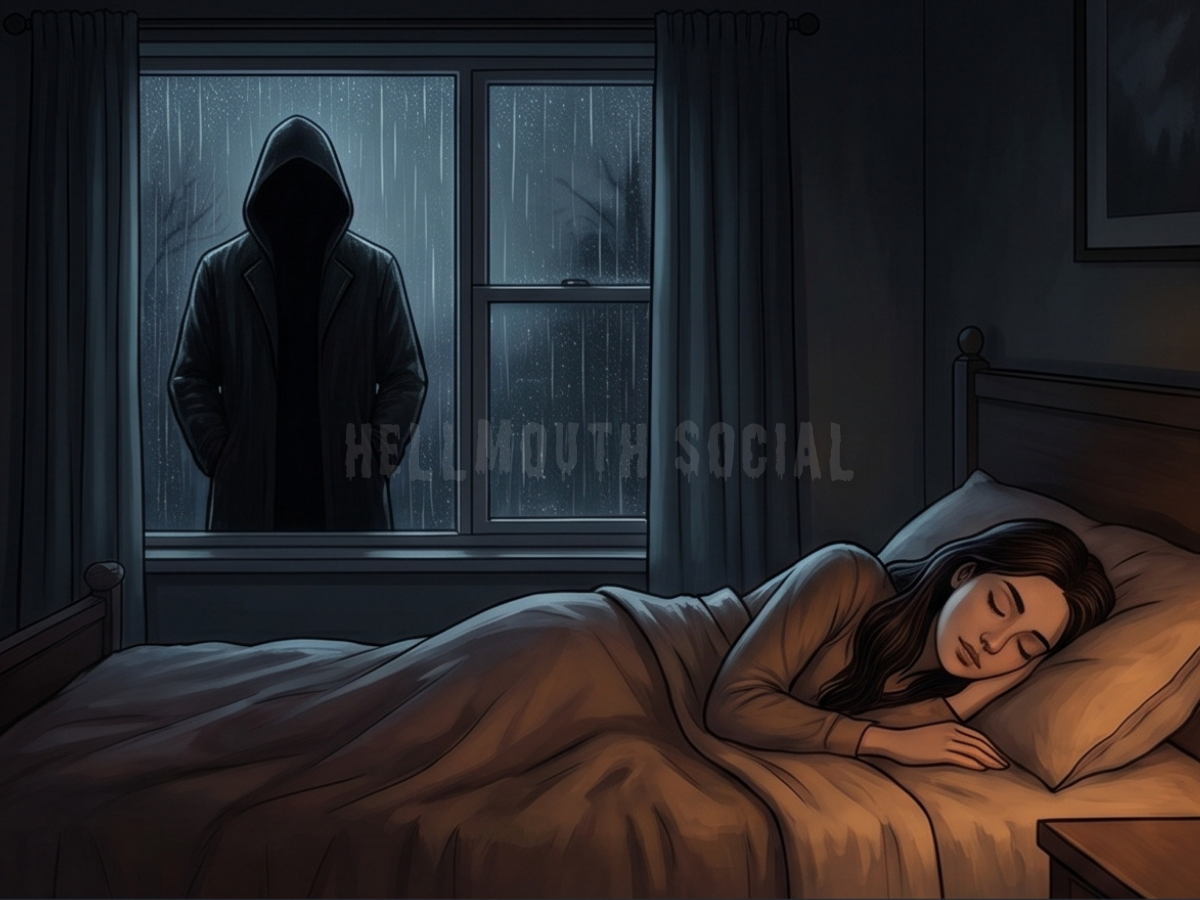
In this episode, Stefan spends a significant amount of time “accidentally” appearing in Elena’s personal space. In 2009, we called this "destiny". In 2026, we call this criminal trespass. Sociologically speaking, the mid-aughts were the peak of the Stalker-Romance Trope.
We were conditioned by pop culture to believe that if a guy watches you sleep or follows you to a bridge to "protect" you, he’s not a threat — he’s just deeply misunderstood.
Elena is grieving, which makes her the perfect candidate for what sociologists call High-Arousal Attachment. Her brain is soup from trauma, so when a guy with a brooding forehead shows up, she mistakes her fight-or-flight response for butterflies. We, the Xennials, ate this up because we were raised on movies where the guy wins the girl by wearing her down until her boundaries vanish.
Today, if a guy I just met showed up at my house during a celestial event without a "u up?" text, I’m calling the cops and posting his Ring camera footage to the neighborhood watch app.
2. The Great Sensory Overload of the 2000s Social Scene
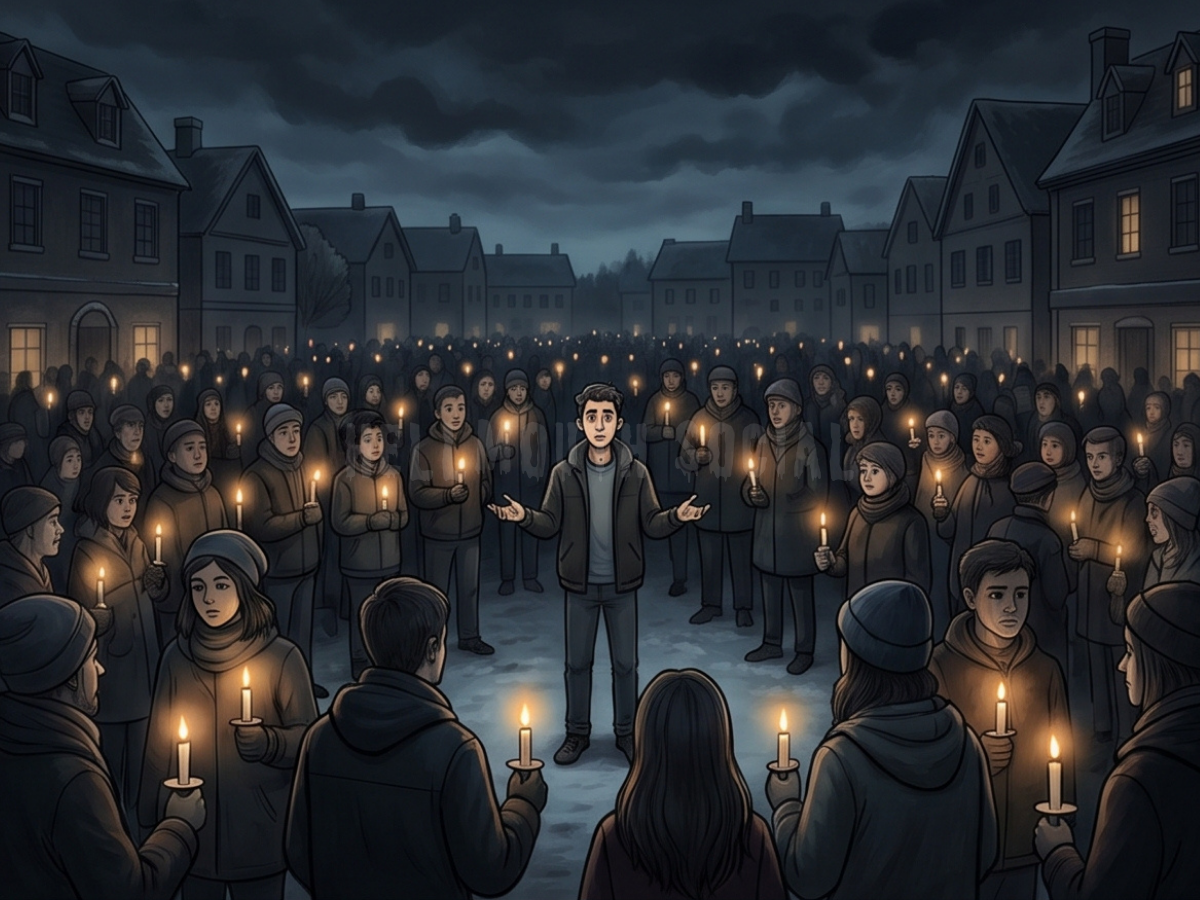
"The Night of the Comet" centers around a town heritage event. Remember those? Events where people actually looked at the sky instead of their screens? There is a scene where everyone is gathered with candles, waiting for a rock to fly through space. From a sociological perspective, this is a classic Collective Effervescence moment — a community coming together to experience something bigger than themselves.
But let’s be real: as Xennials, we’re looking at that crowd and thinking two things. First, "Where is the hand sanitizer?" and second, "How did they find each other without a pinned location?" The lack of smartphones in this episode is staggering.
People are just... wandering around? Hoping to bump into their crush? If Damon Salvatore tried his "mind control" tricks today, he’d be thwarted by the fact that everyone has their heads down looking at TikTok.
The social cohesion of a town like Mystic Falls relied on everyone being equally bored and uninformed. In 2026, we’re too polarized by algorithms to agree on a comet, let alone stand next to our neighbors for three hours without an argument about politics.
3. The "Bad Boy" vs. The "Nice Guy" Binary
Enter Damon. He’s the "Bad Boy" archetype that our generation was told we could "fix" if we just loved him hard enough. This episode introduces the classic Xennial conundrum: do you want the guy who writes poetry (Stefan) or the guy who might actually kill your mailman (Damon)?
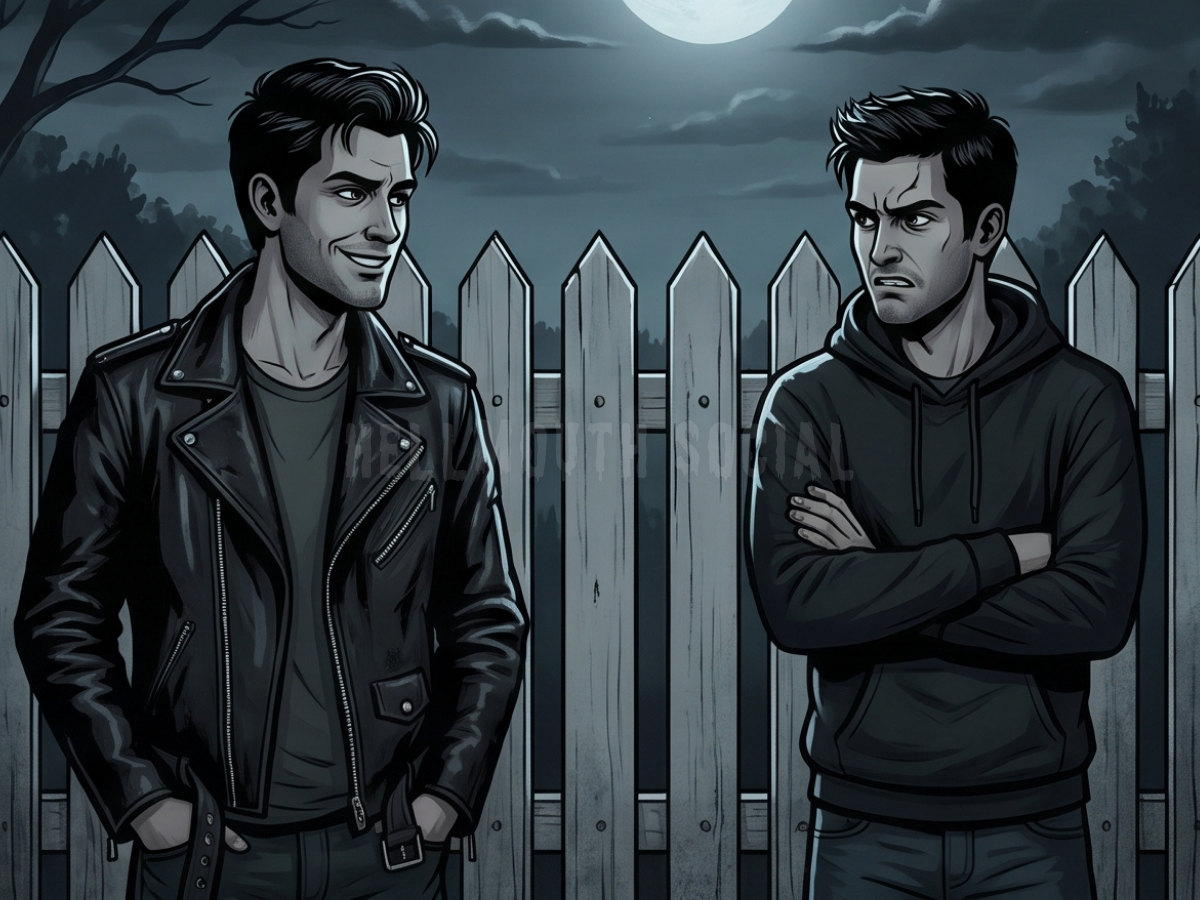
Modern sociology has given us terms like Dark Tetrad personality traits to describe Damon, but in 2009, he was just "edgy." We used to romanticize the toxic brother because he represented freedom from the stifling expectations of suburban life. Now that we’re in our 40s, we realize that "freedom" looks a lot like unmanaged personality disorders.
We’ve traded our obsession with the dangerous loner for a deep, abiding respect for men who go to therapy and have a 401(k). Watching Damon manipulate Caroline in this episode feels less like a sexy plot point and more like a giant red flag waving in a hurricane. We’ve moved from "I can change him" to "I can block him".
The Verdict: We Were All a Little Bit Vamped
Looking back at "The Night of the Comet", it’s clear that the real supernatural element wasn't the fangs — it was the social permissiveness of the era. We lived in a world where "mysterious" was a personality trait rather than a reason to run a background check.
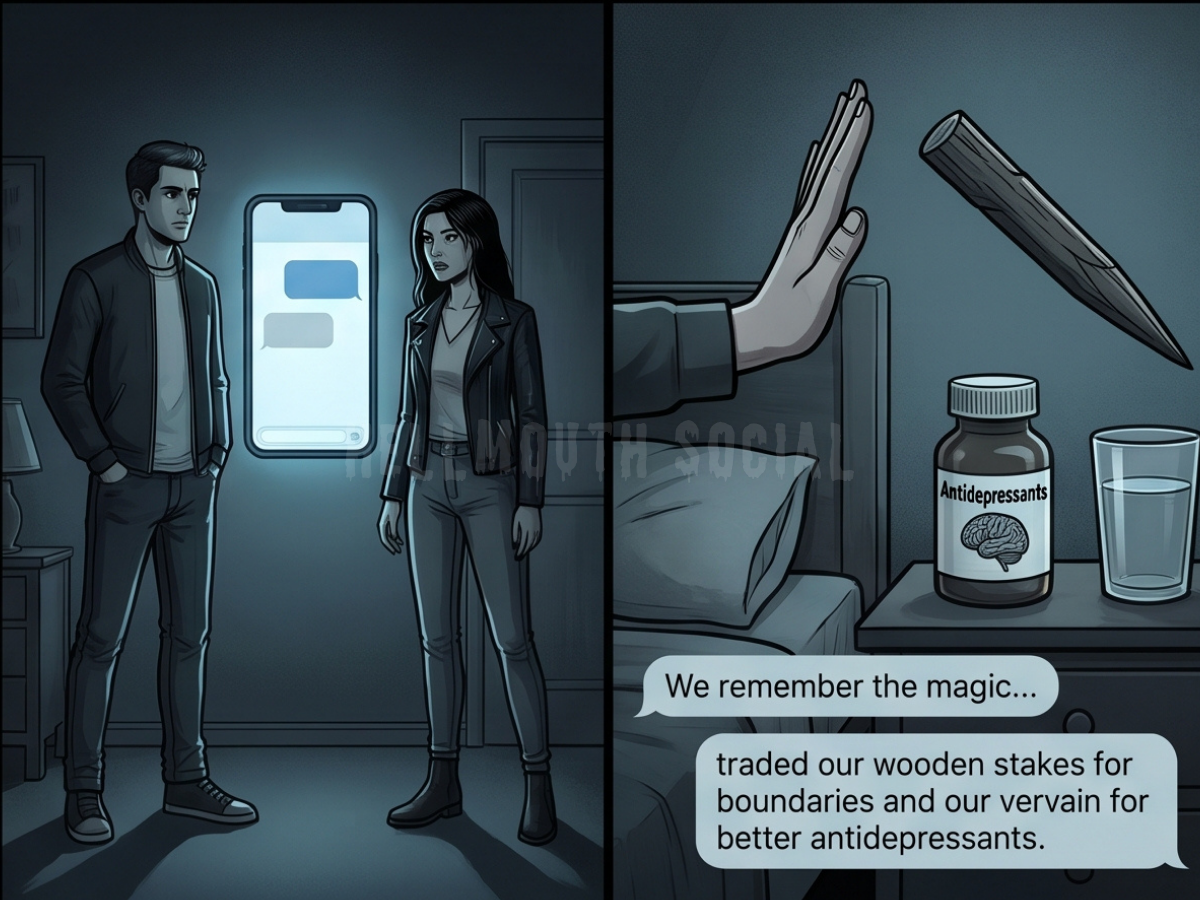
As Xennials, we occupy this weird middle ground. We remember the magic of gathering in a town square for a comet, but we’re also smart enough now to know that if a guy tells you "we have a connection", he’s probably just trying to bypass your firewall. We’ve traded our wooden stakes for boundaries and our vervain for better antidepressants. And honestly? We’re probably safer for it.
If you had to choose between a 2009 "Soulmate" and a 2026 "Emotionally Available Adult", which one are you taking (and why is it the one with the health insurance)?