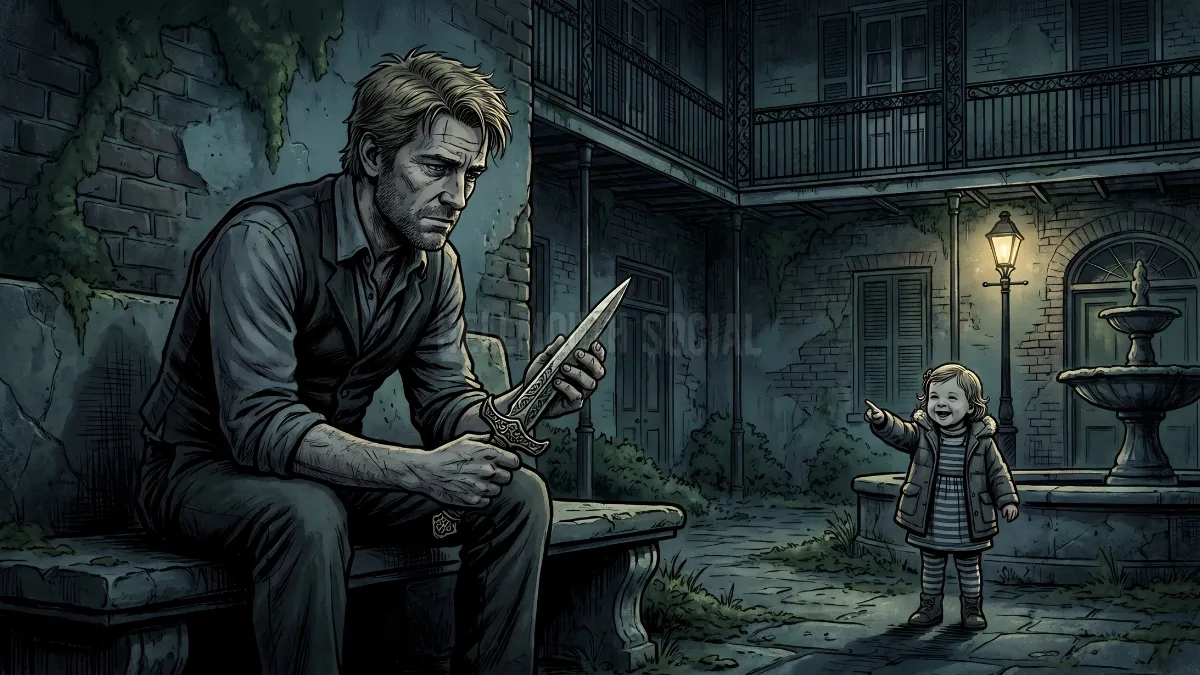
Family Values, 1,000 Years of Grudges, and Better Wi-Fi
Listen, I know we’re all currently occupied with the high-stakes drama of whether or not our air fryers are giving us forever chemicals but let’s take a trip back to 2013. Remember that? We were still unironically using the word "swag", and the CW decided to give the most toxic family in history their own spin-off. I’m talking about The Originals pilot, "Always and Forever".

As someone who has spent way too much time analyzing why humans (and vampires) insist on making the same mistakes for a millennium — re-watching this episode in 2026 is a trip. Back then, we viewed Klaus Mikaelson’s daddy issues as "moody and aesthetic". Now, as Xennials who are basically the Sandwich Generation between aging Boomers and chaotic Gen Alpha, we look at Klaus and think: “Buddy, have you tried Lexapro and a boundaries workshop?”
1. The Ultimate Corporate Takeover: New Orleans Edition
In the pilot, Klaus returns to New Orleans to find his former protégé, Marcel, running the city. Marcel has done what any ambitious millennial in 2013 dreamed of: he built a vibrant ecosystem (aka a dictatorship), monetized the nightlife, and managed to keep the regulatory bodies (aka the witches) completely under his thumb.
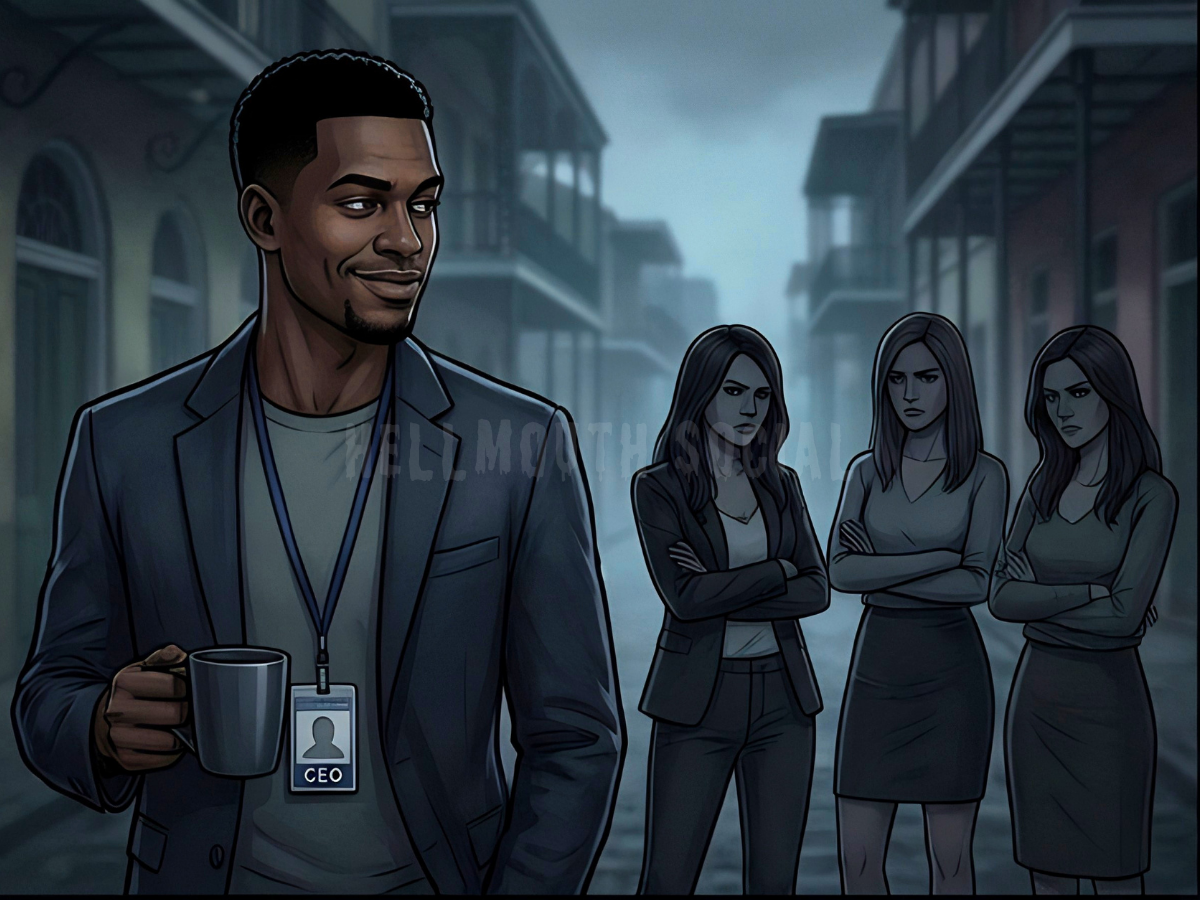
From a sociological perspective, this is peak 2010s hustle culture. Marcel is the guy who read The 4-Hour Workweek and actually made it work by murdering anyone who disagreed. He’s got the secret sauce, the "rules", and the charisma. Then Klaus walks in — the quintessential disgruntled former founder who thinks he’s entitled to the CEO chair just because his name is on the building.
Watching this as a 40-something today, the power struggle hits different. We’ve all seen that one "Legacy Hire" or the "Old Guard" executive who comes back from a three-year sabbatical (or a decade of being daggered in a coffin) and expects everyone to care about how things were done in 1998. Klaus is the kind of guy who insists we use a fax machine in a world of Slack integrations. He wants his "kingdom" back, but he hasn't realized that the culture has moved on. The "Always and Forever" vow isn't a beautiful promise; it’s a non-compete clause from hell.
2. Miracle Pregnancies and Mid-Life Crisis Logistics
The central hook of the pilot is the miracle baby. Hayley is pregnant with a hybrid child, and suddenly the invincible, mass-murdering Klaus is faced with the one thing every Xennial fears more than a sudden drop in their credit score: Responsibility.
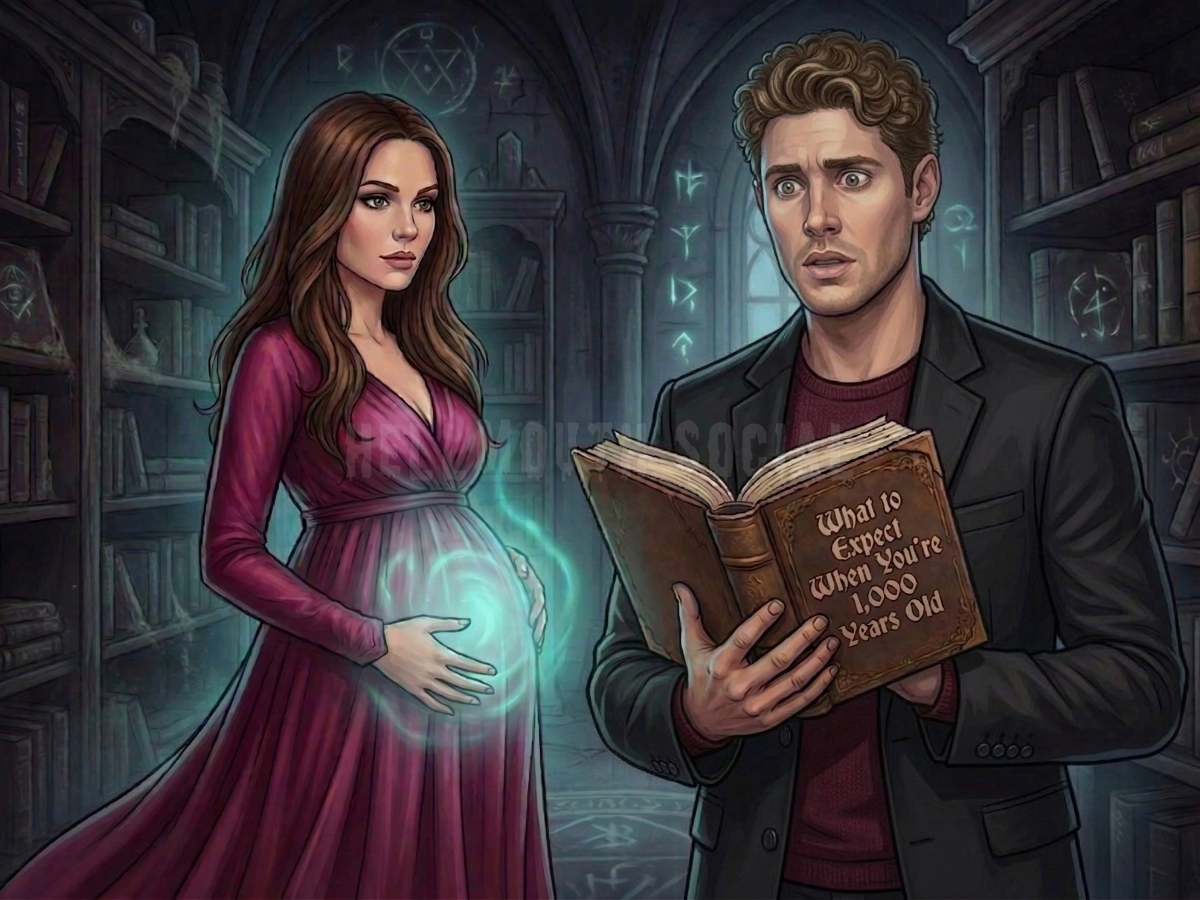
Back in 2013, we were probably thinking, "Oh, how romantic, a child to redeem his soul!" Now, in our 40s, we’re looking at the logistics. Where is the nursery going to go in a damp New Orleans compound? Does the French Quarter have a decent school district, or is it all just jazz and public hexes? What’s the insurance premium on a child whose father is a marked man by every supernatural creature on the planet?
Sociologically, the "Miracle Baby" trope represents the ultimate disruption of the bachelor ego. Klaus has spent centuries being the protagonist of his own tragedy. Now, he’s a supporting character in a nursery rhyme. Elijah, the "responsible" brother (who we all know is just the guy who handles the HR complaints for his brother’s outbursts), tries to use this baby as a moral compass.
It’s the classic "having a kid will fix him" trope, which — as any of us who have lived through a divorce or a difficult family Thanksgiving knows — is the biggest lie since "the internet will bring us all together."
3. The Sunk Cost Fallacy of "Family First"
Elijah Mikaelson is the patron saint of the "I can fix him" Xennials. He spends the entire pilot trying to convince Klaus that they can be a family again. He talks about "Always and Forever" with the kind of sincerity usually reserved for TED Talks or people selling essential oils.
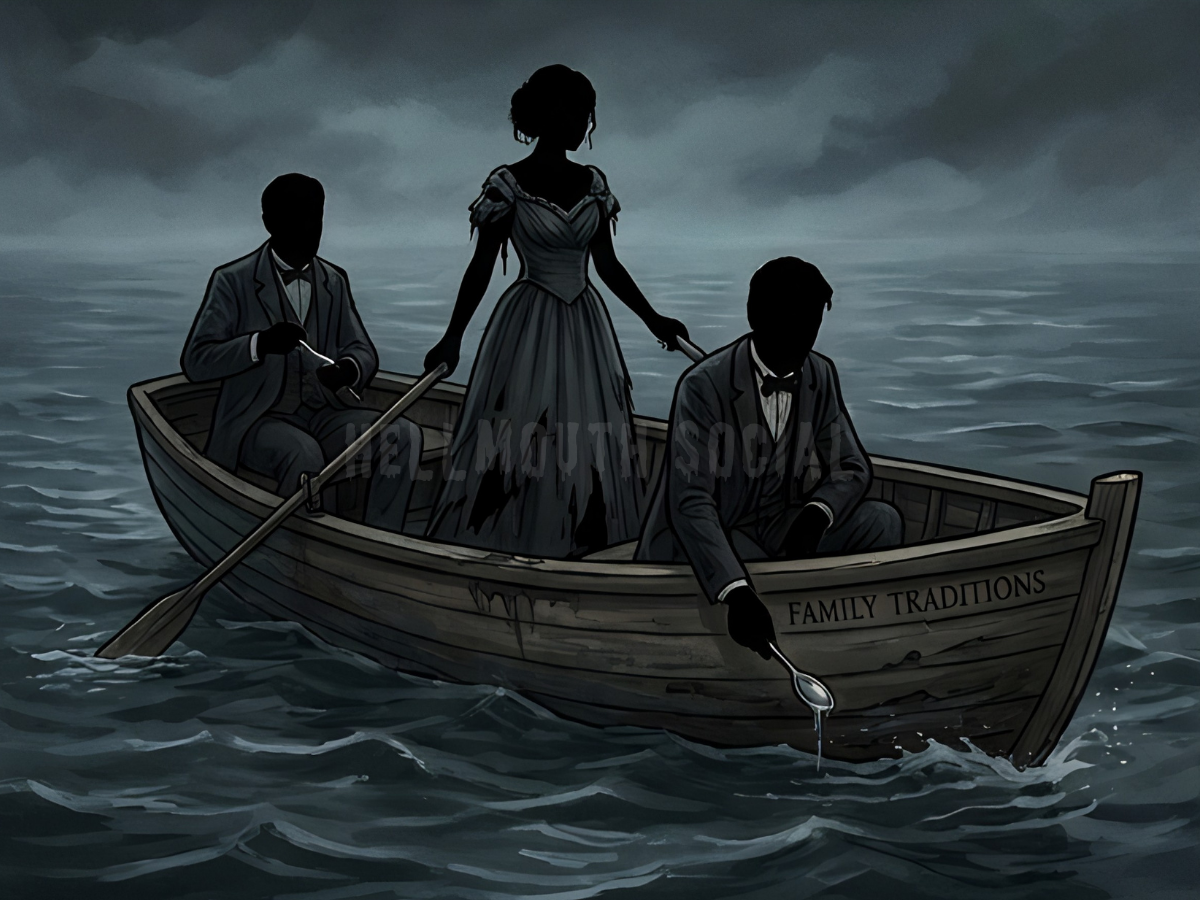
But let’s look at the data. The Mikaelsons have been family first for a millennium, and it has resulted in:
Countless burned-down villages.
Zero successful long-term relationships.
A literal trail of bodies.
In sociology, we call this a Dysfunctional Feedback Loop. As 40-somethings, we’ve learned the hard way that sometimes you have to go "low contact" with the toxic people in your life, even if they share your DNA (or your ancient bloodline). Elijah’s obsession with Klaus’s redemption is the 2013 version of thinking you can change your toxic workplace from the inside. Spoiler alert: You can’t. You just end up with a high-end suit covered in someone else's blood and a massive amount of burnout.
The pilot sets up a world where "loyalty" is the only currency, but it’s a currency that’s been hyper-inflated to the point of worthlessness. They keep saying "Family is power", but from where I'm sitting on my ergonomic office chair, family looks a lot like a group of people who really need to discover the wonders of individual therapy.
Conclusion: The Horror of Being Seen
We love The Originals because it’s a heightened, blood-soaked version of our own mid-life realizations. We are all Klaus, stubbornly clinging to our "glory days". We are all Elijah, trying to keep the peace between people who haven't spoken in years. And we are all Hayley, wondering how we ended up in a room full of people who are significantly more dramatic than a PTA meeting on a Tuesday night.
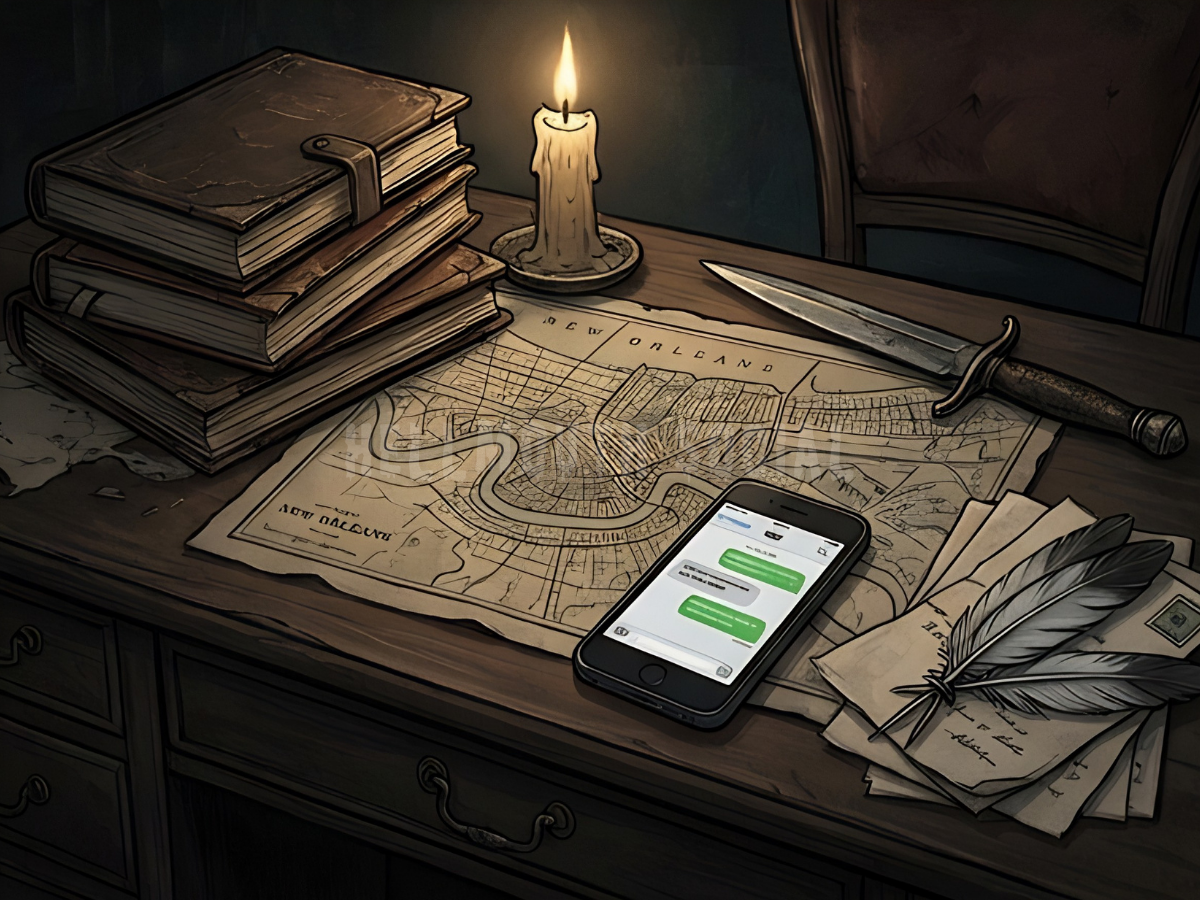
The pilot of "Always and Forever" isn't just about vampires; it’s about the terrifying realization that you can live for a thousand years and still have no idea how to talk to your siblings without someone getting stabbed. It’s a reminder that while the tech changes — from carrier pigeons to iPhones — the human (and vampire) condition remains a hot mess of ego, longing, and the desperate need for a place to call home.
So, here’s to the Mikaelsons. May they continue to be the cautionary tale that makes our own family drama look like a peaceful Sunday brunch. Now, if you’ll excuse me, I have to go check if my "Always and Forever" vow to my gym membership is still legally binding.
Does the idea of a "fresh start" in a city full of your old enemies sound like a fun Friday night, or does it just sound like a LinkedIn notification you’d rather ignore?