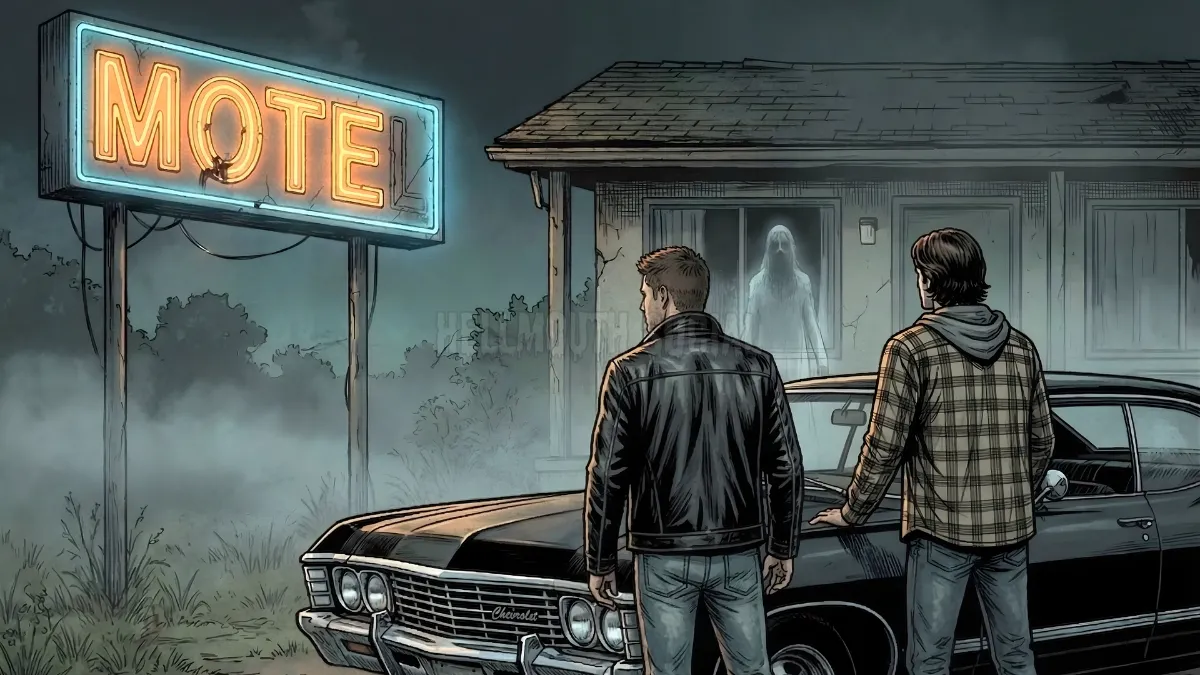
Flannels, Phantoms, and the Death of the Flip Phone Era
Listen, fellow survivors of the Low-Rise Jean Era. I recently revisited the 2005 premiere of a certain show about two brothers hunting things that go bump in the night, and let me tell you, the real supernatural phenomenon isn't the ghosts — it’s the fact that we used to navigate the world with nothing but a folded paper map and a prayer.
As a sociologist who spends way too much time overanalyzing pop culture, watching the "Pilot" in 2026 feels like looking at a prehistoric cave painting. It was a time when texting cost ten cents a message and our greatest fear wasn't the economy collapsing, but accidentally hitting the "internet" button on our flip phones and panicking about the data charges. Let’s dive into why this pilot episode is a perfect time capsule of our Xennial mid-twenties.
1. The Great "Work-Life Balance" Lie of the Mid-Aughts
In the premiere, we meet the younger brother, Sam, who is living the dream we were all sold: he’s at a prestigious university, he’s got the smart girlfriend, and he’s headed for a high-paying legal career. He’s the poster child for the hustle culture we embraced before we realized it just leads to burnout and a passion for sourdough starters.
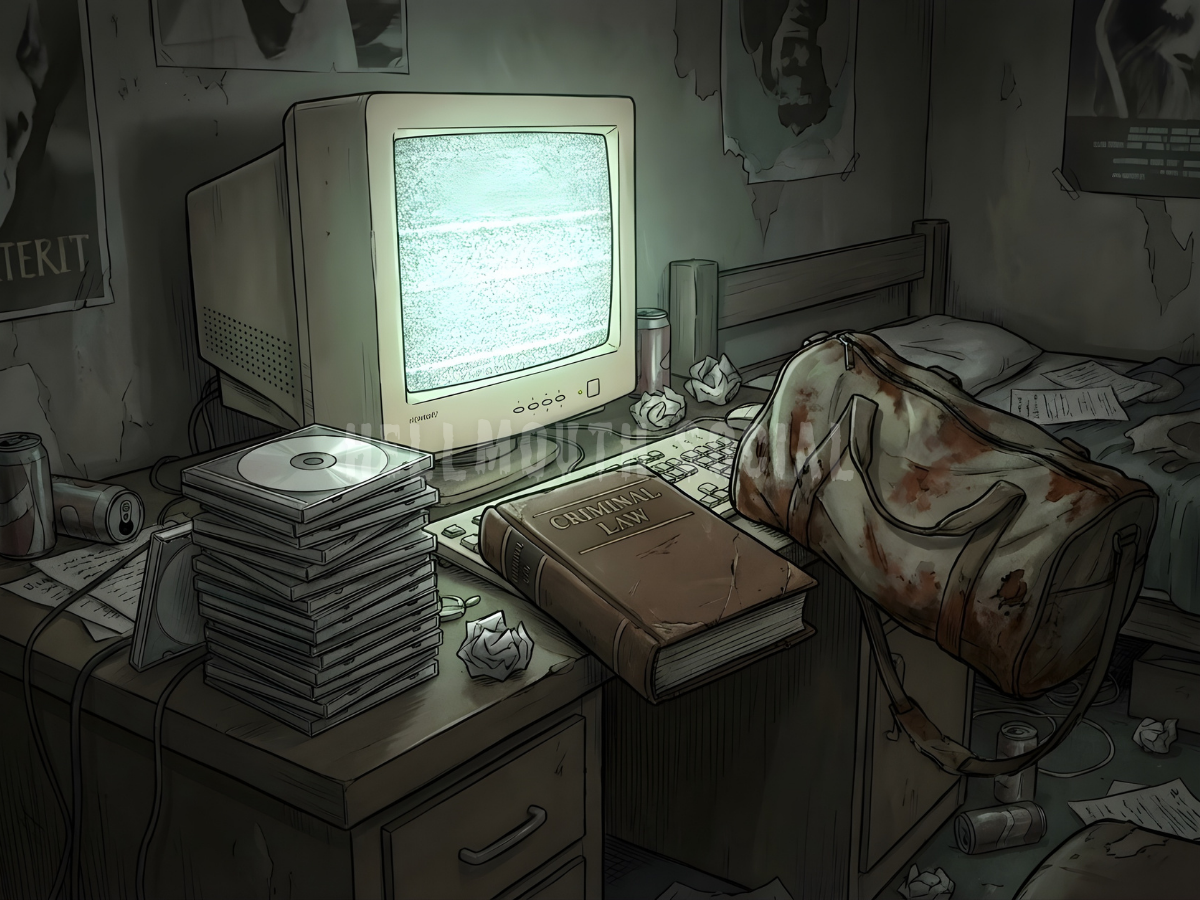
Then, his brother rolls up in a muscle car and says, "Forget the LSATs, we have a family business to attend to". From a sociological lens, this is the ultimate Xennial tension. We were the last generation told that if we just checked all the boxes, we’d be safe. The show immediately disrupts that.
It posits that no matter how many responsible choices you make, your past (and your weird family) will eventually show up at 3:00 AM to ruin your sleep schedule. Now that we’re in our 40s, we know the "family business" usually just means managing the group chat or explaining to our parents how to reset their router, but the existential dread remains the same.
2. Masculinity: Leather Jackets vs. Emotional Literacy
The dynamic between the older brother, the leather-clad renegade, and the younger, sensitive student is a masterclass in mid-2000s masculinity. Back then, sharing your feelings was something you only did if you were the lead singer of an emo band. The older brother embodies the "Suck It Up" school of thought, where every trauma is repressed under a layer of classic rock and engine grease.
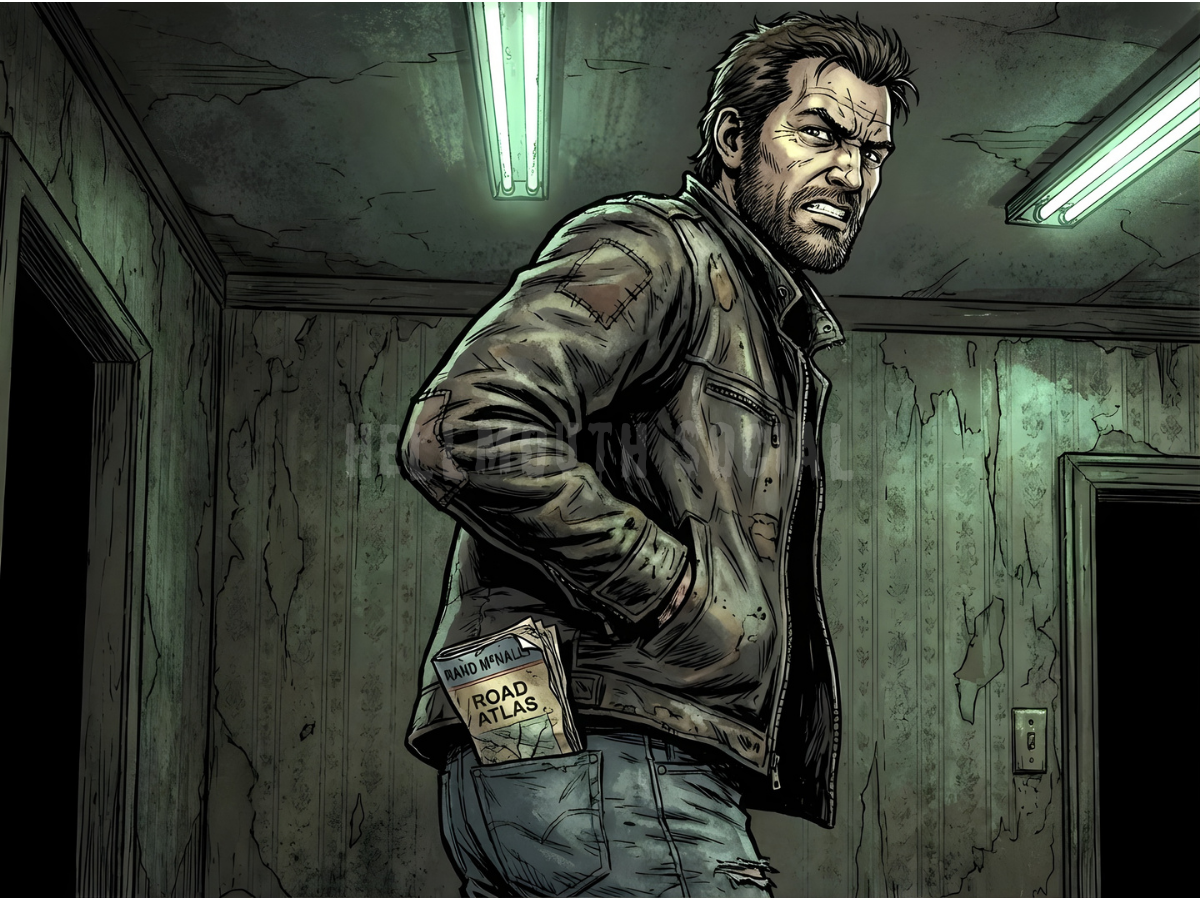
Watching this now, it’s hilarious to see them struggle to communicate. They have the emotional vocabulary of a lukewarm latte. As 40-somethings, we’ve spent the last decade in therapy learning about boundaries and "holding space", but in 2005? You just punched a spirit in the face and drove away.
There’s a nostalgic comfort in that simplicity, even if we now know that repressed baggage eventually weighs more than a trunk full of silver stakes. Also, can we talk about the fashion? The layers of oversized flannel! They were dressed for a hike in the woods, yet they spent half the episode in a library. It was a confusing time for aesthetics.
3. Technology Was the Real Villain (and the Hero)
The most shocking part of the "Pilot" isn't the woman in white; it’s the lack of Google Maps. These men are solving a missing person case using library archives and microfilm. Remember microfilm? That dizzying scroll that made you feel like you were traveling through time?
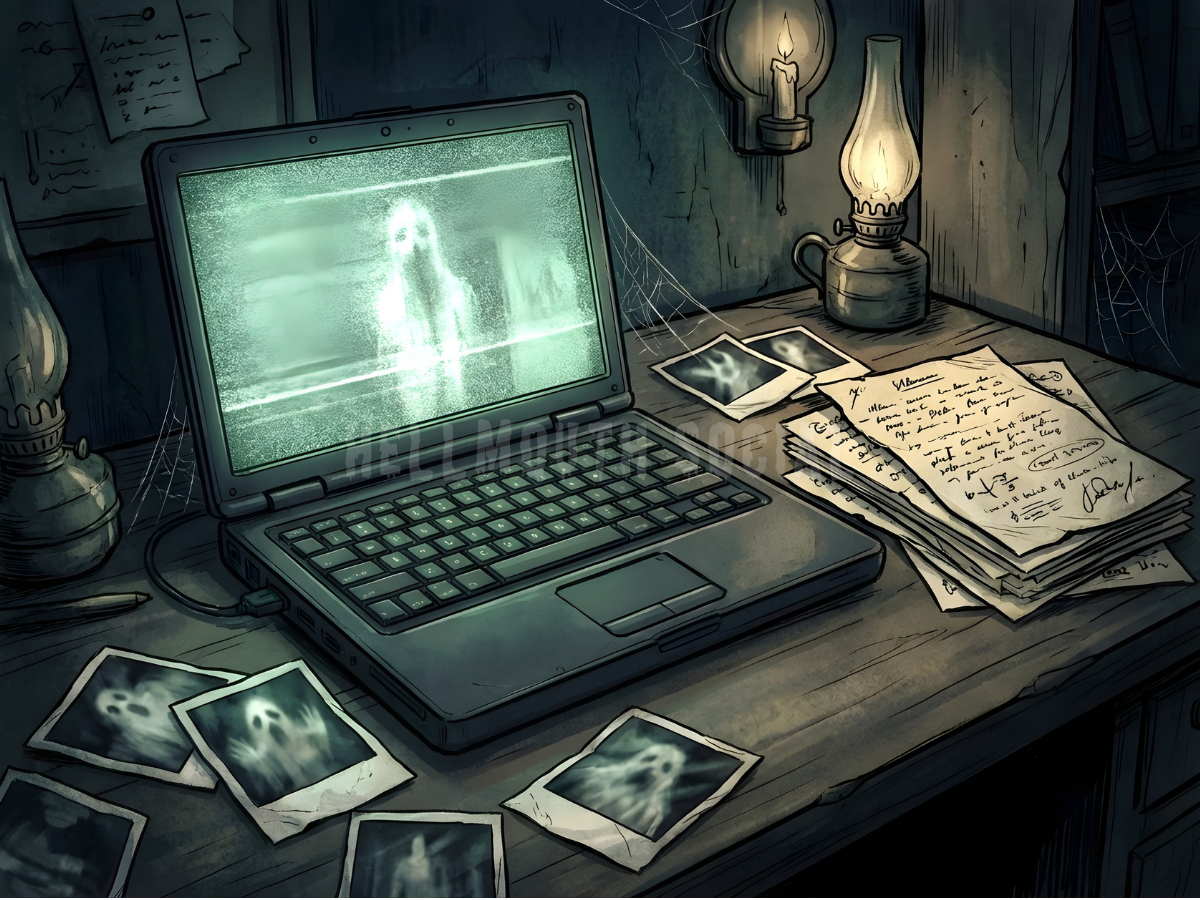
In 2005, the world was still big. You could actually disappear. Today, if a ghost tried to haunt a bridge, there would be forty TikToks of it within the hour, a Reddit megathread debunking the lighting, and an AI-generated song featuring the ghost’s moans. The "Pilot" captures that specific window of history where we had the internet, but it wasn't in our pockets yet. We still had to talk to strangers at diners to get information.
The sociological third place was alive and well, even if it was a creepy roadside bar where everyone looked like they belonged in a horror movie. For us Xennials, this episode triggers a phantom limb syndrome for our old analog skills — like being able to read a map without a British voice telling us to "recalculate."
The Verdict: Was the Past Just a Ghost?
As we sit here in 2026, probably wearing blue-light glasses and wondering if we should take another magnesium supplement, the premiere of this show serves as a reminder of who we used to be. We were Sam, trying to outrun our origins with a degree and a sensible haircut. We were the older brother, pretending we didn't need anyone while blasting classic rock to drown out the silence.
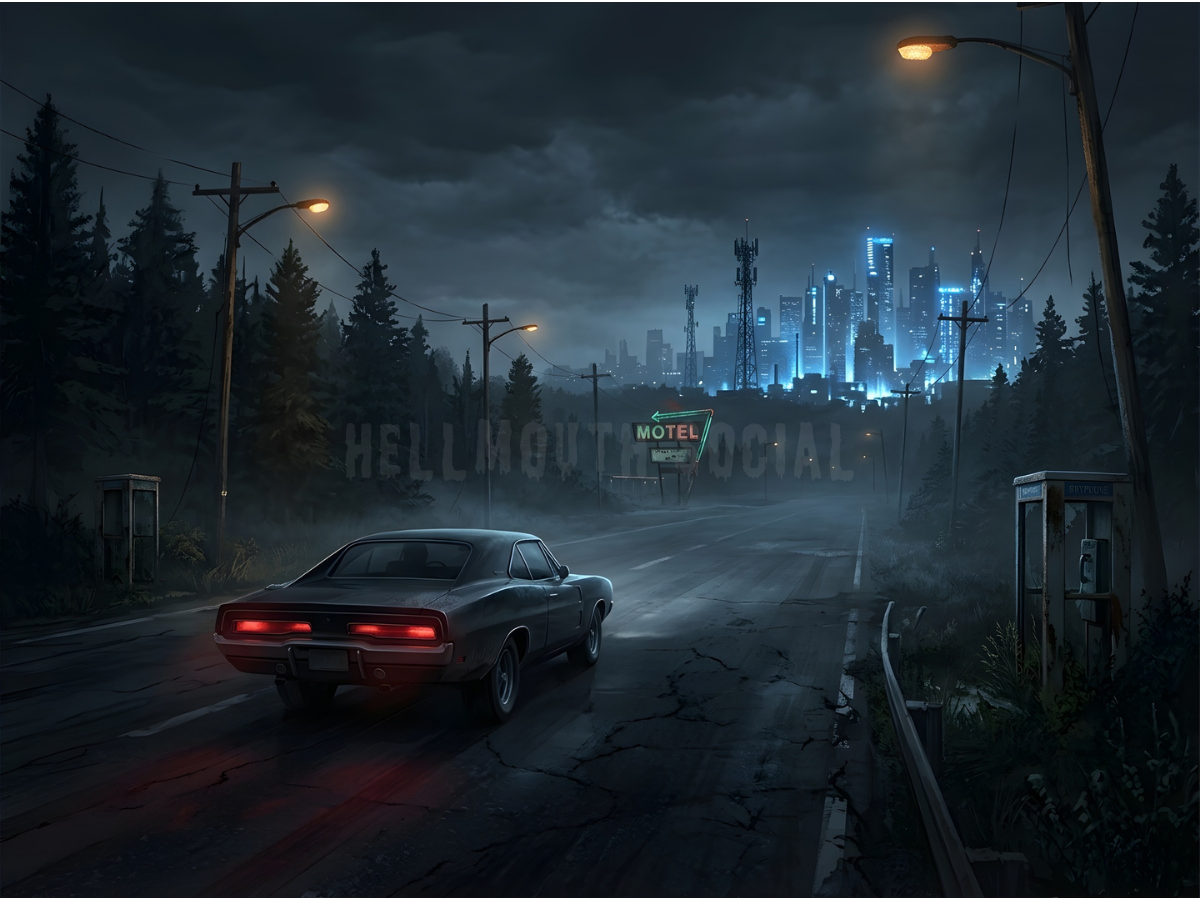
The episode concludes with a tragedy that forces the brothers onto the road, symbolizing the end of "normalcy". For our generation, that transition happened more slowly — the shift from the analog world of our childhood to the hyper-digital chaos of our middle age. We’re all just driving that metaphorical muscle car down a dark highway, hoping we have enough gas to make it to the next motel and that we don't run into any literal or figurative ghosts from 2005.
Tell me, do you miss the era of "no service" zones, or are you quite happy being able to find a gluten-free bakery in the middle of nowhere using your watch?