The Burden of the Reluctant Supernatural Gatekeeper
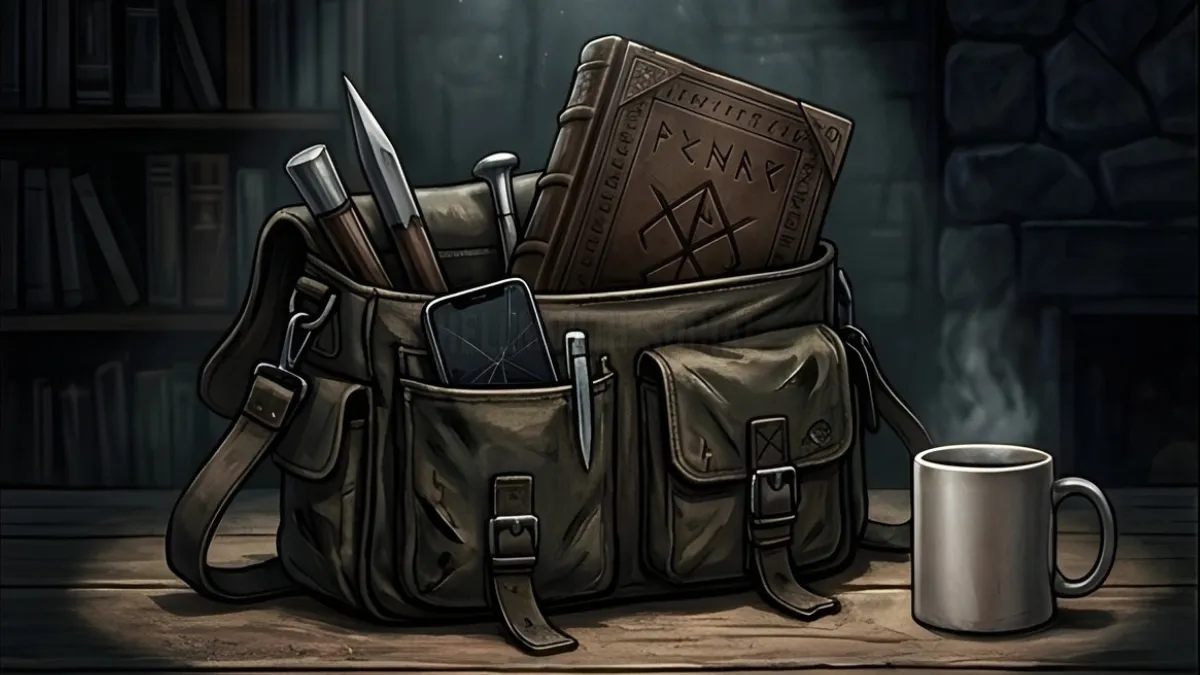
We were promised a paperless office and a peaceful retirement. Instead, we got a trunk full of rock salt and the realization that the 'adults in charge' are just three demons in a trench coat. Welcome to the Xennial middle-management of the apocalypse.
The Unsolicited Promotion
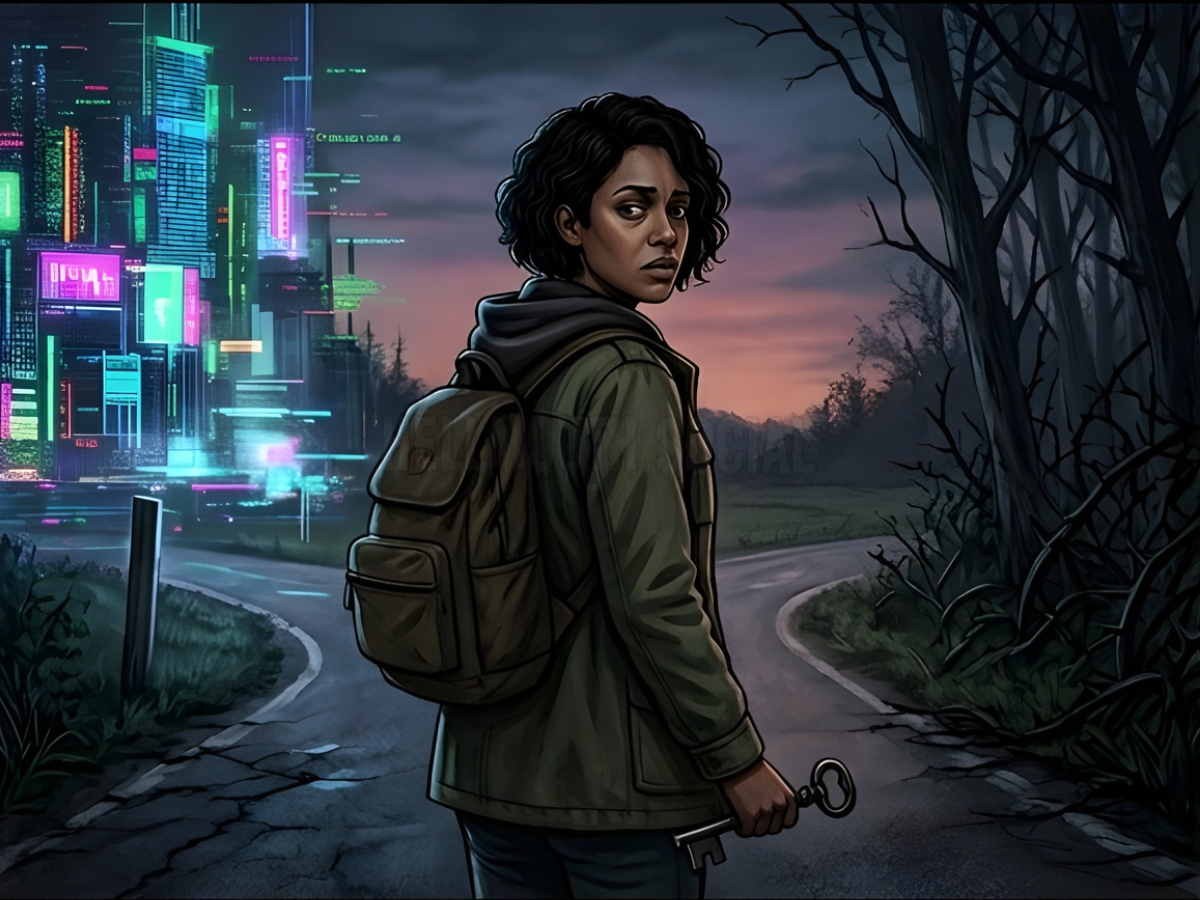
There is a very specific brand of exhaustion that comes with being the last generation to know how to use a card catalog but the first to have to explain to our parents that the vampire virus isn't a glitch in their iPad. This is the essence of the Reluctant Gatekeeper. We are the demographic middle-children of history, standing on the crumbling bridge between the analog legends of our youth and the digital nightmare of our present.
We don’t hunt monsters because we want to be heroes; we do it because we looked around, realized the experts were busy arguing on Twitter, and sighed as we reached for the silver-plated machete.
The shows that define this specific brand of dread — Supernatural, Grimm, The Strain, and Forever Knight — aren’t just late-night escapism. They are grim sociological case studies in institutional failure. They tell the story of what happens when the social safety net doesn't just fray, but snaps entirely.
Whether it’s a precinct that can’t see the Wesen in the mugshot or a CDC that’s too bogged down in red tape to notice a parasitic apocalypse, these stories mirror our own Xennial reality: a world where "The System" has checked out, leaving a few burnt-out individuals to hold the line with nothing but a library card and a healthy amount of dark humor.
We are the unofficial night shift of humanity — unpaid, unappreciated, and wondering when, exactly, "saving the world" became a mandatory part of our job description.
The Institutional Collapse (Sociology 101)
If the 90s taught us anything, it’s that the authorities are usually the last people you want to call during a crisis. We grew up watching the X-Files and learning that the government isn't just hiding the truth — they’re probably the ones who forgot to lock the door to the lab in the first place.
In the world of the Reluctant Gatekeeper, institutions aren't just useless; they are a literal liability. Take The Strain. Dr. Ephraim Goodweather is a high-ranking CDC official, yet he spends half the apocalypse screaming into a void of red tape and political optics while a parasitic vampire plague turns New York into a buffet.
It’s a sociological nightmare: a system so obsessed with its own survival that it treats a literal monster as a public relations hurdle.
Then there’s Grimm, where Nick Burkhardt quickly realizes that his police badge is essentially a fancy piece of tin when he’s staring down a Siegbarste. The Portland PD is great for filing paperwork on a stolen bike, but they have zero protocol for a Wesen blood feud.
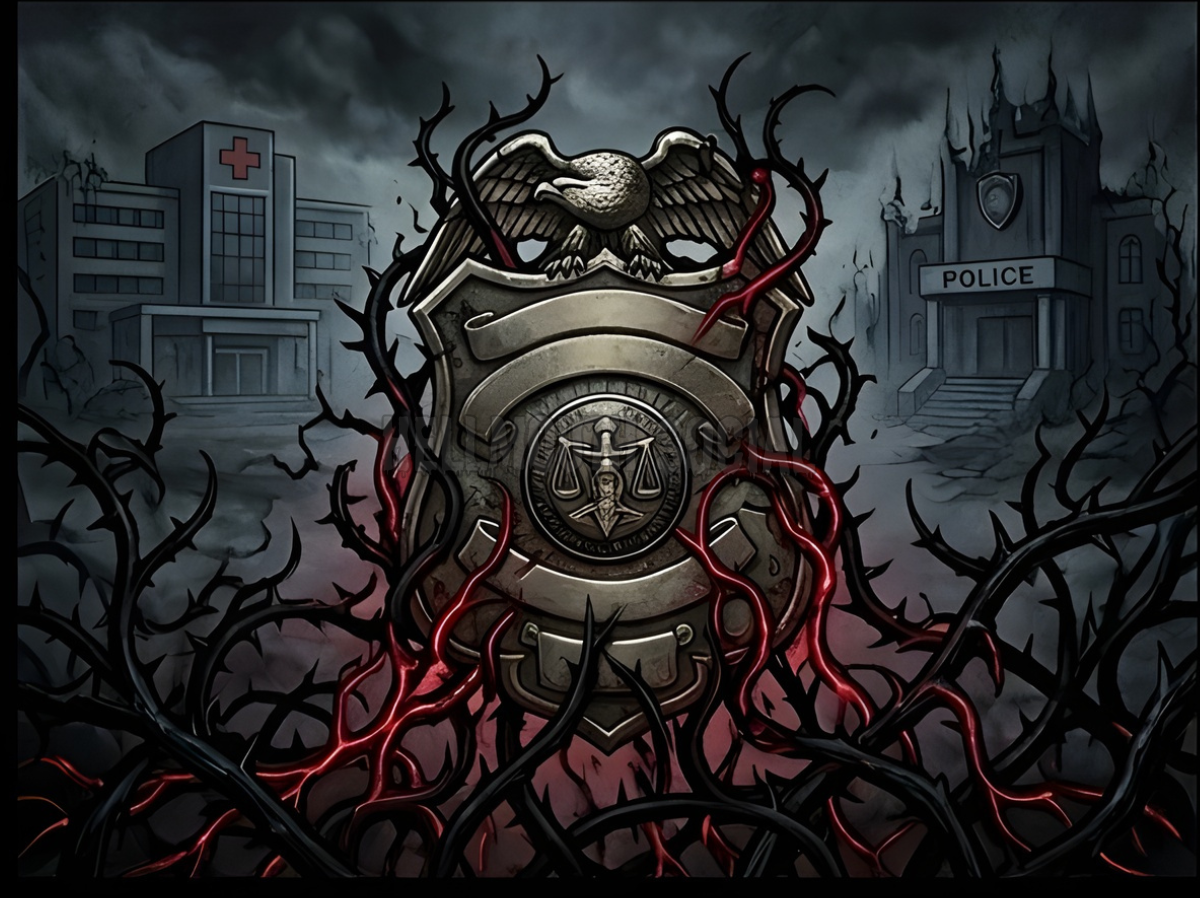
This is the ultimate Xennial trigger. We are the generation of "If you want it done right, do it yourself". Our DIY ethos was born out of a healthy, punk-rock skepticism of official narratives. We know that when the stakes are high, the safety net is usually just a suggestion. We don’t wait for the cavalry anymore because we finally realized — through years of watching institutions fumbling the ball — that we are the cavalry. And frankly, we’re doing it with much better hair and a significantly higher success rate.
The Curse of Knowing (The Mental Load)
There is a specific kind of gaslighting that comes with being a Xennial. We’re the generation that remembers when the internet was a place you went to rather than a haunt that followed you, and that transition has left us as the permanent designated drivers for a society that has collective amnesia. In the world of the Gatekeeper, this is a full-blown psychological tax.
Take Forever Knight. Nick Knight’s "eternal night shift" isn't just a clever play on his vampirism; it’s a literal metaphor for the isolation of knowing too much. He’s solving crimes while carrying the weight of centuries, living in a world where he can’t exactly tell his partner, "Hey, I solved the case because I recognize the killer's scent from a plague-ridden village in 1204". It’s the ultimate mental load — holding the truth while everyone else enjoys their brunch in blissful, sunny ignorance.
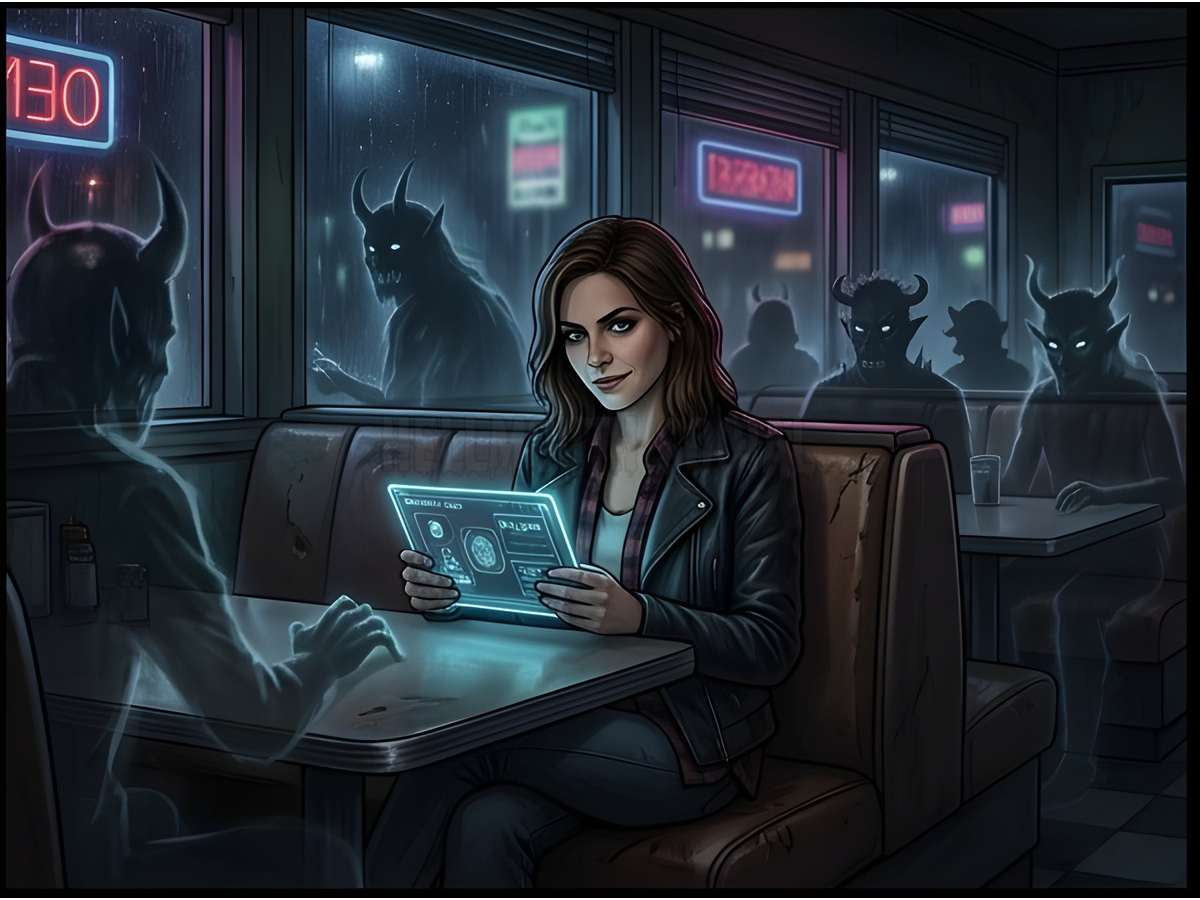
Then we have early-season Supernatural, which perfectly captures the uncompensated labor aspect of the Gatekeeper role. Sam and Dean are out there "saving people and hunting things" for a grand total of zero dollars and a mountain of credit card debt. It’s a job that costs you every normal relationship, every holiday dinner, and any hope of a 401(k). You’re the hero, sure, but you’re a hero who has to steal your own dinner and sleep in motels that smell like industrial-grade cleaner and regret.
For us, this hits home. We’re often the ones in our friend groups or offices who see the glitch in the Matrix first — the shift in the culture, the tech that’s going to break, the red flags in the official plan. We carry the burden of the "In-Between". We know how the old world worked and we see exactly how the new one is broken, but we still have to show up for the Zoom call and pretend we don't see the metaphorical Strigoi in the room. It’s exhausting, it’s isolating, and it’s why we’re all so tired.
Tactical Nostalgia vs. Modern Chaos
There’s a reason why the protagonists of our favorite shows aren’t fighting demons with an iPhone app. When the world starts to rot, silicon fails, but leather-bound journals and hand-carved wood remain reliable. We call this Tactical Nostalgia: the realization that ancient evil requires ancient, analog solutions.
In Supernatural, the most powerful weapon in the brothers' arsenal is John Winchester’s diary — a messy, coffee-stained collection of handwritten notes and newspaper clippings. Similarly, in Grimm, Nick’s most sacred space is a literal trailer filled with dusty scrolls and medieval weaponry. These characters aren't looking for trending topics; they’re looking for the physical, heavy truth that survived for centuries before the cloud existed. It’s Low-Tech vs. High-Evil", and in a world where your smart fridge can be hacked, there is something deeply comforting about a weapon that doesn't require a firmware update.
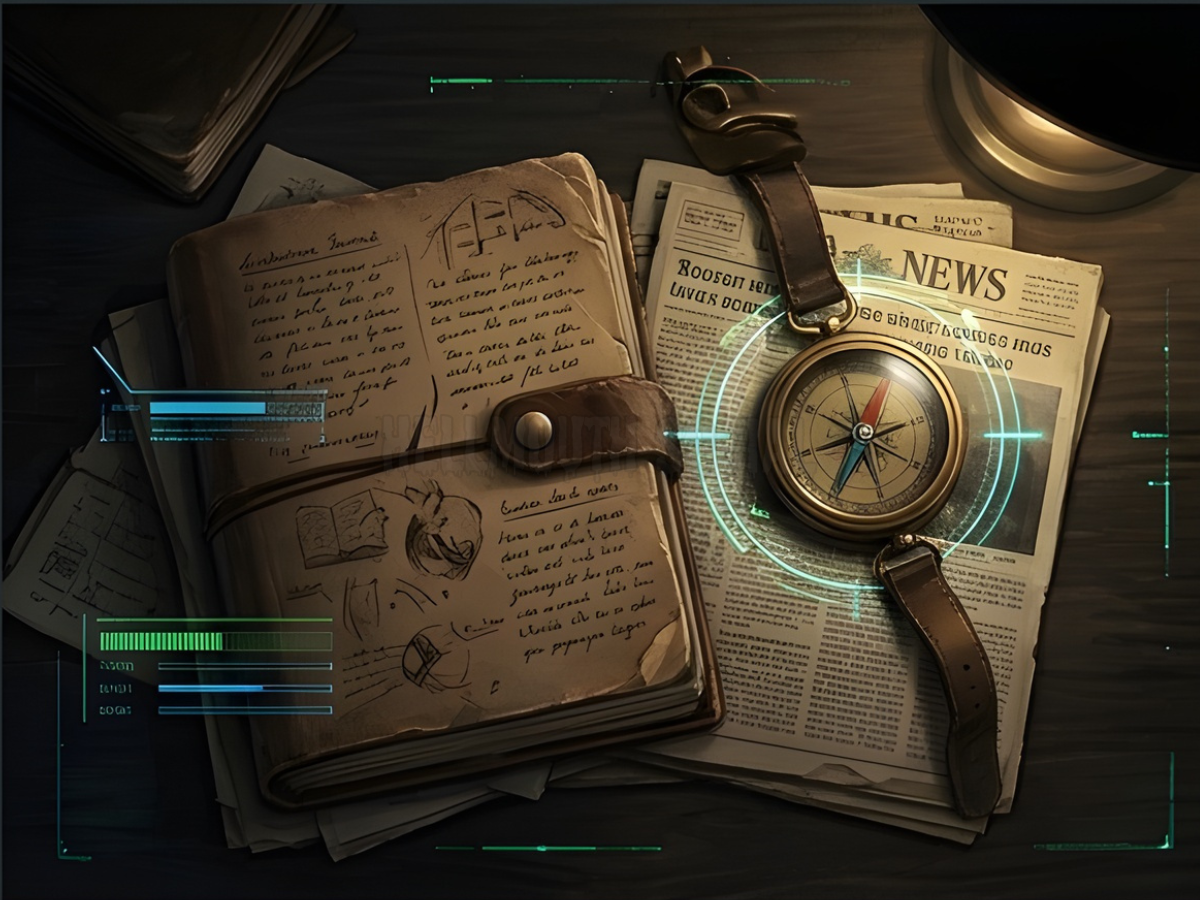
This resonates with the Xennial soul because we are the last generation that knows how to find information without an algorithm. We remember the Dewey Decimal System. We know how to navigate a physical map when the GPS dies. We are the "Primary Researchers of the Occult" because we don't just trust the first page of Google results — we know that the real answers are usually buried in the basement of a library or a forgotten shoebox in the attic.
While the younger generations are waiting for a notification to tell them what to do, we’re the ones reaching for the physical stakes. We understand that while the chaos of the modern world is digital, the consequences are very much analog. If the apocalypse comes, we won't be scrolling for a solution; we’ll be checking the indexes of our old-school journals, thankful that we never threw away our ability to read cursive or find a book without a search bar.
Conclusion: Closing the Gate (For Now)
At the end of the day — or the end of the literal century, if you’re Nick Knight — being a Reluctant Gatekeeper isn’t about the glory. There are no parades for the guy who stopped a Strigoi outbreak in a Queens subway tunnel, and there’s definitely no LinkedIn badge for "Successfully Prevented the Apocalypse via Rock Salt".
It’s a thankless, gritty, middle-management slog. It’s about the stubborn Xennial refusal to let the world go to hell on our watch, even if we’re doing it while nursing a lower back injury and wondering if we left the stove on.
We keep the lights on for one more night not because we’re the chosen ones, but because we’re the only ones who remember where the fuse box is located.
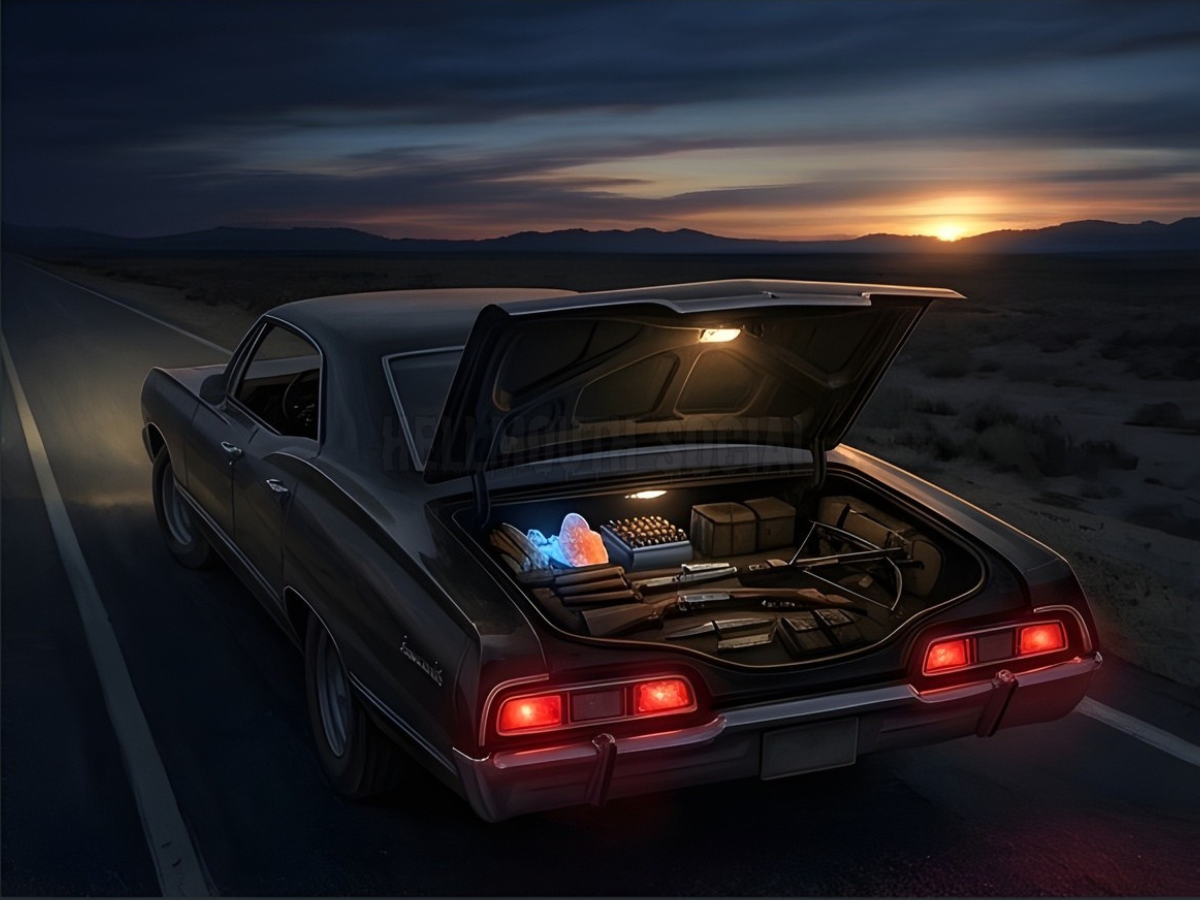
It’s a heavy burden, sure. It’s isolating, it’s expensive, and it involves way more manual labor than our guidance counselors promised us in 1996. But if we have to stand at the edge of the abyss and tell the darkness to back off, at least we’re doing it with a sense of style that hasn't been seen since the Clinton administration. The world might be ending, but between the classic rock roaring out of the Impala and the moody, gothic synth of a Toronto vampire club, at least we have the best soundtracks for the collapse of civilization.
Coming Up Soon...
Before we get too deep into the sociology of modern dread, we need to go back to where the road trip really started — to a time of questionable fashion choices and even more questionable technology. Join me next time as we crack open the trunk of a '67 Impala to revisit the flannel, the phantoms, and the glorious clunkiness of the flip-phone era in Supernatural Season 1, Episode 1: "Pilot".