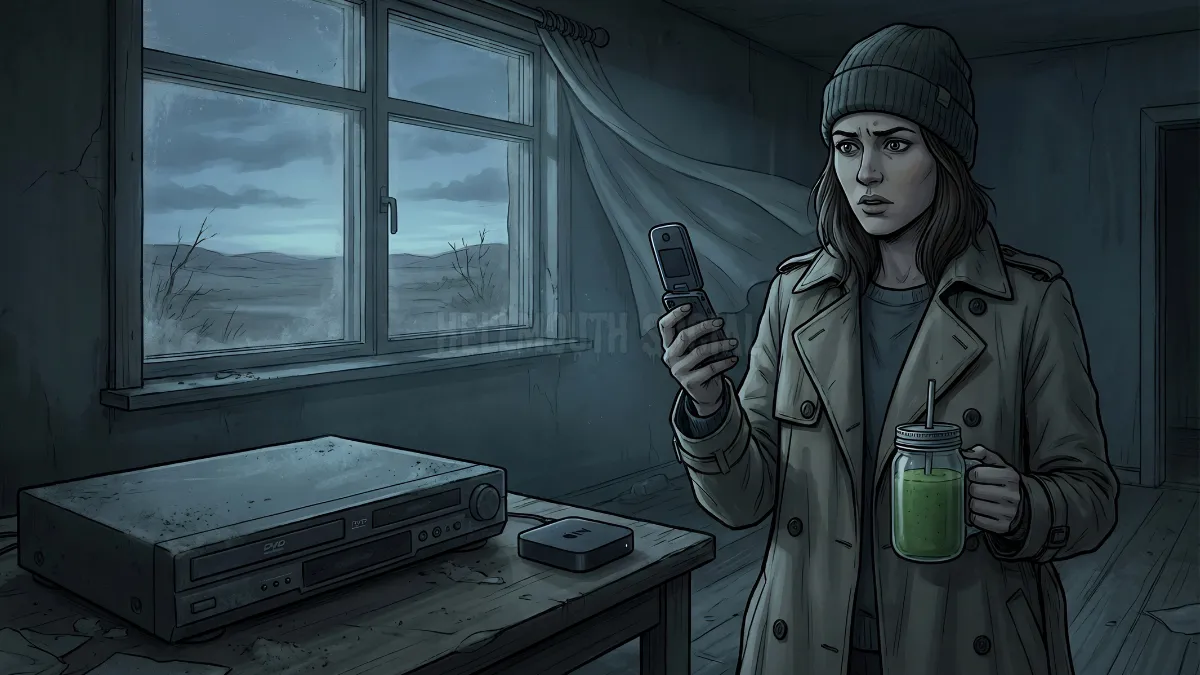
Hemlock Grove: Where Our 2013 Angst Met Netflix’s Puberty
Welcome back to the digital basement, fellow travelers of the Oregon Trail generation. Remember 2013? We were all vibrating with the collective anxiety of the post-recession era, trying to figure out if Instagram was for photos of our actual lunch or just filters that made our lives look like a fading polaroid from 1974. It was the year Netflix decided to stop being the "red envelope in the mail" company and start being the "we’re going to fund weird, gothic fever dreams" company. Enter Hemlock Grove.

I recently re-watched the pilot, "Jellyfish in the Sky", and let me tell you, it hits different when you’re staring down the barrel of middle age. Back then, we were the target demographic for moody, beautiful monsters. Now? I’m just wondering who is paying the property taxes on those giant Pennsylvania mansions and why no one is wearing a sensible cardigan in that damp climate.
1. The Death of the Steel Mill and the Birth of the Side Hustle
The pilot opens on a town that’s seen better days — Hemlock Grove, Pennsylvania. It’s a classic "Company Town" in its death throes. The Godfrey family owns everything, including the creepy White Tower medical facility that looks like a giant concrete middle finger to the local blue-collar workers.
In 2013, we were still processing the collapse of the American manufacturing dream. Sociologically, this episode is a time capsule of Class Friction 101. You have the Godfey elite living in a house that definitely has a room just for different types of salt, and then you have Peter Rumancek, the newcomer living in a trailer on the edge of town.
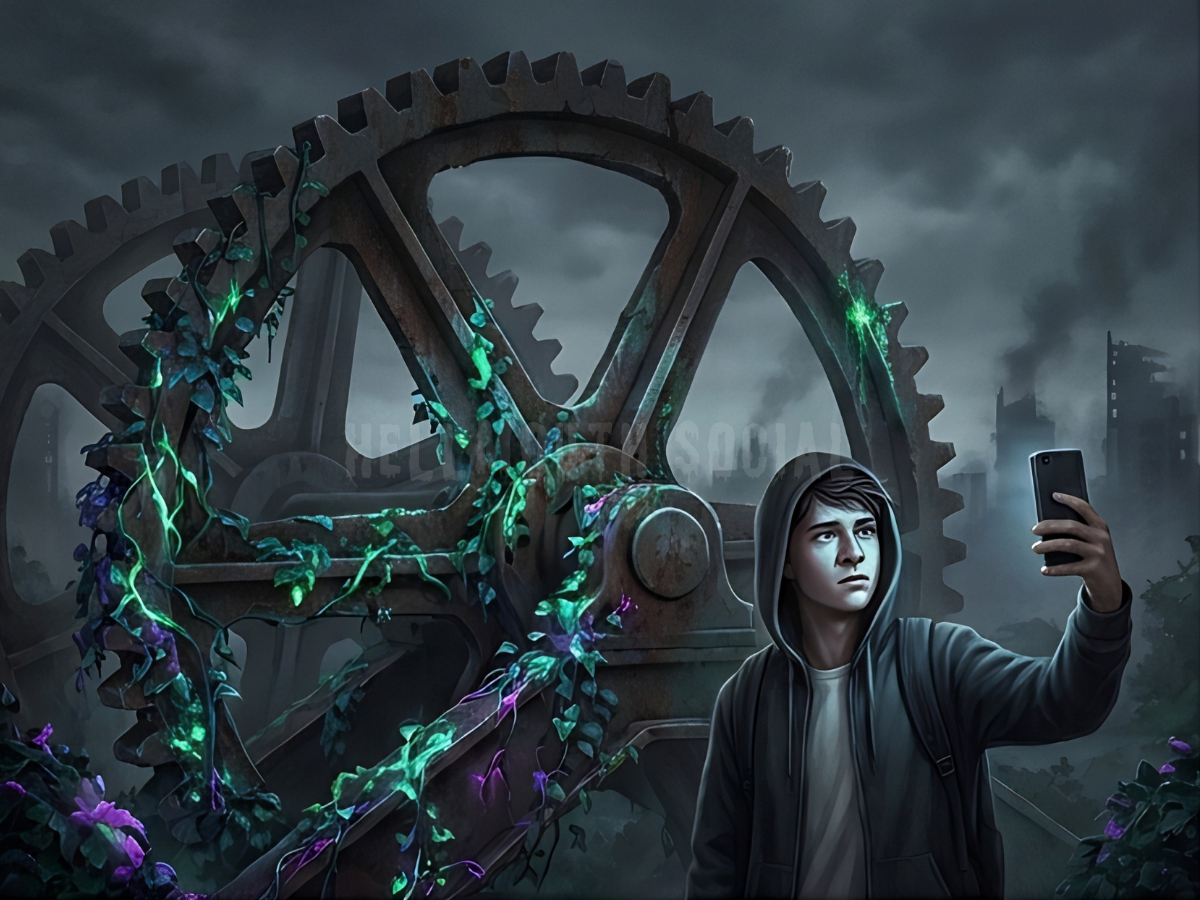
Back then, the divide was about who had the factory job and who owned the factory. Today, we’re all just gigging our way to the grave. Watching Roman Godfrey drive around in a car that costs more than my first two houses combined while Peter is accused of being a vampire or werewolf just because he’s poor and ethnic feels incredibly on the nose. In 2013, we called it "gothic mystery". In 2026, we call it "aggressive gentrification with a side of supernatural profiling".
The "jellyfish in the sky" of the title refers to the dream-like, floating hallucinations of Roman’s sister, Shelley. It’s a metaphor for the ethereal, untouchable wealth of the top 1%, floating above the rusted-out reality of everyone else. We were so busy swooning over the cinematography that we almost missed the fact that the show was screaming about the death of the middle class.
2. Helicopter Parenting vs. The "Good Luck, Don't Die" Method
Let’s talk about Famke Janssen as Olivia Godfrey. She is the ultimate Ice Queen mother, and re-watching her interactions with Roman is a masterclass in Xennial childhood trauma. She’s manipulative, terrifyingly elegant, and seems to view her children as high-stakes investments rather than humans.
As Xennials, we grew up as Latchkey Kids. We were told to go outside and not come back until the streetlights came on, even if there were actual wolves or, you know, a serial killer in a van. Hemlock Grove captures that transition period. Roman has total freedom to be a disaster, yet he’s emotionally smothered by his mother’s expectations.
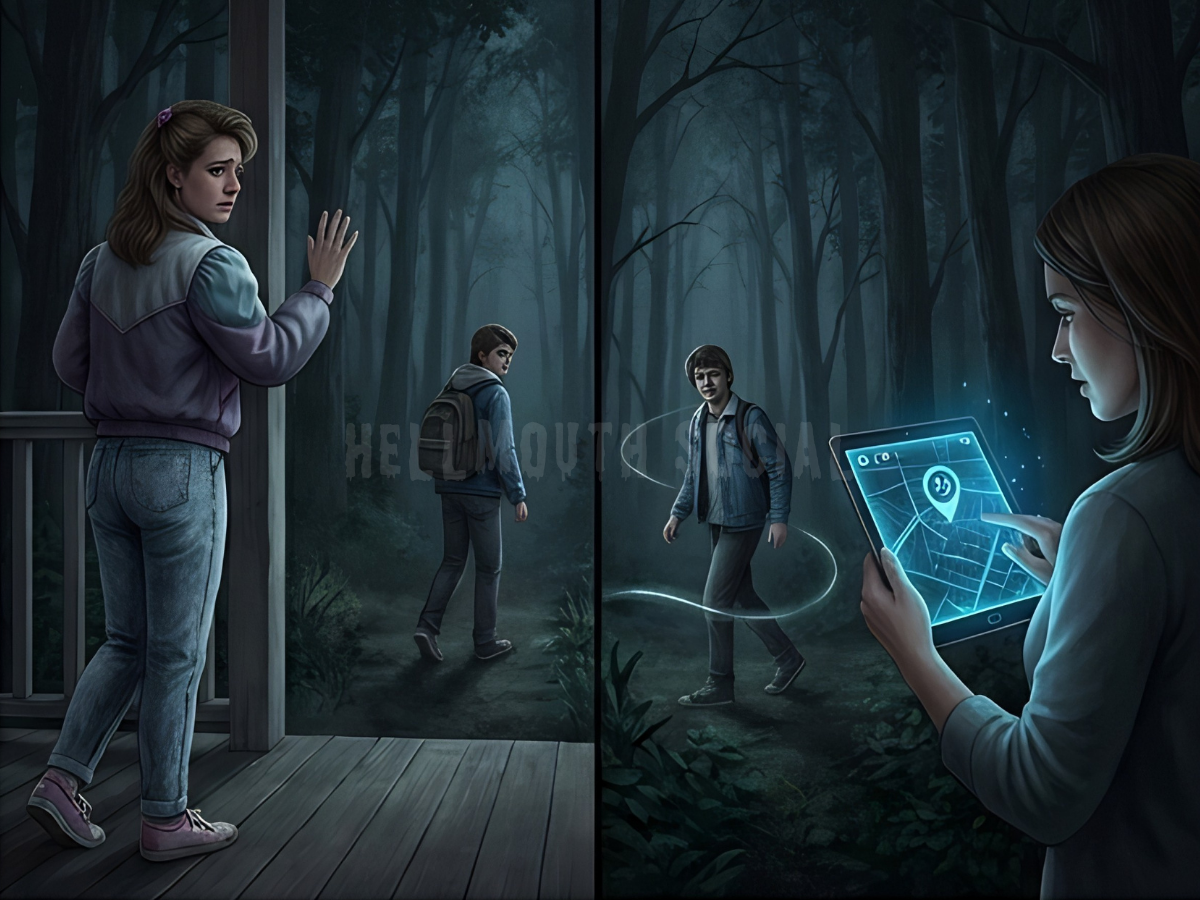
The sociology of the "Helicopter Parent" was just starting to take off in 2013. Now, we’re the parents, and we’re obsessed with tracking apps and organic snacks. Watching Roman self-destruct in the pilot makes me want to reach through the screen, give him a weighted blanket, and tell him to get a therapist who doesn't work for his mom.
There’s a scene where a young girl is brutally murdered — the "inciting incident" for the series. In a 2026 reboot, the town would have a ring-camera neighborhood watch group, and the killer would have been caught in 4K before the first commercial break. But in 2013? We still had the luxury of a slow-burn mystery where the teenagers were the only ones who knew what was actually going on. It reminds us of a time when we still had secrets from our parents, before our entire lives were backed up to a cloud server owned by a billionaire.
3. The "Othering" of the Outsider (Or: Why We’re All Peter Now)
Peter Rumancek moves into town and is immediately the prime suspect because he’s different. He’s a traveler, he’s lived in a caravan, and he doesn't fit the cookie-cutter mold of a dying Pennsylvania town.
In the mid-2010s, we were obsessed with the "Urban vs. Rural" divide. The show leans hard into the trope of the "dangerous outsider". But looking at it through a modern lens, Peter represents the mobility — or lack thereof — that defines our current social structure. He’s the "Other".
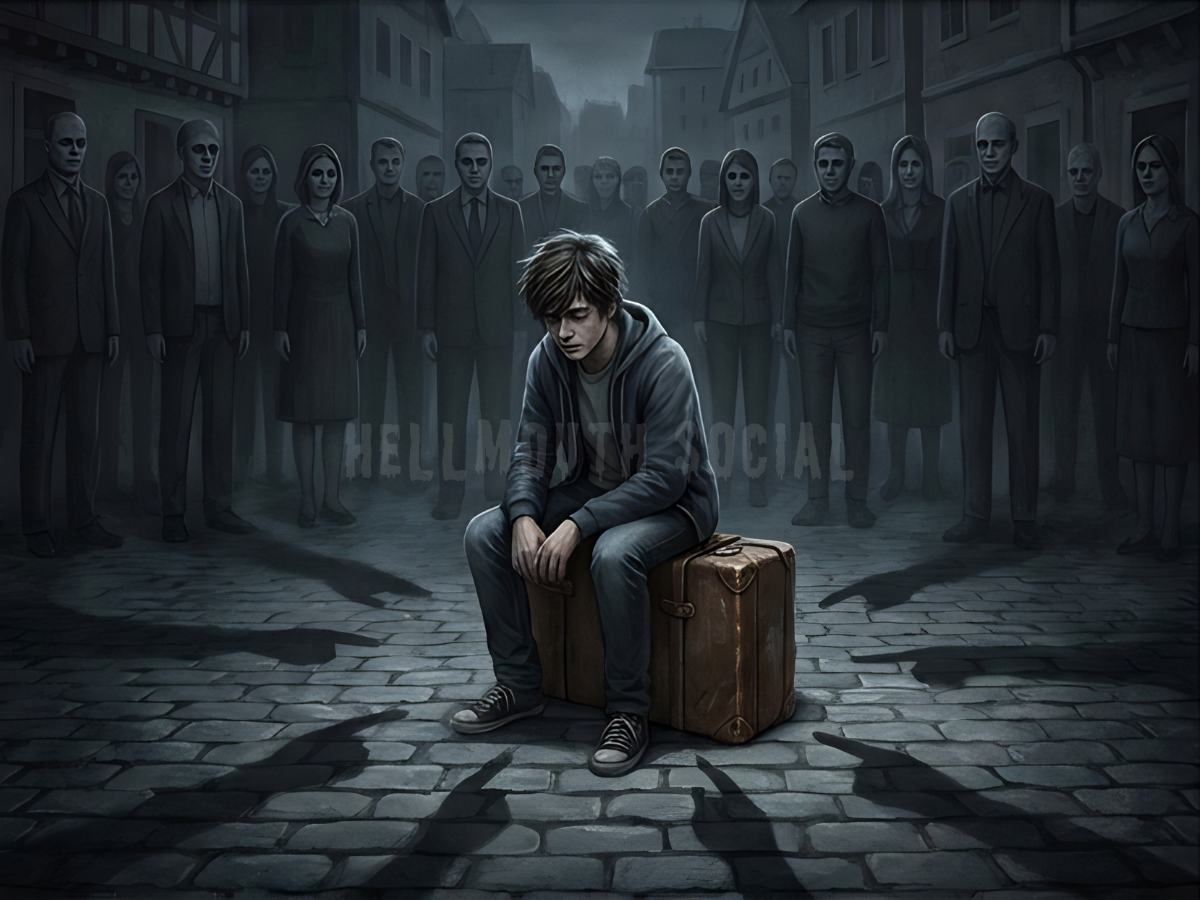
Sociologically, the pilot explores Deviance Theory. The community needs a scapegoat to explain the horror in their midst, so they pick the kid who doesn't have a permanent address. We did this in high school, we did it in our 20s at the dive bar, and now we do it on social media threads. The sarcastic irony is that Roman — the rich, beautiful, local royalty — is arguably far more "deviant" and dangerous than Peter.
We relate to Peter more now than we did then. In our 40s, many of us feel like outsiders in a world that’s moved on to TikTok trends we don't understand and AI that can write our emails better than we can. We’re all just Peter, trying to park our metaphorical trailers in a world that keeps demanding to see our permits.
The chemistry between Roman and Peter starts in this episode, and it’s built on that shared sense of not belonging. One is too high, one is too low, and the rest of the town is stuck in a stagnant middle that is terrified of anything that breathes too loudly. It’s the quintessential Xennial mood: being stuck between the "old ways" that don't work anymore and a future that looks a lot like a monster waiting in the woods.
Is it a Mid-Life Crisis or Just a Biological Research Lab?
So, what have we learned from our return to the Grove? Aside from the fact that Bill Skarsgård was clearly grown in a high-end Swedish lab to play "disturbingly attractive and possibly hollow inside", we’ve learned that the anxieties of 2013 haven't really left us — they’ve just changed clothes.
We’re still worried about the divide between the haves and the have-nots. We’re still trying to figure out how much of our parents' baggage we’re legally required to carry. And we’re still looking for monsters in the woods because it’s a whole lot easier than looking at the monsters in our credit card statements.
Hemlock Grove was a pioneer in that prestige pulp era. It was messy, it was loud, and it didn't care if you liked it. Kind of like us. We’re the generation that remembers life before the internet but can't survive a day without it. We’re the jellyfish in the sky — transparent, drifting, and occasionally capable of a nasty sting if you get too close to our vintage vinyl collections.
If you’re over 40 and looking for a nostalgia trip that feels like a fever dream you had after eating too much artisanal cheese, give "Jellyfish in the Sky" another watch. Just don't blame me when you start wondering if your neighbor’s new shed is actually a front for a biological research lab. Stay salty, my friends.