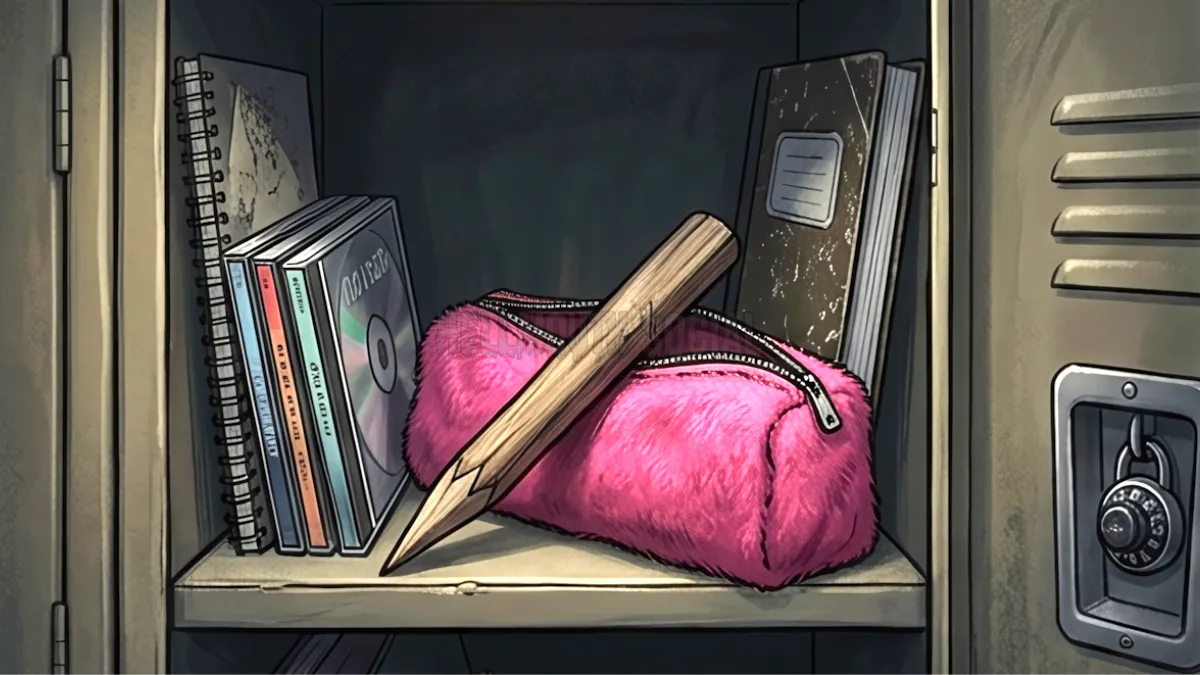
High School is Hell: A Sociology Lesson from the Hellmouth
Listen up, fellow weary survivors of the low-rise jean era. If you’re currently nursing a back injury you sustained while "sleeping wrong" or trying to explain to a Gen Z coworker that, no, we couldn’t just "text" our moms to pick us up from the Bronze, sit down. We’re going back to 1997.
I recently re-watched the pilot of that show about the blonde girl who stabs things, and as a sociologist — and someone who still has a slight indentation on their thumb from a butterfly clip — I realized something horrifying. This isn't just a campy supernatural drama; it’s a terrifyingly accurate documentary of our collective puberty. "Welcome to the Hellmouth" didn't just introduce us to a girl with great hair and a destiny; it gave us a blueprint for the social hierarchies that still haunt our therapy sessions today.
Let's dissect why high school felt like a literal portal to a demonic dimension, shall we?
1. The Fashion is Frightening, but the Social Darwinism is Worse
In the pilot, our heroine arrives at a new school trying to "rebrand" — a term we didn't have then, back when we just called it "not wanting to be the weirdo anymore". But the sociology of the hallway is ruthless. You have the Queen C archetype, who uses social capital like a blunt instrument. In 1997, that meant judging your off-brand sneakers. Today, it’s probably the same women judging your choice of air fryer in a private Facebook group.
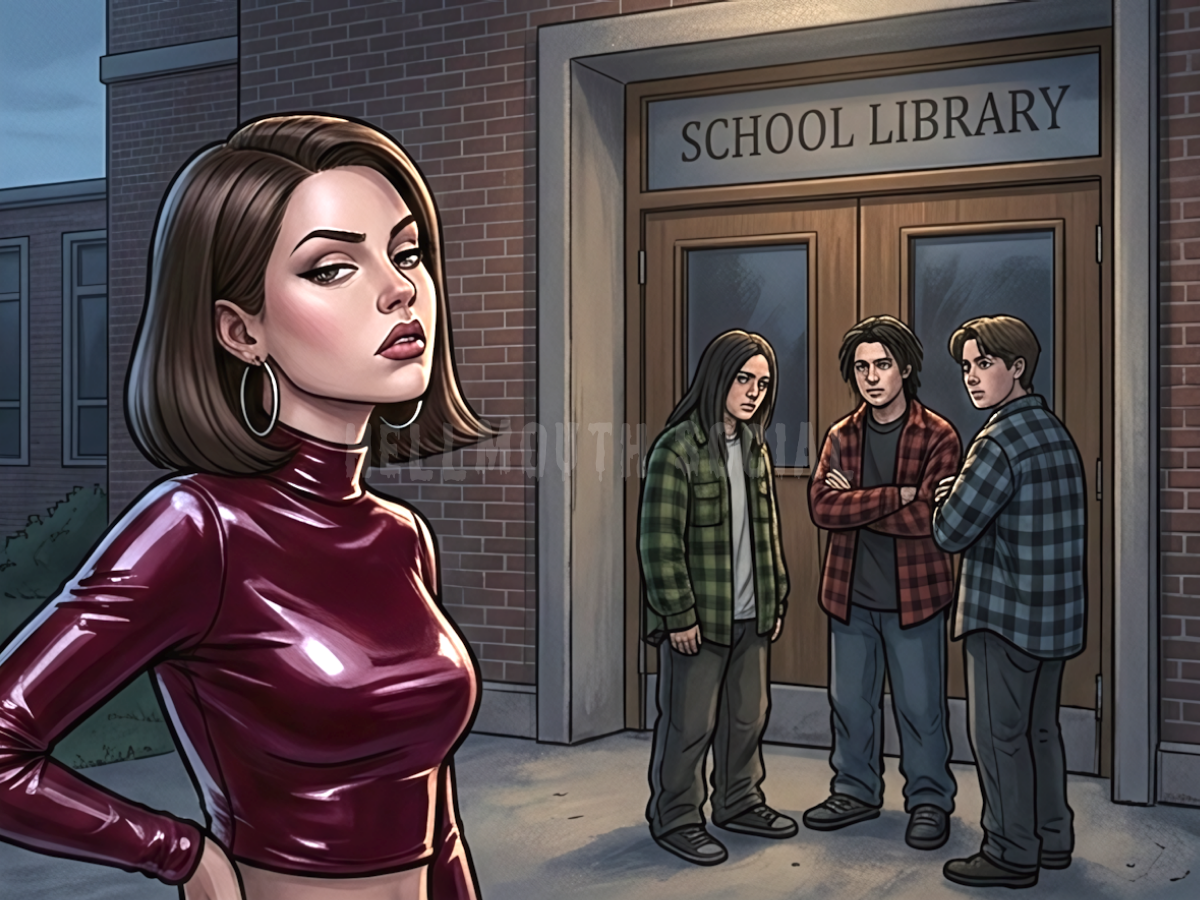
The episode perfectly captures the Theatricality of Status. The hallway isn't just a place to get to Algebra; it’s a stage where every outfit choice is a high-stakes gamble. For us Xenials, this was the peak of "The Look". If you didn't have the right length of skirt or the correct amount of sarcasm, you were socially dead — which, in this town, was often a literal transition. We see the protagonist try to fit in, only to realize that the price of admission to the cool table is your soul. Literally. Some things never change, except now the "cool table" is an influencer retreat in Tulum that looks exhausting.
2. The Library: Where Information (and People) Go to Die
Let’s talk about the Library. To a modern teenager, a school library is a quiet place with decent Wi-Fi. To us, it was a graveyard of encyclopedias and microfiche. In the Hellmouth, the library sits directly over the portal to all evil. This is the most brilliant sociological metaphor ever put to celluloid.
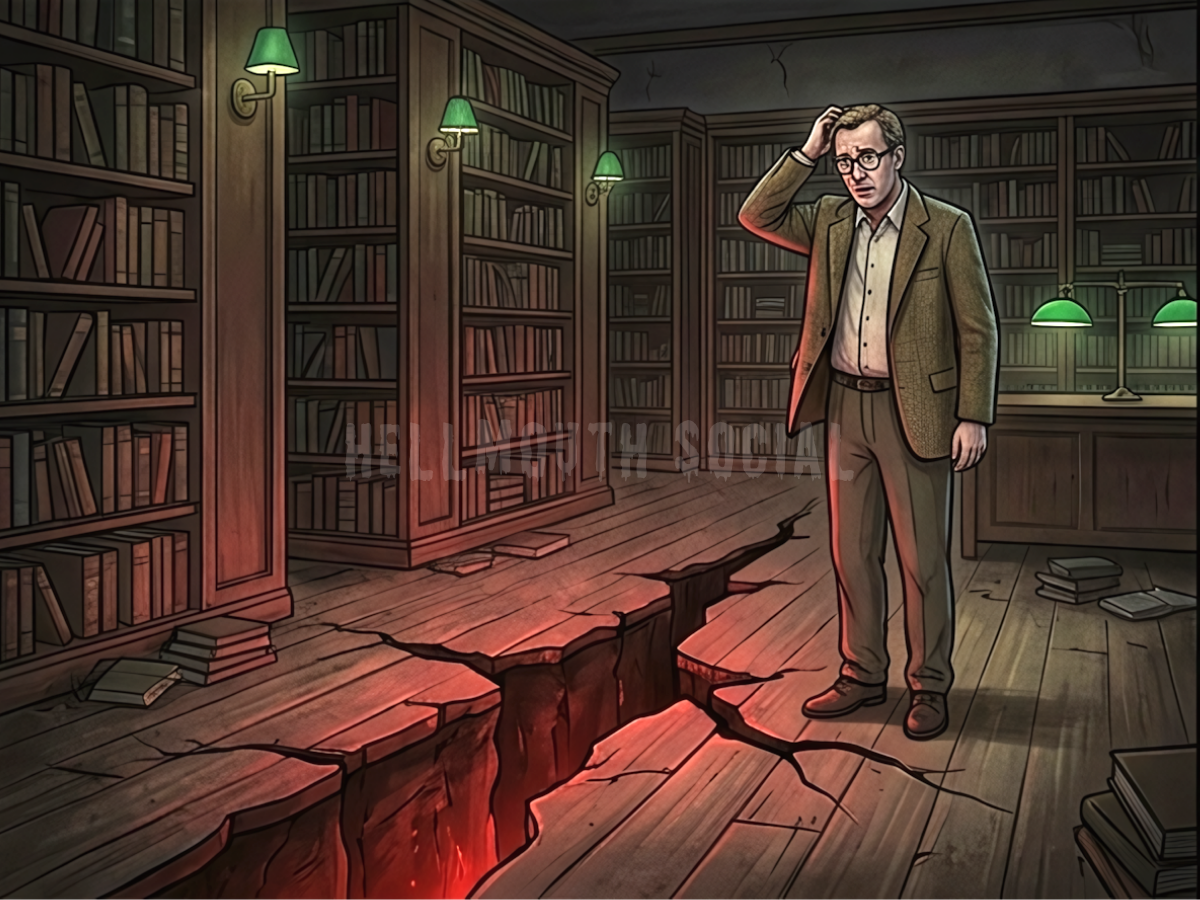
Back in the 90s, the "nerds" were the gatekeepers of information. If you wanted to know how to stop a vampire — or how to fix a printer — you had to go to the guy with the books. Today, we have the sum of human knowledge in our pockets, yet we use it mostly to look up if that mole is cancerous (it’s usually just a freckle, Brenda) or to argue with strangers about sourdough.
The "Watcher" figure represents that adult who actually knew things, a concept that feels alien now that we realize most adults are just three toddlers in a trench coat trying to figure out how to file taxes. The pilot reminds us that knowledge is power, but in the 90s, that power came with a side of dust and a very high probability of being eaten during a study session.
3. Male Entitlement: Now with Extra Fangs!
The pilot introduces us to the "Sensitive Guy" and the "Lurking Guy." Re-watching this through the lens of a 40-something woman is an experience. We see the classic 90s "Nice Guy" trope — the one who feels entitled to the protagonist's time because he showed her where the registrar’s office was. Then you have the mysterious guy in the shadows giving out cryptic warnings and free jewelry.
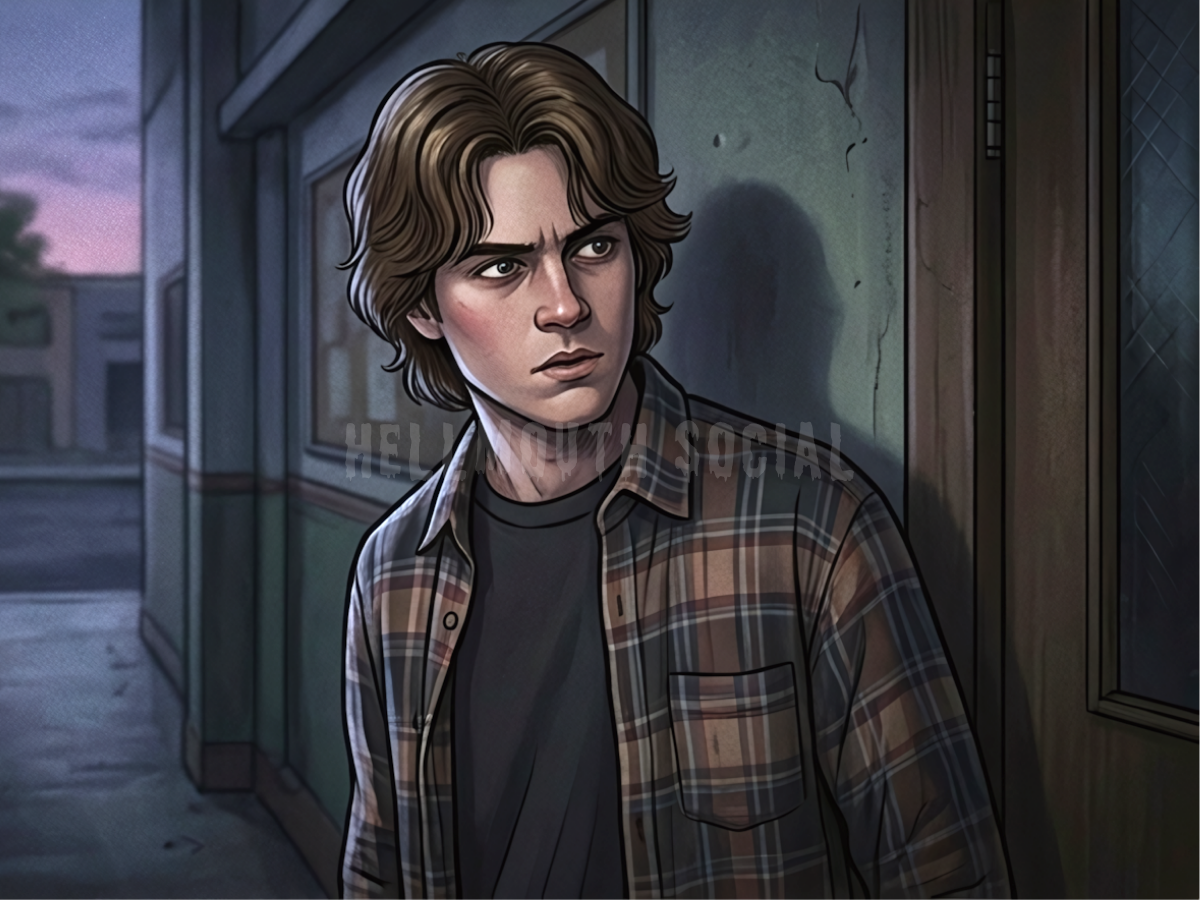
Sociologically, the Hellmouth is a pressure cooker for gender roles. The girls are expected to be dainty but are secretly carrying the weight of the world, while the boys are either oblivious or predatory. In the 90s, we thought the "bad boy" in the velvet coat was romantic.
Now, post-2025, we look at him and think, "Does he have a job? What’s his credit score? Does he have a skincare routine, or is that just 'undead glow'?" The monsters in the episode are just physical manifestations of the creeps we all encountered at the mall food court. The only difference is that the 90s monsters wore better leather jackets.
Conclusion: We’re Still in the Library, Just with Better Wine
So, what have we learned from our trip back to 1997? High school was a nightmare because it was designed to be one. It was a place where "fitting in" was a survival strategy and the principal was probably a literal demon.
As Xenials, we’re in a weird middle ground. We remember the world before the internet ruined everything, but we’re young enough to be annoyed when the Wi-Fi drops. We look back at the Hellmouth and realize that while we may not be fighting vampires in the gym anymore, we’re still fighting the same social demons: the need for validation, the fear of being "different", and the struggle to find a decent pair of boots that don't hurt our arches.
The monsters change, but the Hellmouth is just a metaphor for any place that tries to tell you who you’re supposed to be. Whether you’re 16 or 46, the mission remains the same: find your "scooby gang", keep your wooden stakes sharp, and for the love of everything holy, don't go into the basement alone.
Now, if you’ll excuse me, I need to go put some ice on my knee and wonder if I can still pull off a choker necklace. (Spoiler: I can't.)