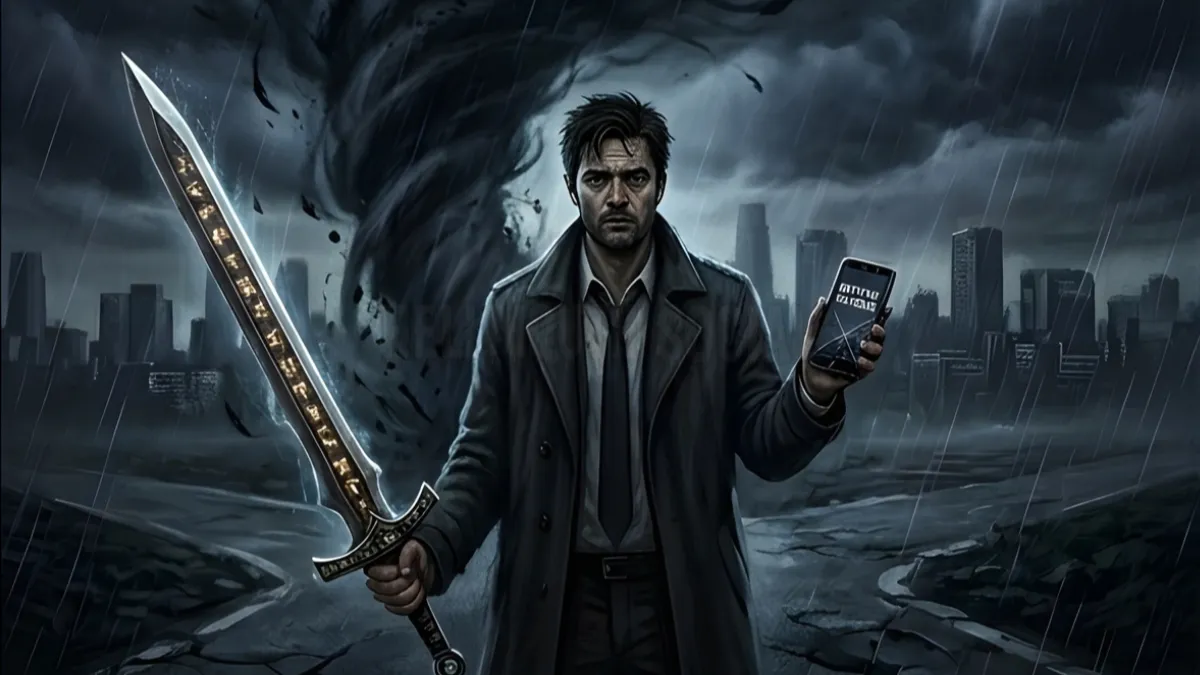
How Fighting a Literal Apocalypse is Still Easier Than a 3-Hour Zoom Call
It’s 3:14 PM on a Tuesday, and you’re trapped in the seventh circle of professional purgatory: a "quick sync" entering its third hour. As you stare at your manager’s frozen screen, you realize with a crushing sense of Xennial clarity that you’d trade this spreadsheet for a broadsword in a heartbeat.
We grew up watching the Halliwells and Mikaelsons navigate high-stakes demonic mergers, but from the vantage point of the 2020s, they had it easy. When a Hellmouth opens, the mission is clear: grab the stakes, say the Latin, and save the world. In our reality, the "hostile takeover" doesn’t come with an orchestral swell — it’s a passive-aggressive Slack message at 6:00 PM on a Friday. A literal apocalypse is a one-and-done event, but surviving the modern corporate wasteland is a slow-motion haunting that never actually lets you die.
The Xennial Professional Paradox
Welcome to the "Supernatural Career", a sociological autopsy of the Xennial professional life. As a micro-generation, we occupy a bizarre structural gap: we are the last ones to remember the tactile safety of the analog world, yet we were the first ones expected to master the digital always-on grind. We entered the workforce during a pivot point in history, sold on the promise of the dream career — that shiny, linear path to stability — only to be handed a series of once-in-a-lifetime economic collapses, a global pandemic, and a labor market that feels like a perpetual state of emergency.
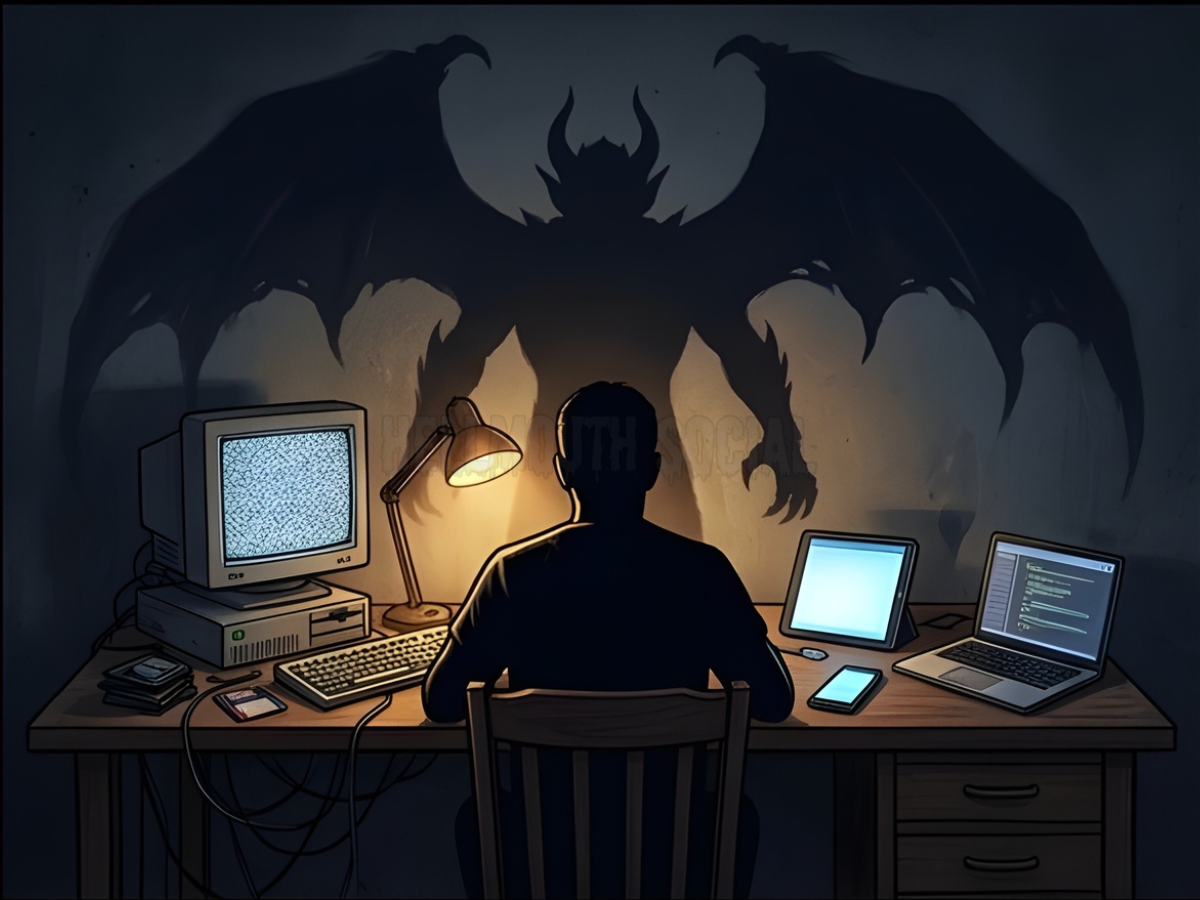
In this space, we are looking at the Supernatural Career not just as a fun binge-watch, but as a lens for our own survival. My thesis is simple: the shows we obsessed over between 1980 and 2016 — the Angels, the Charmed Ones, the Mikaelsons — weren’t just escapist fantasies. They were unintentional training manuals for the Xennial reality.
They depicted characters expected to perform supernatural output — saving the world, managing ancient bloodlines, or fighting cosmic evil — all while trying to maintain human lives on human wages. We might not be casting spells or drinking blood to stay young, but as we navigate a 2020s landscape that demands infinite productivity for a finite paycheck, we are essentially living out the same dark, absurd sociology. We’re just doing it without the cool leather jackets.
Clear Goals vs. Corporate Ambiguity
In the world of The Originals, professional objectives are refreshingly binary. If a rival coven places a boundary spell on your house, you find the ancestral grimoire, channel a dark object, and break the curse. If a guerilla faction of vampires stages a coup in the French Quarter, you execute a tactical counter-strike. The mission is always survival and the metric for success is "Not Being Dead". There is an enviable clarity in a life where your primary KPI is simply keeping your head attached to your shoulders.
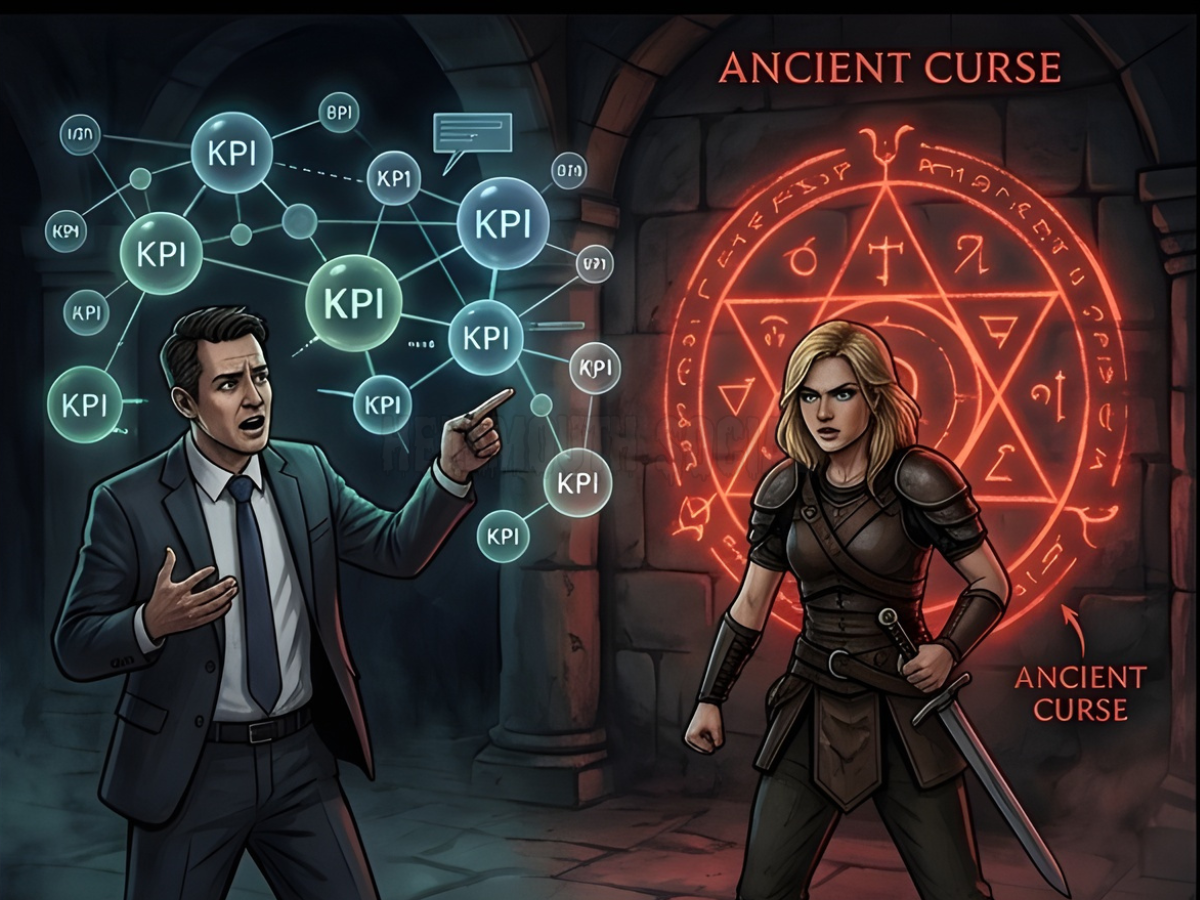
Compare that to the modern corporate landscape, where success is a ghost we’ve been chasing since our first entry-level internship. In the 2020s, we operate in a fog of corporate ambiguity where goalposts are moved mid-sprint and pivoting is just a buzzword for "we have no idea what we're doing, but please work through the weekend."
We are drowning in vague KPIs and deliverables that shift based on the whims of an algorithm or a stakeholder’s mood. This is why we feel a strange nostalgia for a literal vampire uprising: at least in a war between the undead, you knew exactly who the villain was. In the modern office, the monster isn't a beast in the shadows; it’s a nebulous company culture that asks for total devotion while offering zero instructions on how to actually win.
The "Second Shift" is Just Modern Witchcraft
Consider the Halliwell sisters. On any given Tuesday, Piper was trying to keep a nightclub from going under while Phoebe was meeting deadlines for her advice column—all while a stray Manticore tried to trash the living room. They were the ultimate avatars of the Second Shift, that sociological phenomenon where you finish a full day of professional labor only to start a second full day of domestic and, in their case, supernatural management. They made "having it all" look like a frantic exercise in high-stakes plate spinning, where the plates were occasionally on fire and trying to kill you.
For the Xennial professional, this is just a Tuesday. We are the generation expected to be the bridge between the old world and the new — the ones who have to be tech-savvy enough to fix the router, emotionally intelligent enough to manage our boss’s ego, and "on" 24/7 thanks to the black mirror in our pockets.
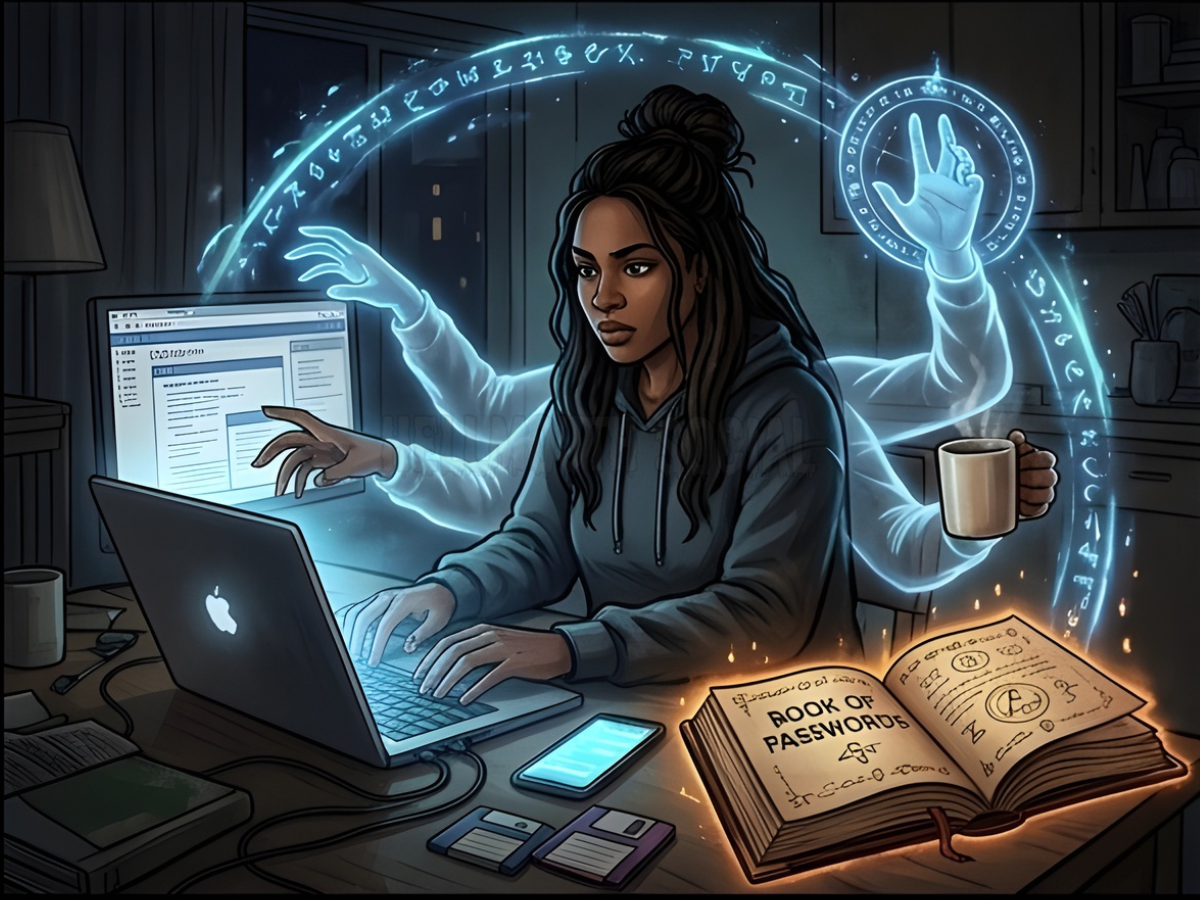
Our lives are governed by a different kind of ancient, dusty tome: the Book of Passwords". It’s that frantic, scribbled list of logins for banking, health insurance, and two-factor authentication that we must consult just to prove we exist. We are all essentially Halliwells now, performing the daily witchcraft of keeping a household running while maintaining a professional veneer.
The only difference is that we have to fold the laundry manually while nodding along to a conference call, whereas Piper could have just frozen the room and taken a nap. Our Power of Three has been downgraded to the Power of Three Monitor Setups, and frankly, the demons were easier to banish.
The Coworker from Hell (Literally)
In the US version of Being Human, the horror is about the exhausting logistics of the medical profession. Josh and Aidan are essentially trying to survive a residency at a Boston hospital while managing the slight inconvenience of being a werewolf and a vampire. They just want to get through a double shift without a lunar transformation or a sudden craving for a patient's carotid artery ruining their professional reputation. It’s a literalized version of the monster hiding in plain sight where the goal isn't world domination — it’s just passing for normal long enough to cash a paycheck.
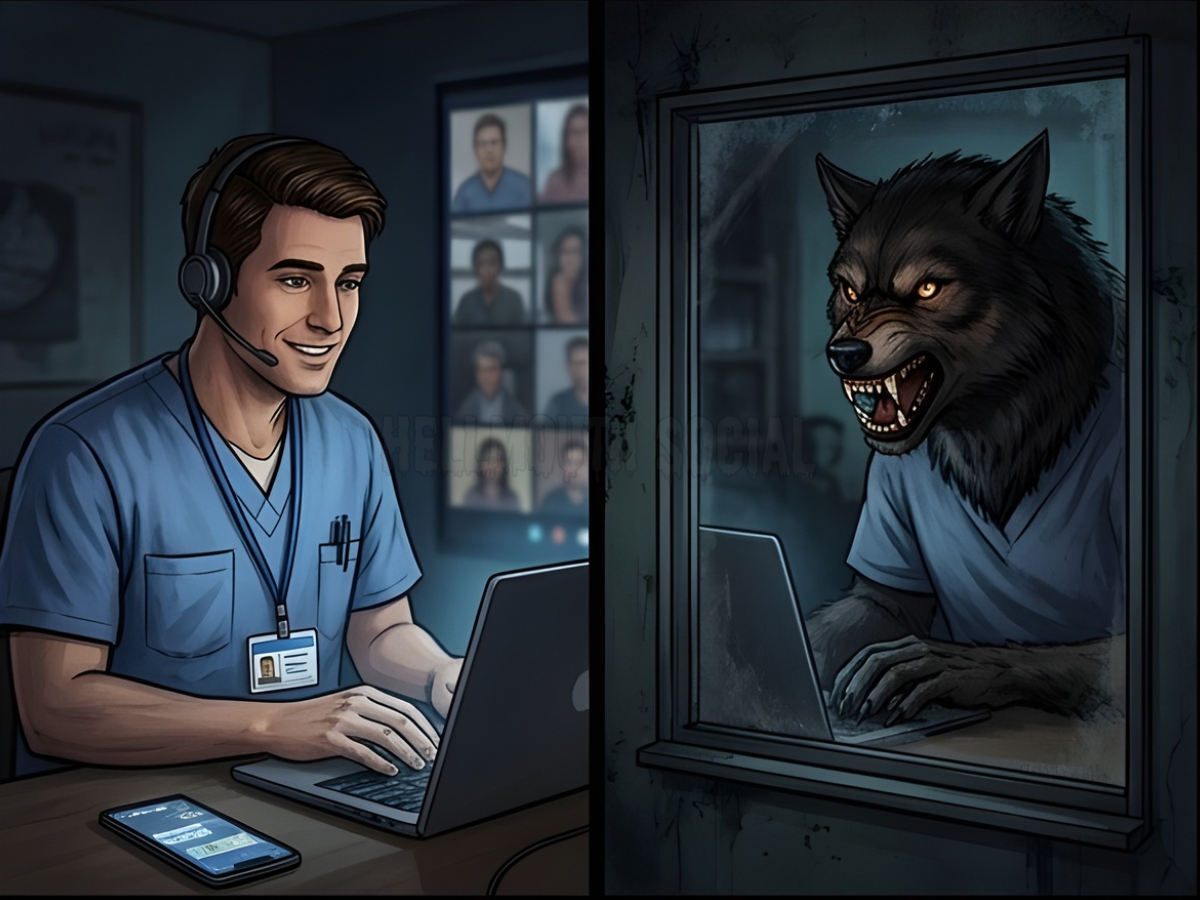
As Xennials, we relate to this on a visceral level because we are the masters of the workplace mask". Sociology defines impression management as the way we control how others perceive us, but in the 2020s, that mask has become a heavy, lead-lined suit. We are all Josh and Aidan, clocking in and performing the role of the "engaged, collaborative team player" while internally we are wrestling with the beasts of chronic burnout and deep-seated cynicism.
We are masking the primal urge to ghost our entire professional identities, delete our LinkedIn profiles, and disappear into a cabin in the woods. Every time you force a smile during a mandatory fun office birthday party while your internal monologue is screaming for an exit strategy, you’re doing exactly what Aidan does when he stares at a blood bag: you're just trying to make it to 5:00 PM without letting the monster show.
The Stakes Are Actually Higher in the Office
There is a specific brand of dark humor that only a Xennial can truly appreciate: the realization that a literal apocalypse is actually a pretty solid exit strategy. If a Hellmouth opens in your backyard and the world ends in a glorious, cinematic blaze of CGI fire, the stakes are remarkably clean.
The world is gone, your debt is erased, and you finally have a valid excuse for missing that 9:00 AM stand-up. In the supernatural world, the "end" is a definitive, punctuated event. It’s high-stakes, it’s dramatic, and most importantly, it’s final.
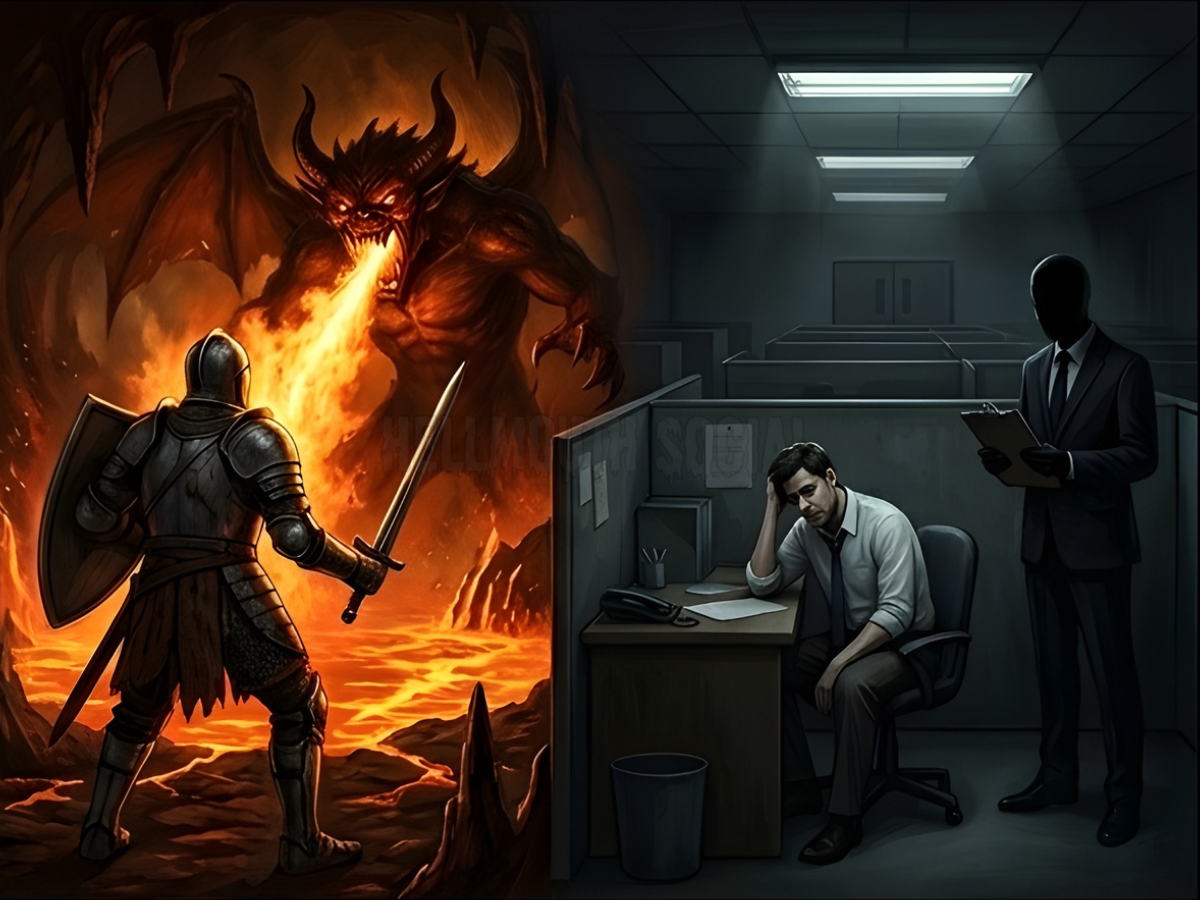
But in the modern office, we don’t get the dignity of a final battle. If you miss a critical deadline because your child got sick or your brain simply reached its capacity for corporate jargon, you aren't devoured by a soul-eating demon. Instead, you are invited to a performance review.
You have to sit in a glass-walled room and engage in a soul-shriveling dialogue about your "opportunities for growth" and "actionable goals". There is no sword to swing, no spell to cast; there is only the slow, rhythmic ticking of a clock as you justify your existence to a middle manager. When you weigh the options, a demonic uprising feels almost merciful. One ends your life; the other just makes you wish it would.
Conclusion: The Long Commute to Nowhere
Ultimately, the Supernatural Career is about acknowledging the absurdity of being expected to work a 40-hour week while the world feels like a scripted horror show. We find comfort in these stories because they validate our Xennial exhaustion. They remind us that the struggle to find meaning in a soul-crushing system is a tale as old as time — or at least as old as basic cable.
We relate to the vampire and the witch because, like them, we are just trying to navigate a world that wasn't built for our survival, armed with nothing but our wits and a very dark sense of humor.
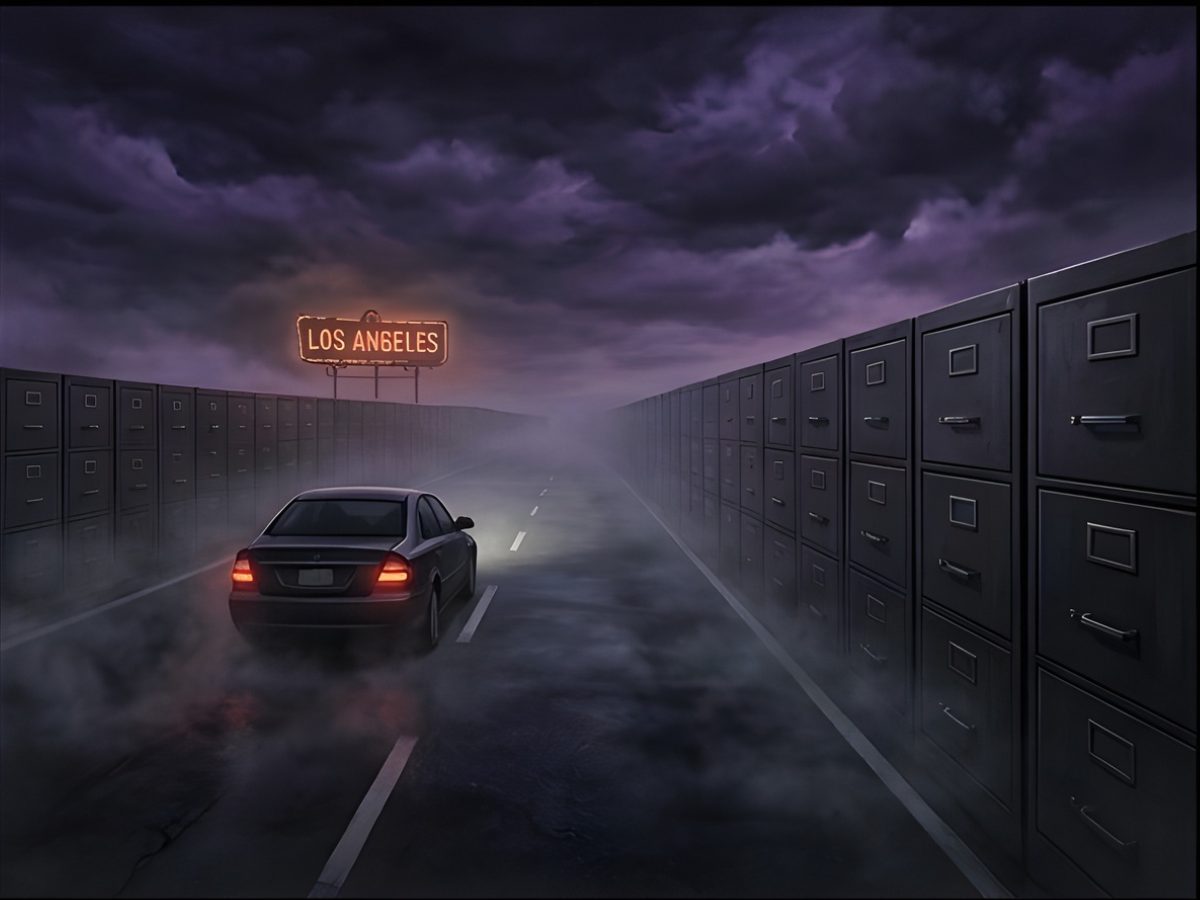
But as we embark on this series, we have to recognize that the work-life balance struggle isn't just about what you do — it’s about where you are. Because while a literal apocalypse is a one-time event that ends with a bang, there are certain landscapes designed for a much slower, much more agonizing corporate rot. There are places where the environment itself acts as a predator, draining your spirit before you even finish your morning commute.
Before we can dissect the individual success stories of the undead professional, we have to look at the geography of the soul-crush. We need to talk about the city where professional dreams go to be processed, filed, and eventually forgotten in a basement archives. As we’ll see when we revisit the pilot of Angel, Los Angeles isn't just a backdrop for a spinoff; it’s the place where your soul goes to die, one billable hour at a time.