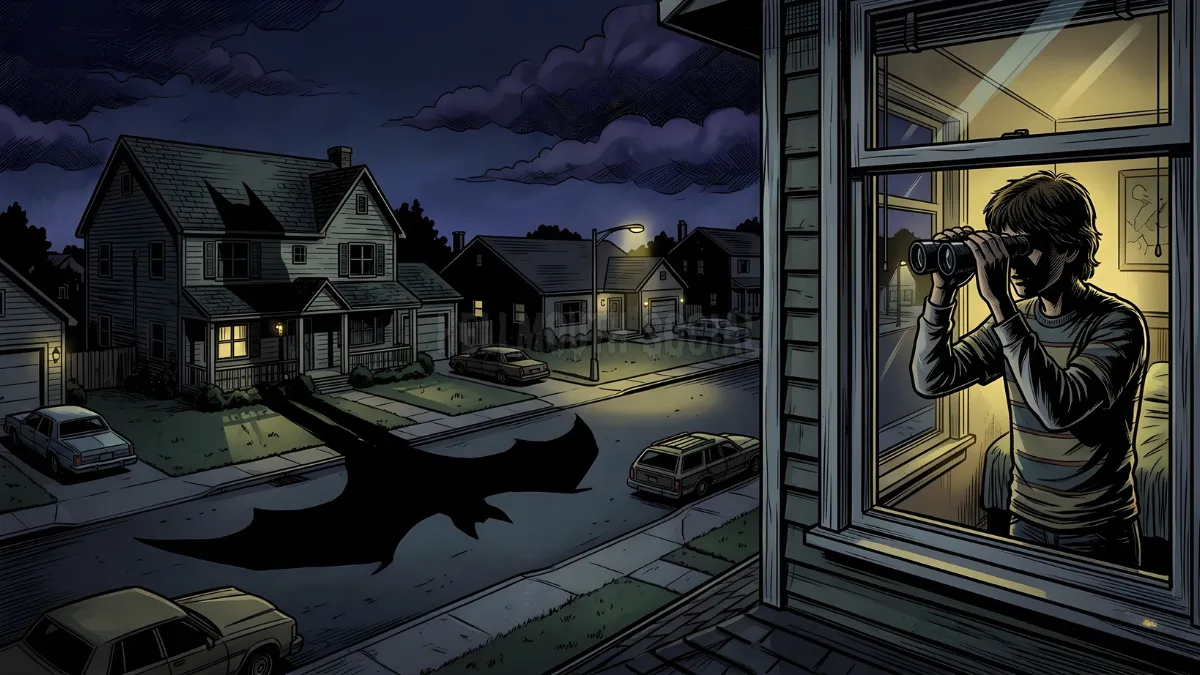
Suburban Bloodsuckers and the Death of the Neighborhood Watch
Listen, if you grew up in the mid-80s like I did, your primary childhood fears were divided into three distinct categories: the Cold War, quicksand, and the guy next door being a literal monster. While our parents were busy obsessing over Tupperware and the rising cost of hairspray, we were convinced the new neighbor wasn't just "private", but was actually keeping a coffin in his basement.
Fright Night isn’t just a movie about a charming vampire named Jerry; it’s a time capsule of an era where we actually knew what our neighbors were doing because we weren’t all staring at glowing glass rectangles in our palms. Back then, "social media" was just your mom leaning over the fence to judge the woman three doors down for her questionable choice in patio furniture.
Today, we don’t need a stake to kill a vampire; we’d just record him on a doorbell camera and argue about it in a neighborhood app until the sun came up.
1. From Nosy Neighbors to Digital Isolation
In 1985, Charley Brewster was the original whistleblower, and his only platform was a window and a dream. The film highlights a sociological concept called "neighborliness", which has basically gone extinct in the era of high-speed internet and home delivery.
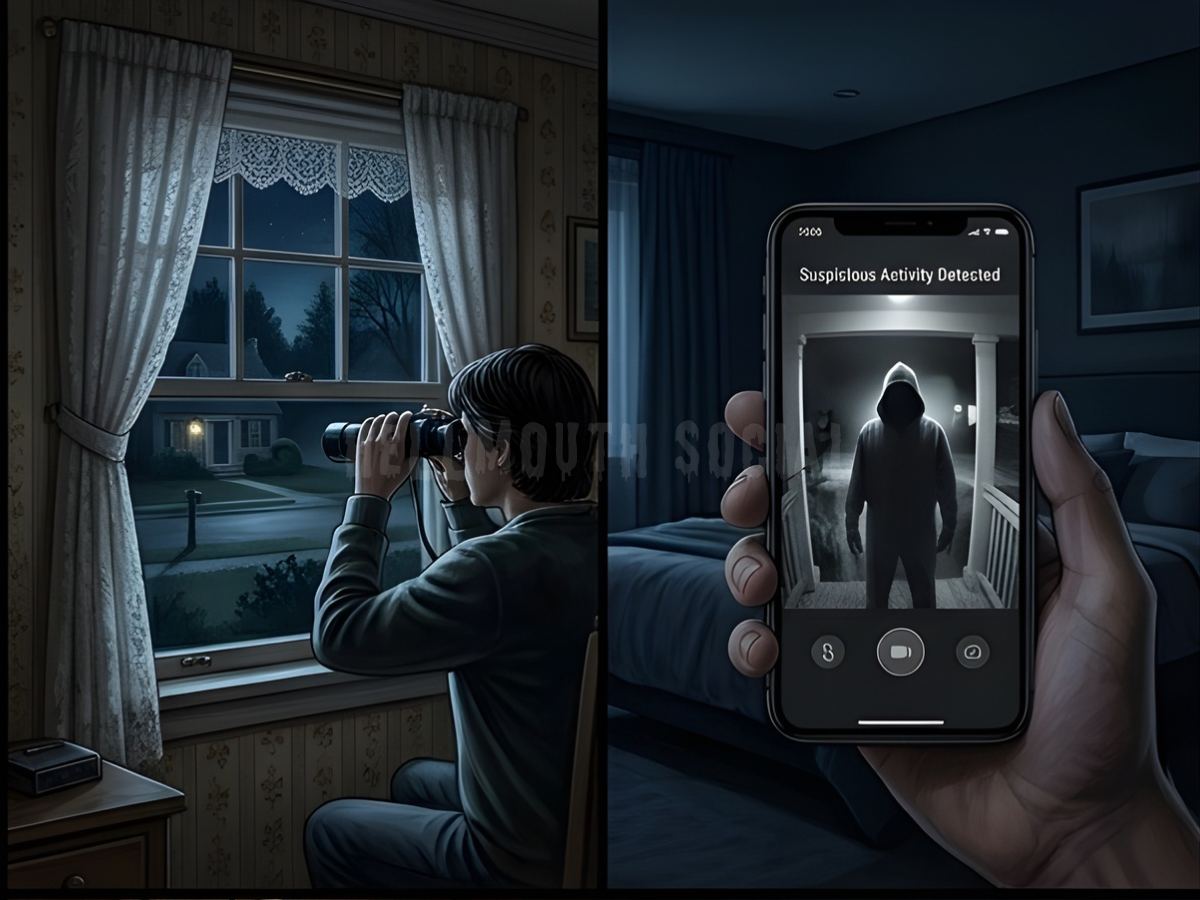
Jerry Dandrige moves in and immediately starts doing vampire stuff — you know, hauling coffins and being suspiciously handsome — and Charley notices because there was literally nothing else to do. If Jerry moved in next door to me today, he could feast on a different Uber Eats driver every night, and I wouldn’t notice because I’m too busy trying to figure out if I have enough fiber in my diet to survive the next decade.
We’ve traded the physical community for digital silos. We used to worry about the monster in the house next door; now we’re just annoyed if their Wi-Fi signal interferes with ours. The sociological shift from "looking out" to "looking down" means modern-day Jerry would have a much easier time hiding his body count behind a "Do Not Disturb" setting and a high-fenced backyard.
2. The Great Gaslighting of the Youth
One of the most relatable parts of Fright Night is the absolute refusal of every adult to believe a word Charley says. It’s the ultimate Xennial origin story: being told you’re crazy by people who think eating lead paint chips was a viable snack option. Charley is gaslit (to use a term our kids love) by his mom, the cops, and his girlfriend.
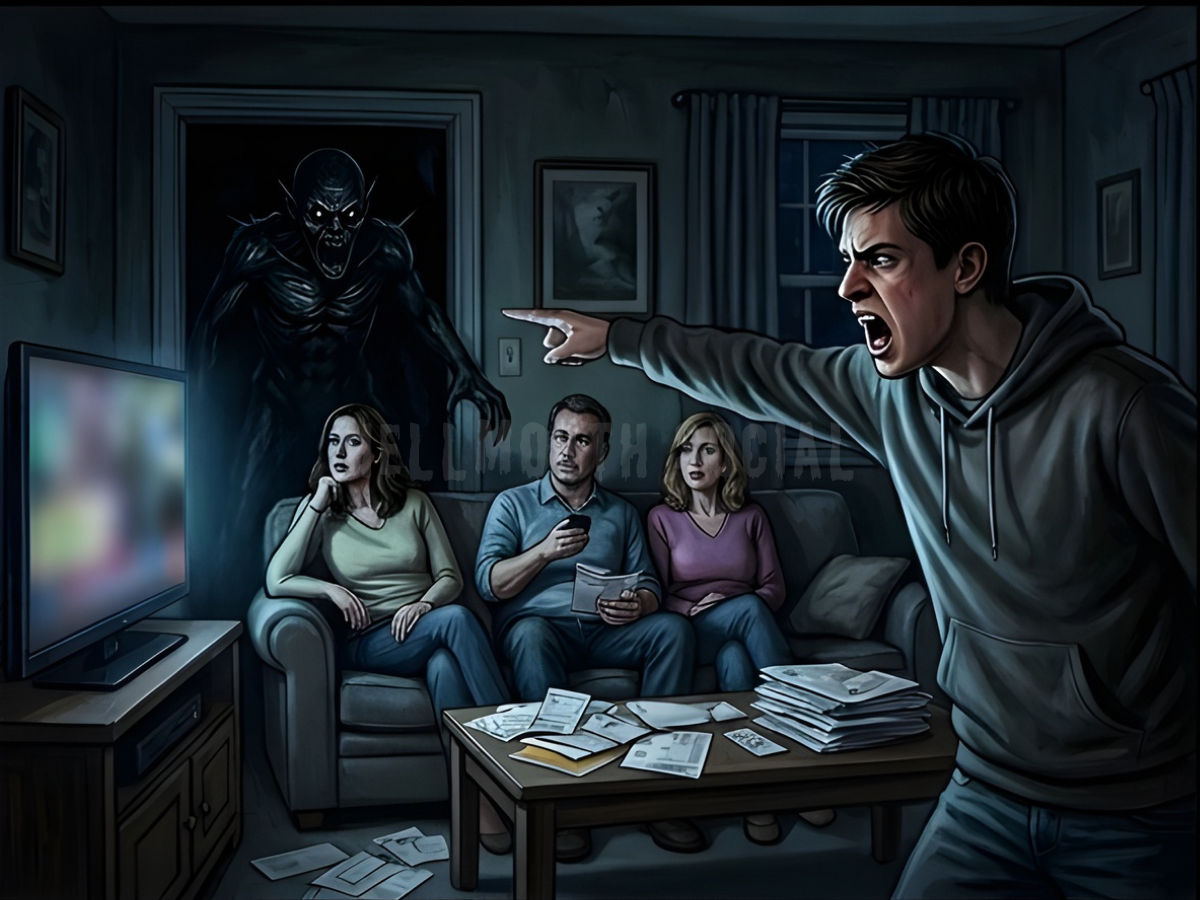
This reflects the 80s sociological norm of latchkey independence, where kids were basically expected to handle their own problems, including supernatural predators. Fast forward to today, and we’ve become the "helicopter parents" we used to fear. If a kid today told their mom the neighbor was a vampire, there would be a 40-person group text, a call to the local HOA, and a demand for a background check within twenty minutes.
We’ve swung from "don't bother me while I'm watching my soaps" to "I need to know the GPS coordinates of your backpack at all times". We’ve lost that wild, terrifying autonomy Charley had, which honestly, makes for much less exciting movies.
3. The Collapse of the Local Hero
Peter Vincent, the "Great Vampire Killer", is a perfect metaphor for the death of traditional authority. He’s a guy who played a hero on TV but is actually just a terrified man who can’t pay his bills. In the 80s, there was still this lingering hope that an expert or a professional would swoop in and save the day.
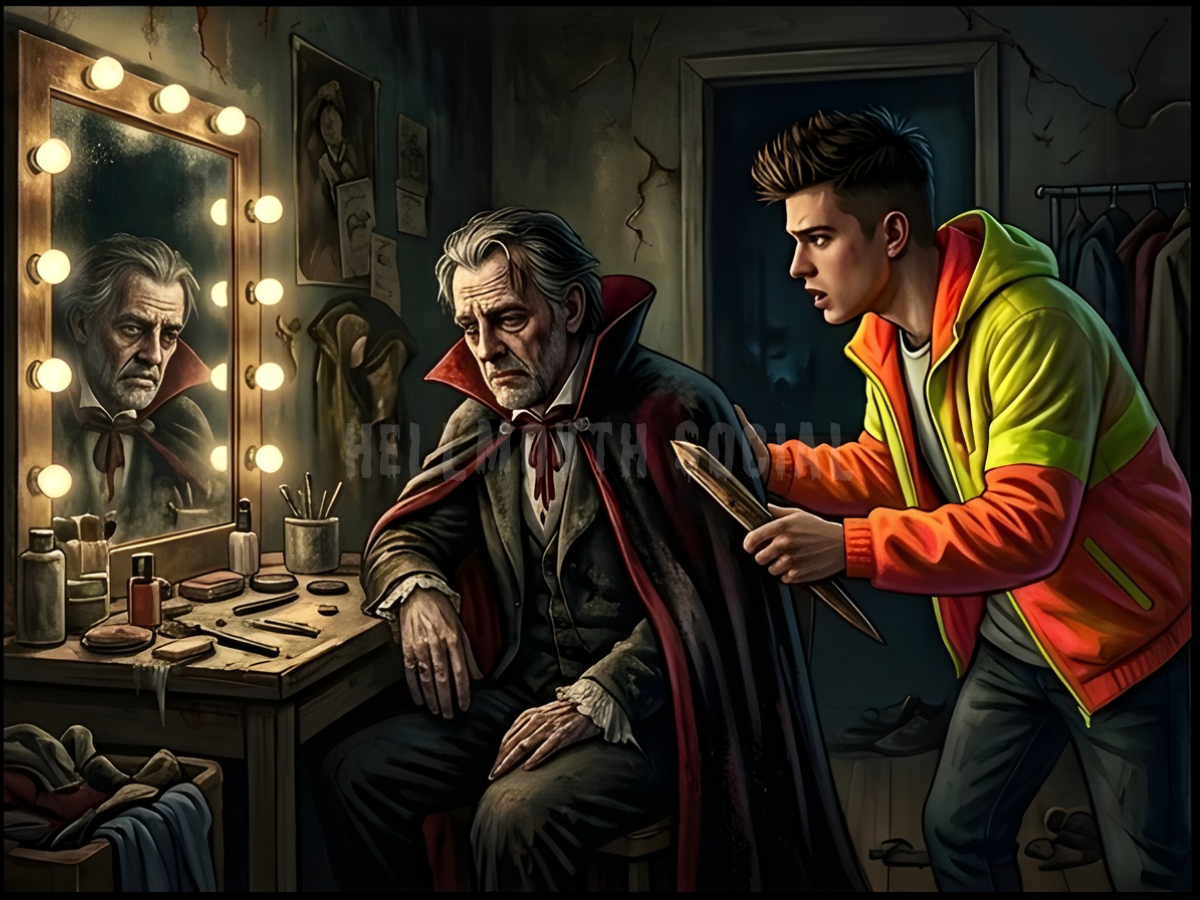
Today, we live in the post-truth era where expertise is treated like a suggestion. If Charley sought out Peter Vincent in 2026, Peter wouldn't be a late-night horror host; he’d be a failed podcaster selling overpriced supplements and shouting into the void about how sunlight is a government conspiracy. Our skepticism has evolved from a healthy "don't believe everything you see on TV" to a cynical "everyone is a fraud".
Watching Peter Vincent find his courage is heartwarming, but in our current social climate, we’d probably just cancel him for his outdated views on garlic before he even had a chance to pick up a crucifix.
Why We’re All Just Jerry Dandrige Now
Ultimately, Fright Night serves as a reminder that the world was a lot smaller and a lot scarier when we had to rely on each other. We’ve traded the danger of the unknown neighbor for the comfort of total isolation. Jerry Dandrige represented the predatory nature of the "outsider", but in 2026, we’re all outsiders to one another.
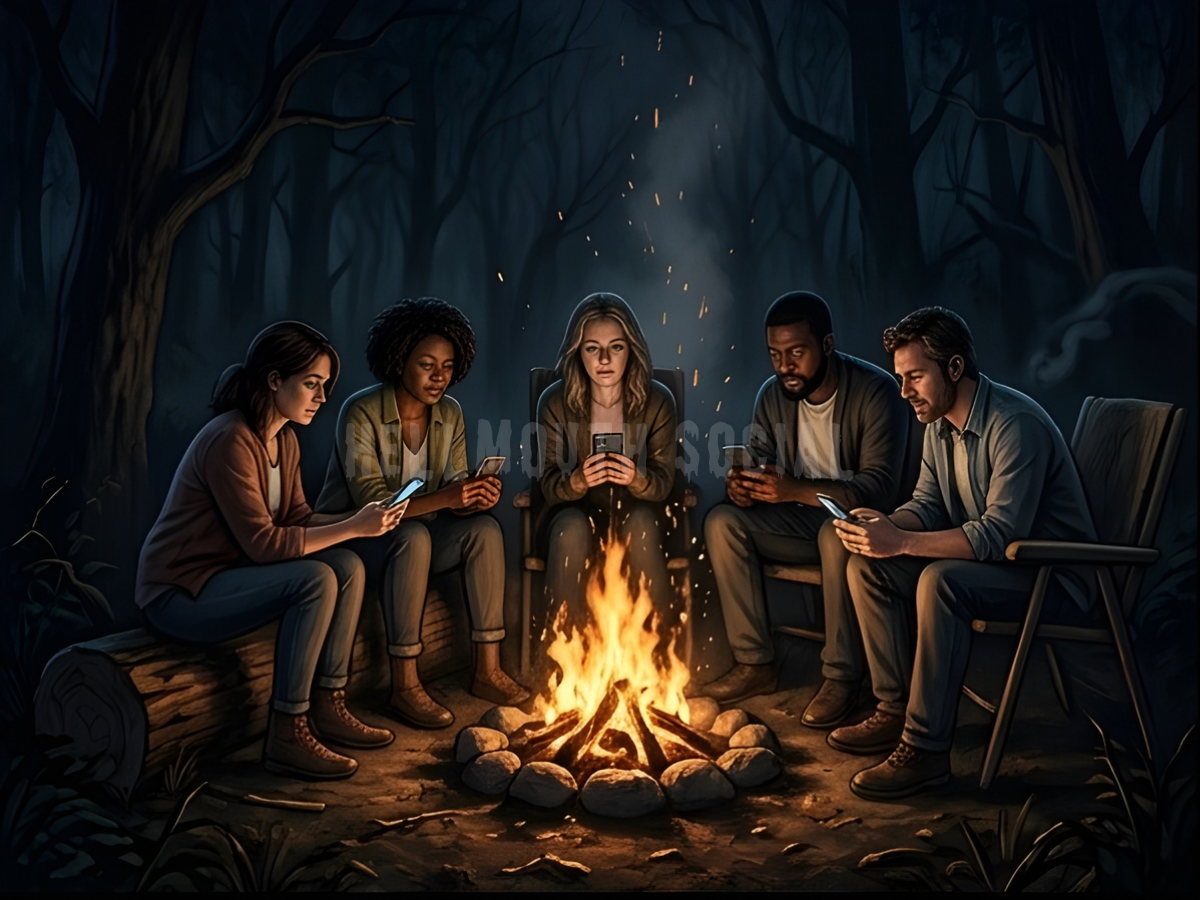
We live in our air-conditioned fortresses, fearful of a phone call we didn't schedule, and suspicious of anyone who rings the doorbell. We might not be drinking blood to stay young — mostly because we’ve discovered retinol and expensive smoothies — but we’re just as obsessed with our own privacy and survival as Jerry was.
So, the next time you see a moving truck pull up next door, maybe skip the binoculars and just send a polite "hello" text. Unless, of course, they’re carrying a heavy, rectangular box into the basement at 3:00 AM. In that case, you’re on your own, kid.