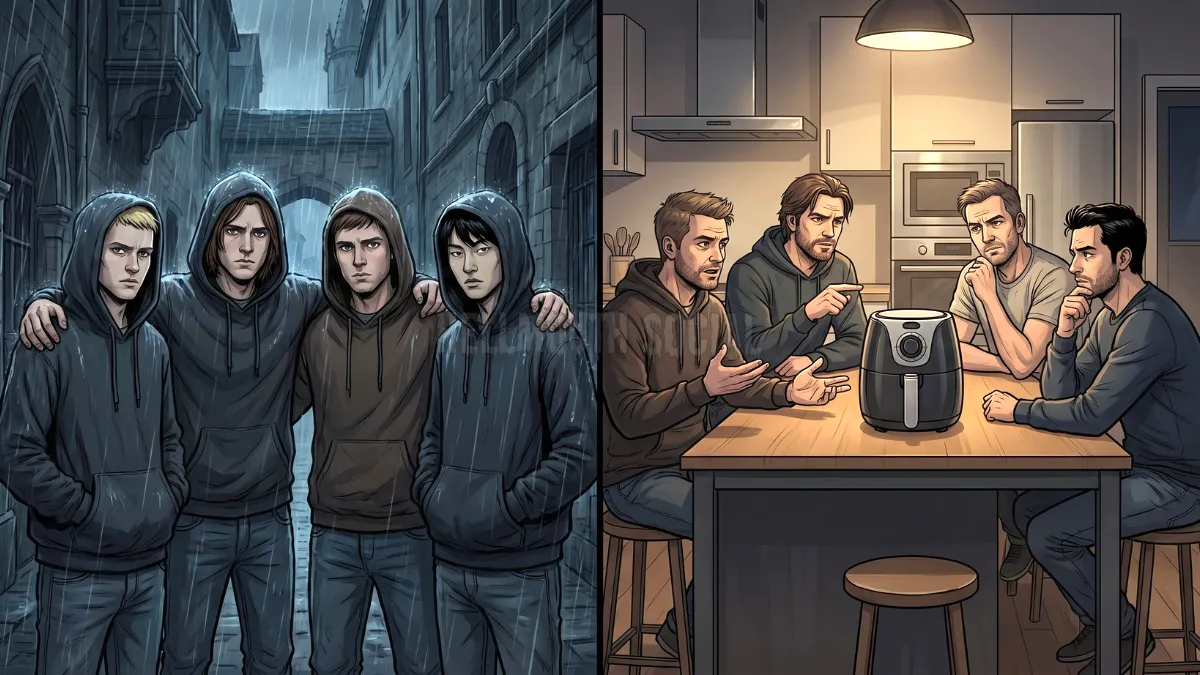
The Covenant (2006): Why Our Magic Ended with Low-Rise Jeans
I think it’s fair to say that if you were a sentient being with a pulse and a fondness for guy-liner in 2006, then you definitely remember The Covenant. It was the cinematic equivalent of a MySpace bulletin posted at 2:00 AM: moody, strangely aggressive, and full of people who looked like they’d never seen a carbohydrate in their lives.
I rewatched it recently, and let me tell you, nothing makes you feel more like a Geriatric Millennial than watching a group of magical private school boys solve their problems with "The Power" while you’re currently solving yours with a high-fiber supplement and a prayer that the check engine light stays off.
For the uninitiated — or those of us who have replaced those memories with the names of our kids' soccer coaches — The Covenant is about the Sons of Ipswich. They’re basically a coven of elite, Abercrombie-clad warlocks who have to "ascend" on their 18th birthdays. The catch? Using magic makes you age faster. It’s a metaphor for addiction, sure, but in 2026, it’s mostly just a metaphor for what happens if you stay up past 10:00 PM watching TikTok.
Let’s dive into why this 2006 time capsule hits differently now that we’re the age of the parents in the movie.
1. Magic vs. Metabolism: The Ultimate Trade-Off
In the movie, every time these boys use their powers, they pay a price. Their skin gets a little tighter, their eyes get a little darker — they’re literally trading their youth for the ability to flip a car or make a girl like them. At 19, we thought, "Yeah, totally worth it for that leather jacket aesthetic."
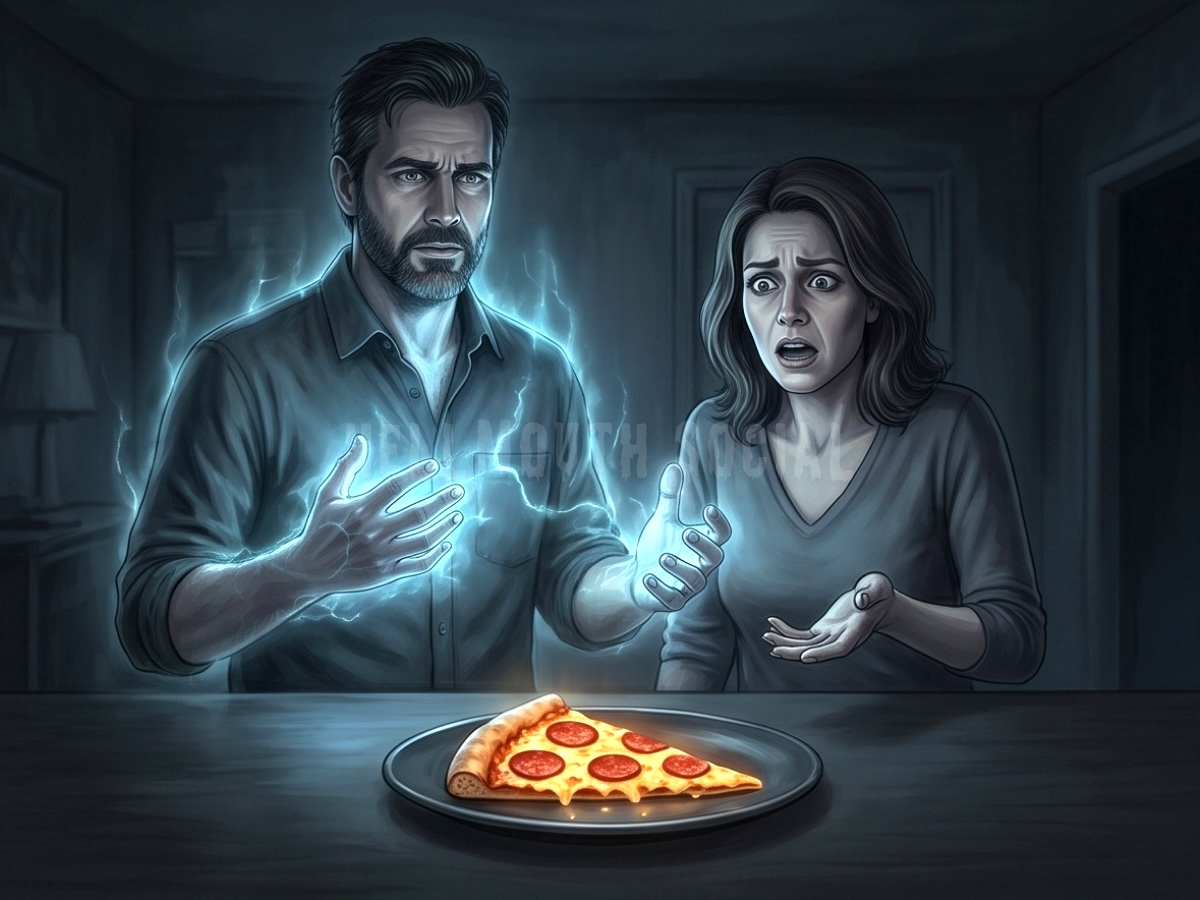
Fast forward to our current reality. We don't need "The Power" to age us. We have "The Spreadsheet" and "The Mortgage". Sociologically speaking, we are living through a period of Compressed Adulthood. Back in 2006, we were told we had all the time in the world to find ourselves. Now, if I even look at a screen with blue light after dinner, I wake up looking like I’ve been cursed by a rival warlock.
The movie’s "Price of Using" is the most accurate depiction of being in our 40s in the 2020s. We used to think the "Ascension" was about gaining ultimate power. Turns out, ascension is just when your cholesterol crosses the 200 mark and you start caring about the quality of your outdoor siding. The Sons of Ipswich were worried about losing their hair, and we’re worried about losing our health insurance!
2. The Death of the Brooding Loner in a Connected World
The aesthetic of The Covenant was peak "Brooding Male".
Everyone was a secret.
Everyone had a dark past.
They communicated in meaningful glares and heavy sighs. In 2006, privacy was a luxury we didn't know we were about to lose. We lived in the sunset of the "Anonymity Era". If you wanted to be a magical weirdo, you just went to a boarding school in Massachusetts and didn't post about it.
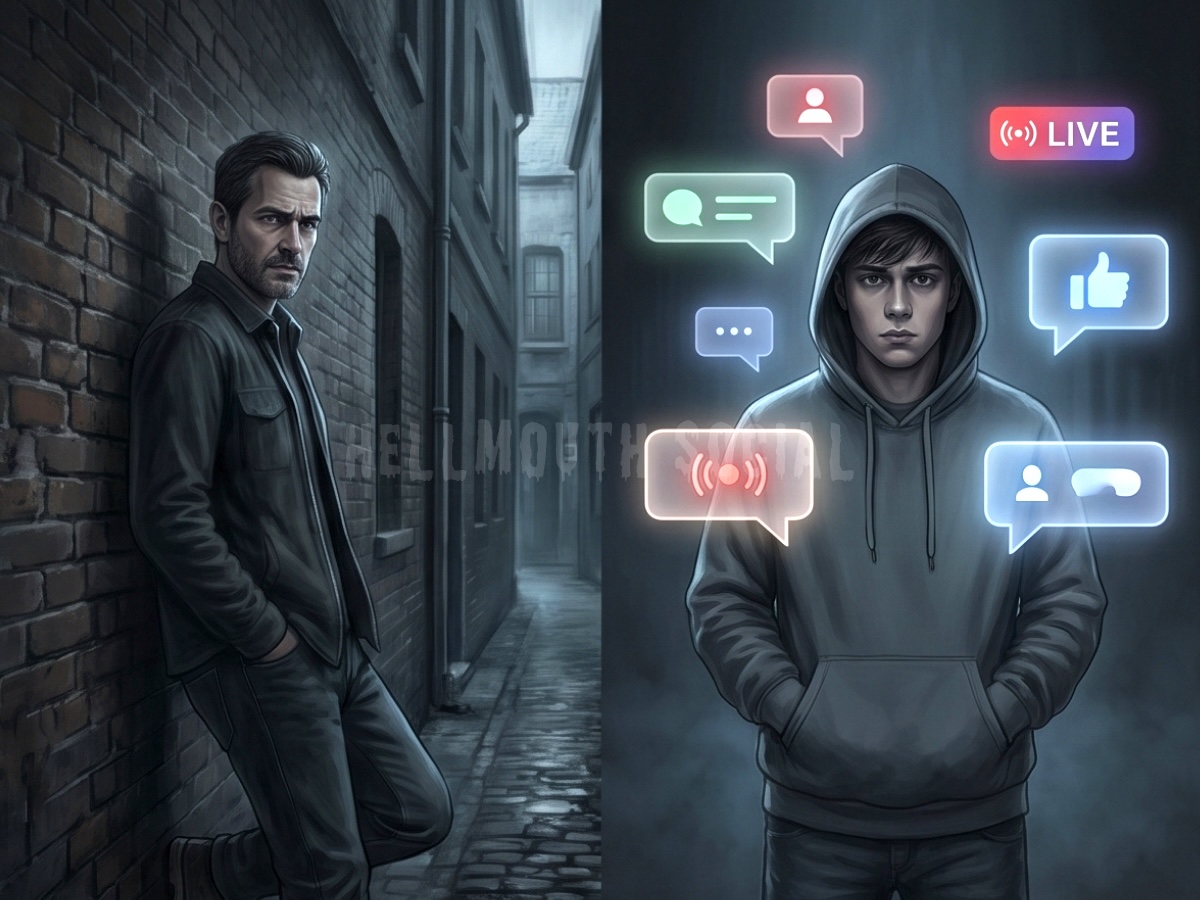
Try being a Son of Ipswich today. You’d have a disgruntled ex-girlfriend leaking your "Ascension" ceremony on a short-form video app before the first candle was lit. There is no mystery left in 2026. Modern sociology calls it the Transparent Society, but I call it "The Reason I Can't Go to the Grocery Store in My Pajamas."
The boys in the film were terrified of their secrets being revealed to the "mundanes". Today, people reveal their deepest traumas for likes before they’ve even finished their morning coffee. The Ipswich boys took a vow of silence; we take a vow to "link in bio".
Watching them try to keep a secret feels like watching a silent film — quaint, adorable, and completely impossible in an era where everyone is their own brand manager.
3. Privilege, Nepotism, and the 'Colony' Lifestyle
The core of the movie is about the "Five Families". It’s about bloodlines, inheritance, and the weight of what our ancestors left us. In 2006, this felt like a cool gothic trope. In 2026, it feels like a commentary on the "Nepo Baby" discourse and the widening wealth gap.
The Sons of Ipswich didn’t work for their magic; they were born into it. They’re the original trust fund babies, but instead of a hedge fund, they inherited the ability to explode things with their minds. As Xennials, we were raised on the myth of meritocracy — the idea that if you worked hard, you’d get the "magic" too.
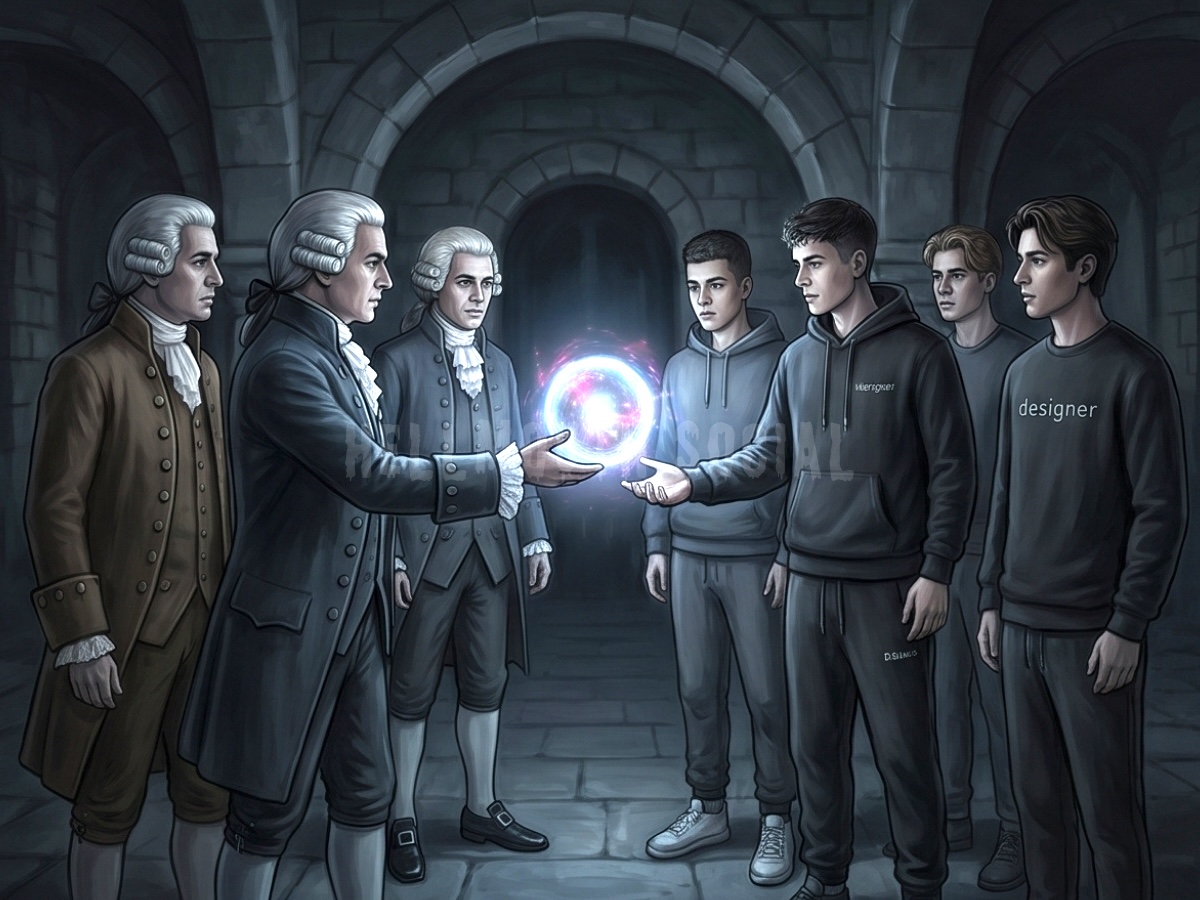
Now, we look at the "Five Families" and realize they represent the gatekeeping of the modern era. While we’re out here debating if we can afford the premium gas for the SUV, these kids are complaining that their "unlimited cosmic power" makes them look tired. It’s the ultimate 2006 flex. Today, we’re more interested in community care and "decentralizing power", while the Ipswich boys were basically a gated community with supernatural security. They were the 1% before we had a catchy name for it.
Conclusion: Is the Power Still Worth It?
The Covenant is a beautiful, ridiculous relic. It represents a time when we thought being "edgy" meant wearing a lot of black leather and standing in the rain without an umbrella (because, you know, we didn't have smartphones to ruin).
Looking back from the vantage point of middle age, the movie isn't really about magic. It’s about the fear of growing up and the realization that everything we "consume"— whether it's power, career ambition, or just too much caffeine — takes a little bit of our soul in exchange.
We might not be able to throw fireballs, but we’ve survived the transition from analog to digital, from "Hope" to "Checking the News with One Eye Closed".
We’ve already "ascended", folks. It didn't come with glowing eyes or the ability to levitate, but it did come with the wisdom to know that the real "Power" is finally finding a pair of jeans that are actually comfortable.
So, here’s the question: If you could trade five years of your life right now for the ability to never have to do laundry or attend another "sync" meeting again, would you take the Ipswich deal?