Why 1998 Demons Are Easier to Manage Than a 2026 Zoom Call
Wassup my fellow survivors of the "Oregon Trail" and the dial-up screech! I recently went back to the Halliwell Manor — not literally, because I can’t afford that property tax on a blogger’s salary — to re-watch the second episode of that show about the three sisters with specific powers. You know the one. Season 1, Episode 2. It’s titled after a Sinatra song, and honestly? It’s a sociological time capsule that smells like Vanilla Fields perfume and unearned optimism.
Watching this in our current era of "everything is a subscription service and my fridge is spying on me" is a trip. Back then, the biggest threat wasn't a data breach or a global pandemic; it was a guy who looked like a catalog model for a mid-range department store trying to steal your youth.
Honestly, in 2026, if a demon offered to take my wrinkles in exchange for my "essence", I might actually check my calendar to see if I have an opening.
1. The "Youth at All Costs" Grift (Pre-Filters)
In this episode, we meet a charming fellow named Javna. His whole vibe is basically the 1998 version of a predatory Instagram algorithm. He lures young women in with the promise of a "photoshoot" — the ultimate Gen X/Xennial dream of being "discovered" — and then sucks the youth right out of them, leaving them looking like they’ve spent forty-eight hours straight in a fluorescent-lit DMV.
From a sociological standpoint, it’s fascinating! In the late 90s, the "Beauty Myth" was an external monster. You had to go to a sketchy studio to get exploited. Today? We carry the soul-sucker in our pockets.
We’ve democratized the theft of our own self-esteem.
We don't need a demon to make us feel like we’ve aged fifty years.
We just need to catch a glimpse of ourselves in the "no filter" camera setting after a three-hour doomscroll!
Back then, the Halliwell sisters were horrified by a man stealing someone’s glow. Today, we’d just call that Standard Corporate Burnout and prescribe a $14 green juice. The episode highlights a time when "losing your beauty" was the ultimate horror trope. Now, as 40-somethings, the real horror is waking up with a neck cramp because you slept on the wrong pillow.
2. Professional Boundaries? Never Heard of Her.
Prue — the eldest, the "responsible" one — is out here trying to secure a job at an auction house. Watching her navigate her professional life is like watching a silent film about a world that no longer exists. She actually has to go places. There are no Slack notifications pinging while she’s trying to vanquish a warlock.
The social hierarchy of the 90s workplace was so beautifully rigid. You had a boss, you had an office, and you had "work hours". In this episode, the tension comes from her trying to balance a supernatural calling with a 9-to-5. Today, the boundary is non-existent. If Prue were a millennial lead today, she’d be expected to live-stream the exorcism while also updating her LinkedIn "Open to Work" status.
There's a specific brand of Xennial Hustle depicted here — that earnest belief that if you just work hard and don't let your sisters accidentally blow up the kitchen, you can have it all. Sociology tells us this was the peak of "individualism" before the gig economy turned us all into stressed-out freelancers. Watching her stress over a career in art history feels so quaint when most of us are just trying to figure out if our jobs will be replaced by a chatbot by next Tuesday.
3. Sisterhood as the Original Social Safety Net
The core of the episode is, of course, the "Power of Three". In 1998, this was a feminist rallying cry. But looking at it through 2026 eyes, it looks more like a survival strategy for a failing social infrastructure.
The sisters live in a giant inherited house. Let’s be real: that’s the only way anyone our age is "making it" these days. The "Power of Three" sounds like it’s about chanting in a basement. But, really it’s about the communal living we’ve been forced back into because the housing market is a literal hellmouth!
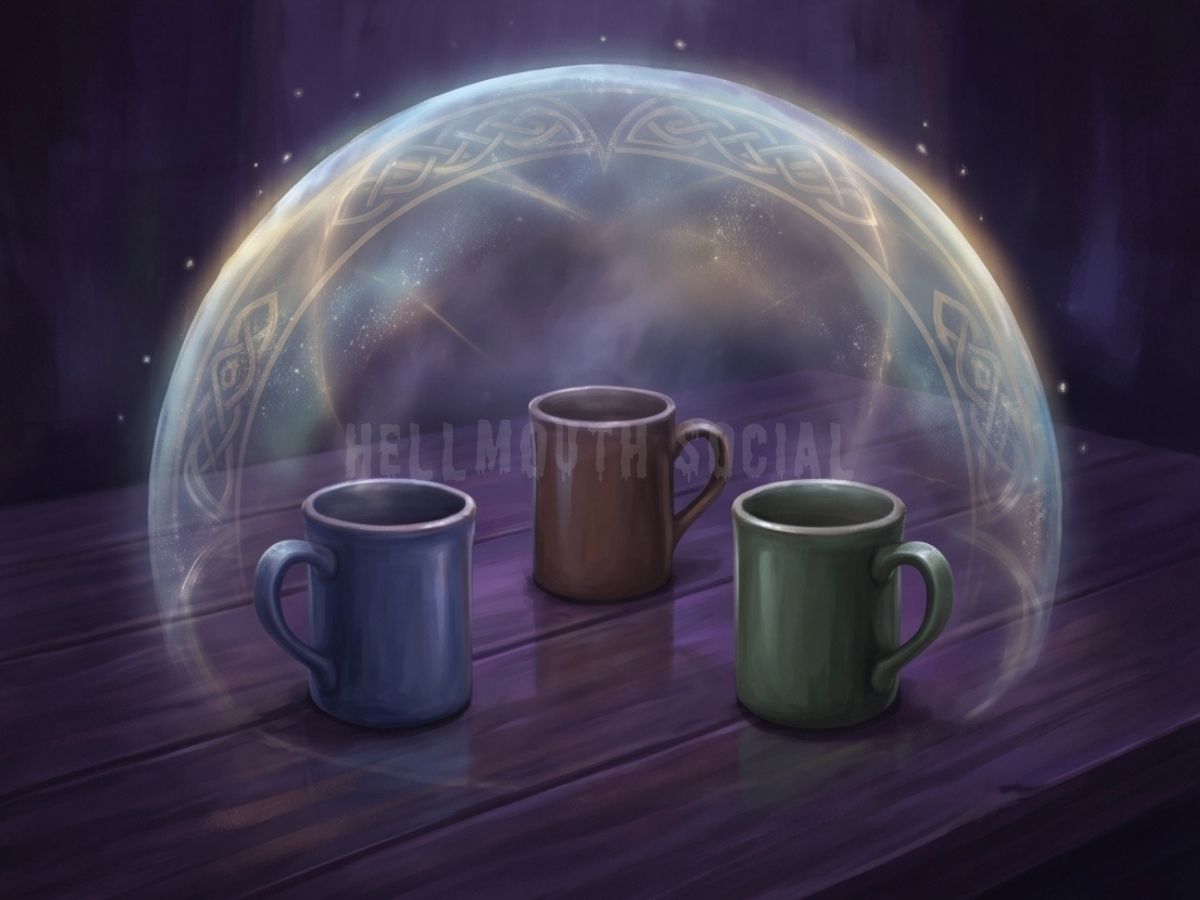
The episode emphasizes that they are stronger together than apart. In the 90s, this felt like a choice. In the mid-2020s, it feels like a necessity. We’ve moved from the "Independence" of our 20s to the "Radical Interdependence" of our 40s.
Whether it’s splitting the cost of a streaming service or helping a friend through a mid-life crisis via a group chat that has 4,000 unread messages, we are living the Halliwell life — just with fewer capes and more orthopedic inserts.
The Bottom Line is… We’re All a Little "Skinless" Now
Ultimately, "I've Got You Under My Skin" reminds us that the monsters haven't really changed — only their methods. In 1998, the demon stole your face to stay relevant. In 2026, the "demons" are the societal pressures to stay "ageless", "productive", and "connected" 24/7.
We might not have an ancient book in the attic to give us the answers, but we do have the collective cynical wisdom of a generation that remembers life before the internet and survived the transition into whatever this is.
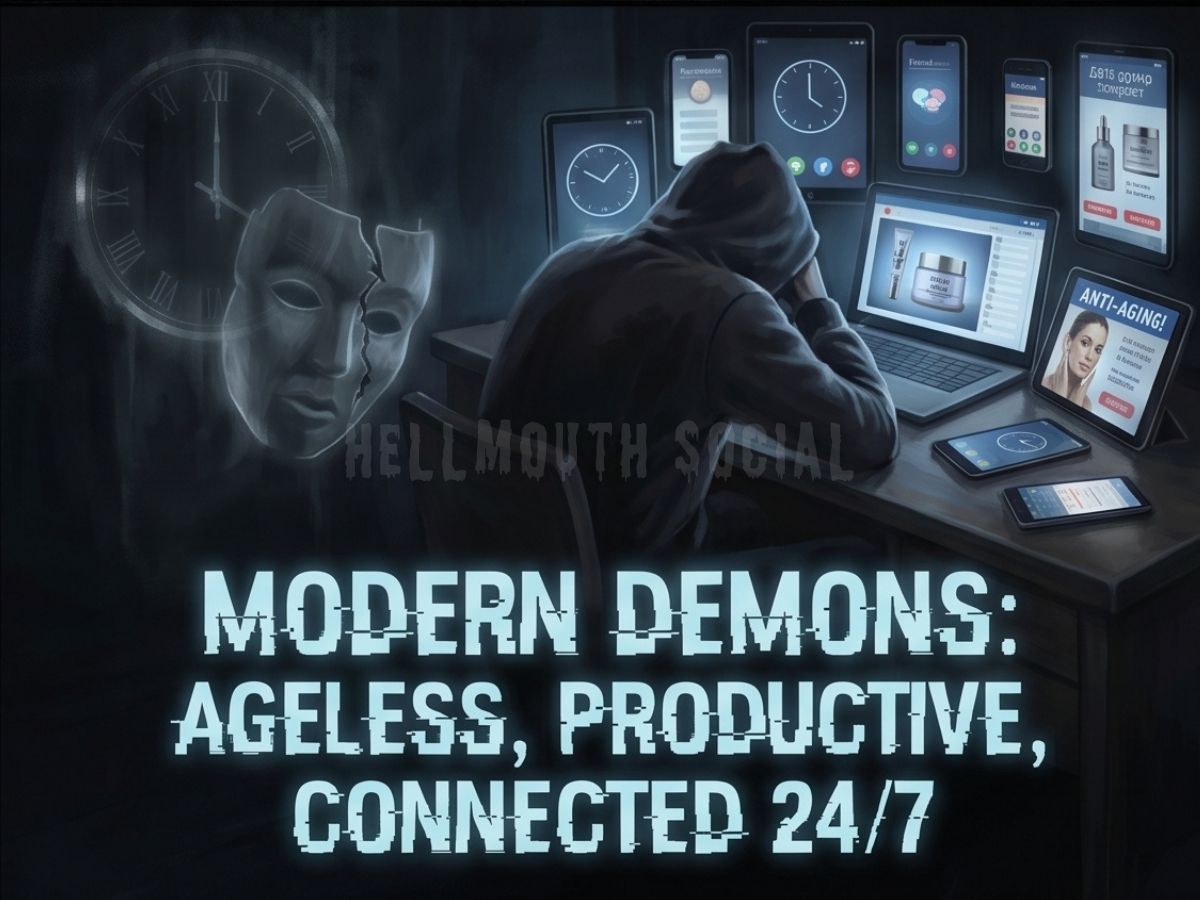
We’ve learned that the real magic isn't stopping time or moving objects with our minds. Instead, it's finding a way to stay authentic in a world that’s constantly trying to harvest our "essence" for clicks.
So, the next time you feel like your youth has been sucked out of you, don't look for a warlock. Just turn off your phone, grab your "sisters" (chosen or biological), and remember: at least we don't have to fight evil in platform flip-flops anymore. Unless they come back in style. Which, knowing our luck, they already have.