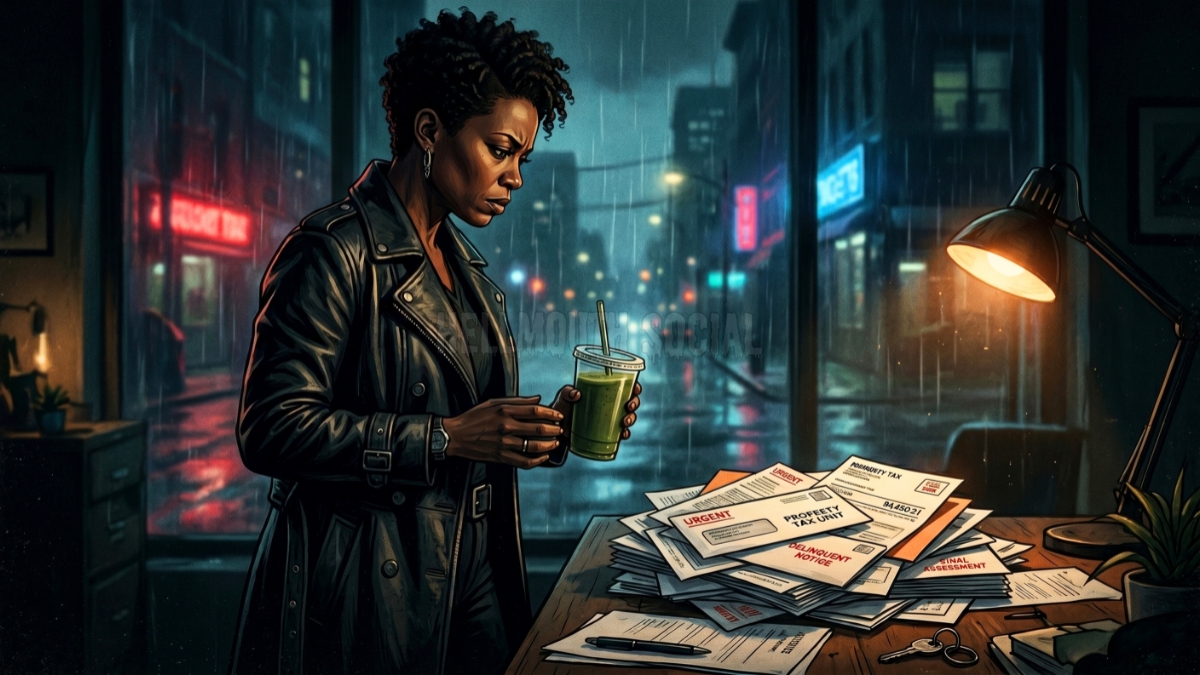
Bloodbaths and Beepers: Why Blade is Our Midlife Crisis
Pull up a chair — carefully, mind your lower back — and let’s talk about 1998. It was a simpler time. A time when we thought the peak of human achievement was a transparent blue iMac and when we genuinely believed that wearing head-to-toe black leather in a Los Angeles summer was a sustainable lifestyle choice.
Enter the movie Blade. Before the modern era of superhero fatigue, where every cinematic outing feels like a three-hour homework assignment on multiverse theory, we had Wesley Snipes in a pair of wraparound shades looking like the coolest person to ever exist.
I rewatched it recently, expecting a hit of nostalgia, but what I got was a full-blown sociological epiphany. Blade isn’t just a movie about a guy who "walks in the sun" and stabs vampires; it’s a terrifyingly accurate mirror of our transition from the nihilistic cool of the '90s to the "I hope this fiber supplement works" reality of 2026.
1. The Blood Rave vs. The 9:00 PM Bedtime
Remember the opening scene? That underground meatpacker rave where blood starts spraying from the sprinklers? In 1998, we watched that and thought, "Man, I wish I knew where that club was". We were the generation of industrial techno and questionable choices. We defined ourselves by our "subcultural capital" — basically, how much cool, underground stuff we knew about that our parents didn't.
Fast forward to today. If blood started spraying from the ceiling of a venue, I wouldn’t be worried about vampires; I’d be worried about the property damage, the insurance premiums, and whether the red stains would come out of my dry-clean-only "good" sweater.
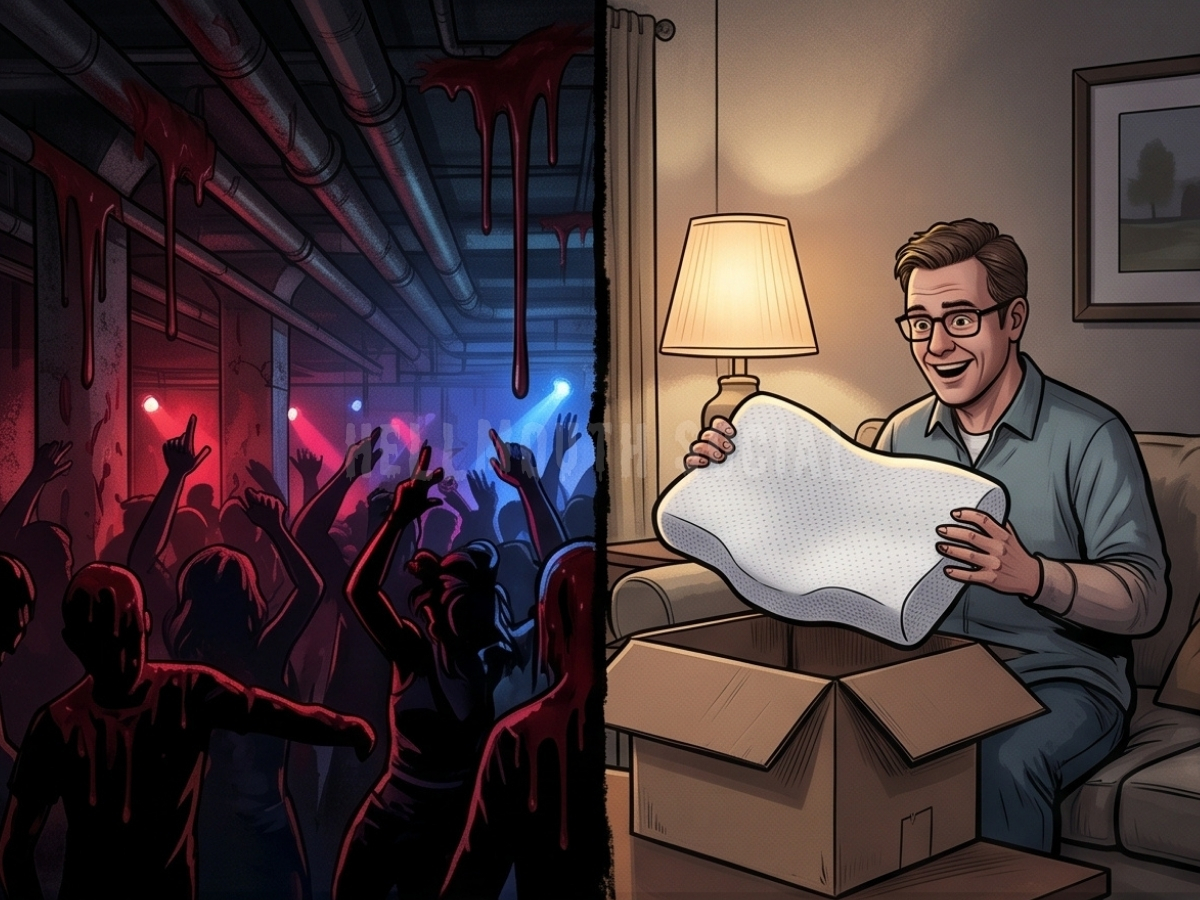
Sociologically speaking, we’ve moved from a transgressive culture to a risk-aversion culture. Blade spends the whole movie fighting the "Purebloods" — those stuffy, old-money vampires who run the world from boardrooms. Back then, we hated the "Man".
Now? Half of us are the middle-management version of the "Man", just trying to figure out how to use the corporate messaging app without accidentally sending a cat meme to the CEO. The rebellion is dead, guys. We traded the blood rave for a white noise machine and a solid eight hours of sleep.
2. Technology: From Cool Gadgets to Digital Handcuffs
Blade had the coolest gear. He had that silver stake-launcher, the UV grenades, and a modified muscle car that probably got four miles to the gallon but sounded like a literal god. But notice something? He was unreachable. When Blade was out doing his thing, he wasn't checking his notifications. He wasn't being pestered by a "vampire-hunting" app asking him to rate his latest kill or getting "pings" from his mentor, Whistler, about a missed Zoom call.
In the late '90s, we lived in the era of Disconnected Connectivity. You had a pager, maybe a brick-sized cellphone if your parents were loaded, but you still had privacy. Today, we are living in a sociological Panopticon. We are constantly monitored, tagged, and "reached out to." Blade’s struggle was about physical survival against a hidden predator.
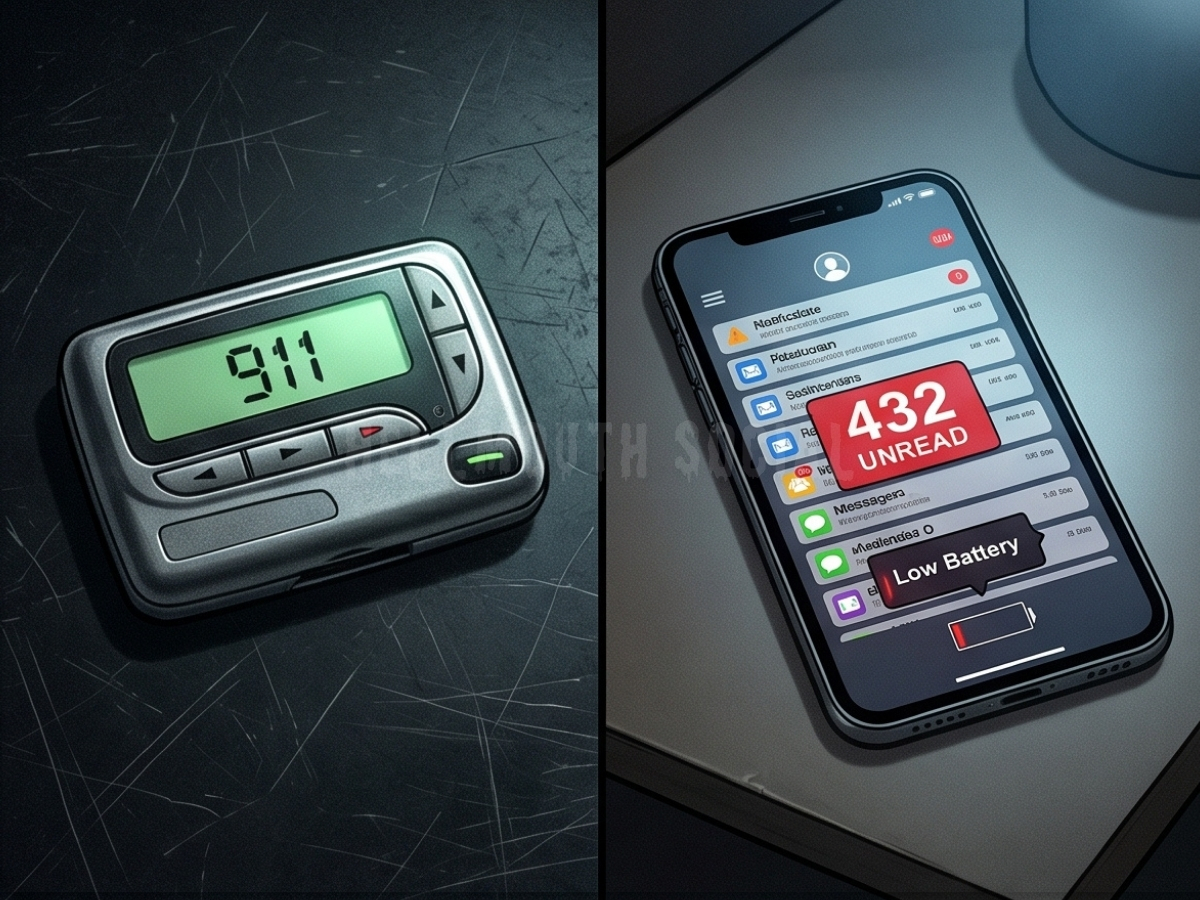
Our struggle is against the "attention economy". If Blade were made today, he’d probably have to stop mid-fight to fix a two-factor authentication error on his sword’s biometric grip. The movie reminds us of a time when "going off the grid" didn't require a digital detox retreat in Sedona. Instead, it just meant leaving the house.
3. The Villain’s Ego and the Death of Nuance
Let’s talk about Deacon Frost. He was the quintessential '90s villain: arrogant, tech-savvy, and obsessed with "disrupting" the old vampire order. He was basically a Silicon Valley tech bro before the term existed, just with more fangs and fewer fleece vests. He wanted to turn everyone into vampires because he thought the "old way" was boring.
Back in '98, Frost’s "us vs. them" rhetoric felt like standard movie tropes. But watching it now? It feels like an average Tuesday on any social media platform. The film depicts a society fractured into tiers — the humans (clueless), the familiars (the sell-outs), and the vampires (the elite). It’s a perfect metaphor for the hyper-polarization we deal with daily.
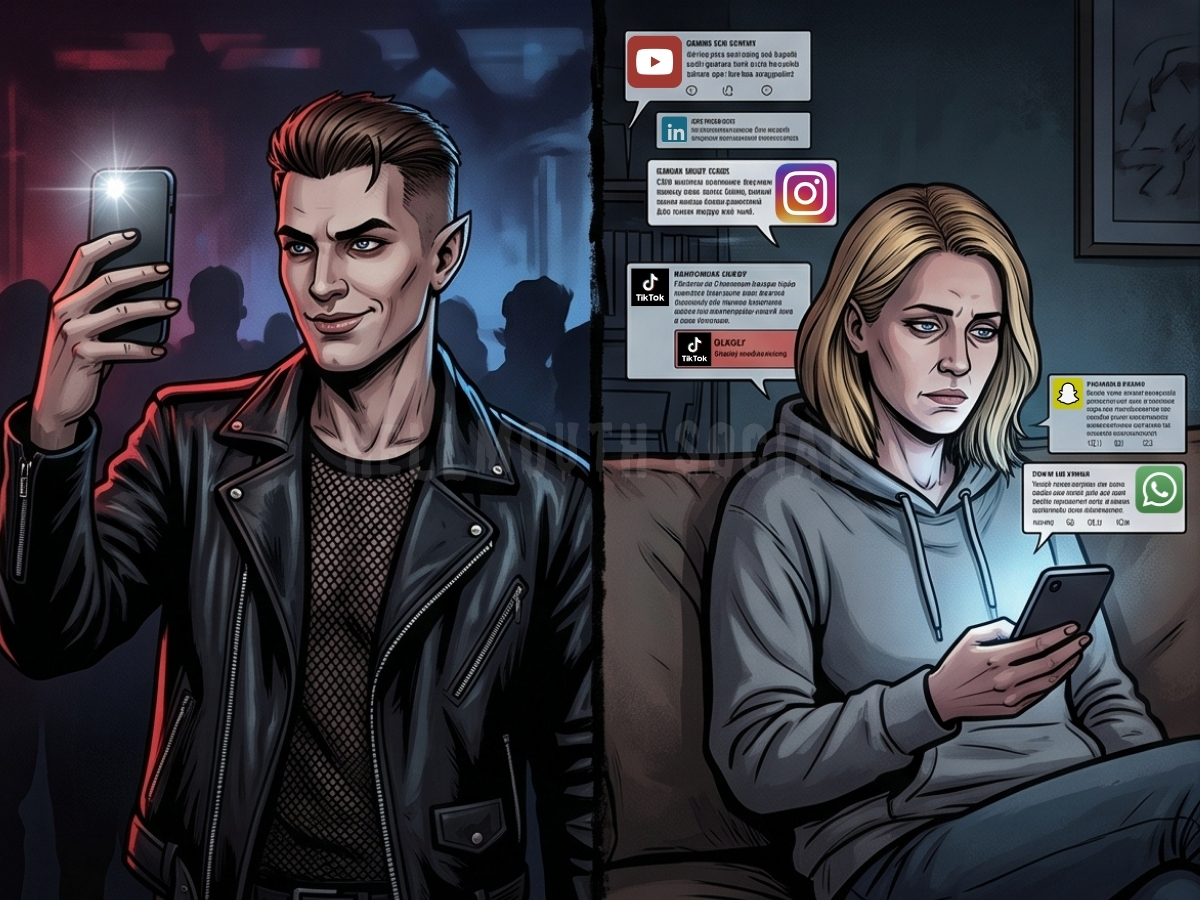
We’ve become a society of "familiars", desperately trying to align ourselves with whatever vampire power structure promises us a bit of safety or clout. Blade (a.k.a the "Daywalker") is the ultimate outsider. He doesn’t fit into any camp.
As Xennials, we used to pride ourselves on that "whatever" attitude — the ability to stand outside the system and mock it. Now, the system is so loud and all-encompassing that being a "Daywalker" just feels like being exhausted.
Slaying the Suck: Why 1998 Was the Last Great Year to Be Human
Watching Blade in your mid-40s is a trip. It’s a reminder that we once valued "cool" above "comfortable", and "mystery" above "metadata". We’re the last generation to remember what it was like to be a human in a world that wasn't yet fully "vampirized" by 24/7 digital capitalism.
So, what’s the takeaway? Maybe we don’t need to wear leather dusters to the grocery store (though, honestly, why not? It hides the muffin top). But maybe we can reclaim a little bit of that 1998 Blade energy.
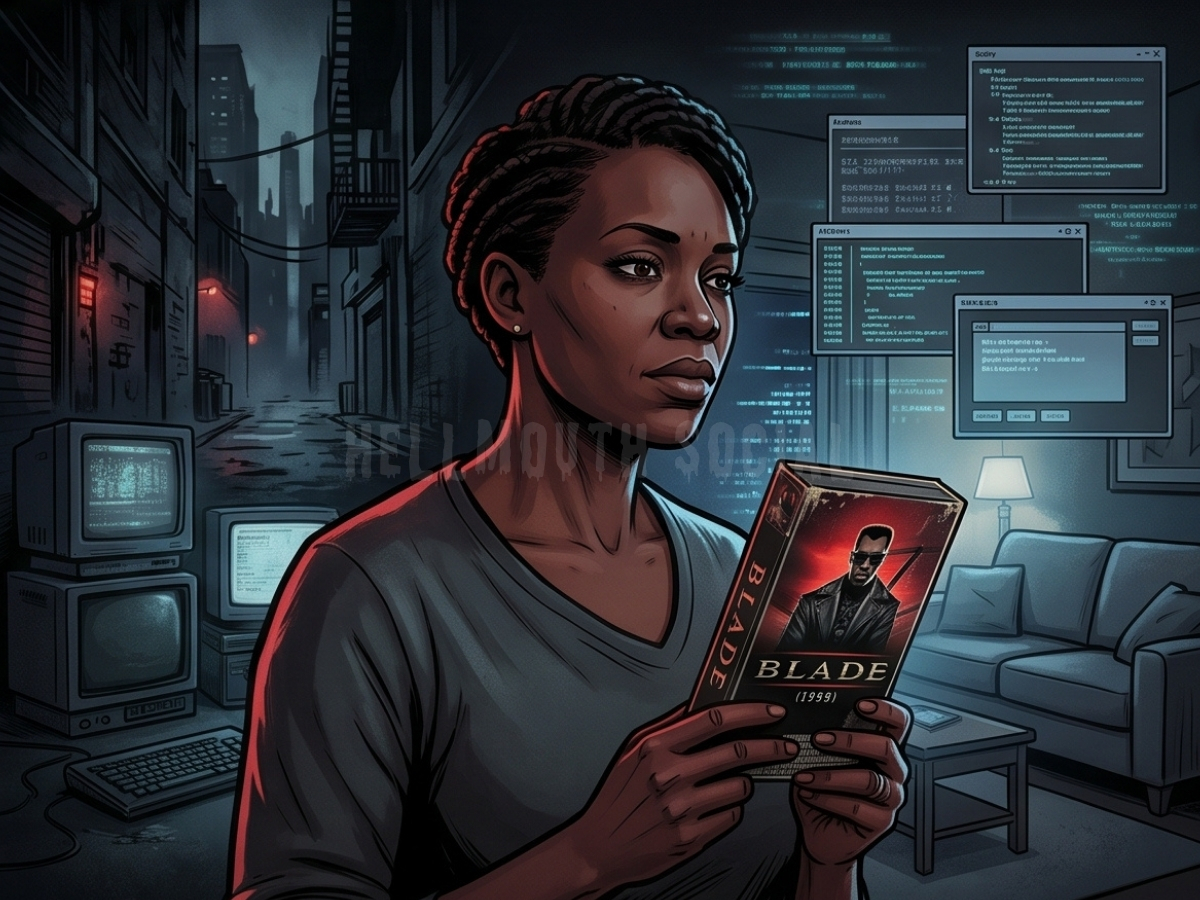
Let’s try to be a little less reachable, a little more skeptical of the "purebloods" in their corporate towers, and for the love of everything holy, let’s stop worrying about the "sprinklers" and just enjoy the music.
Now, if you’ll excuse me, I have to go put some ice on my knee. I stood up too fast while thinking about the '90s. Stay thirsty, my friends — but, you know, for water. Drink more water. It’s good for your skin.