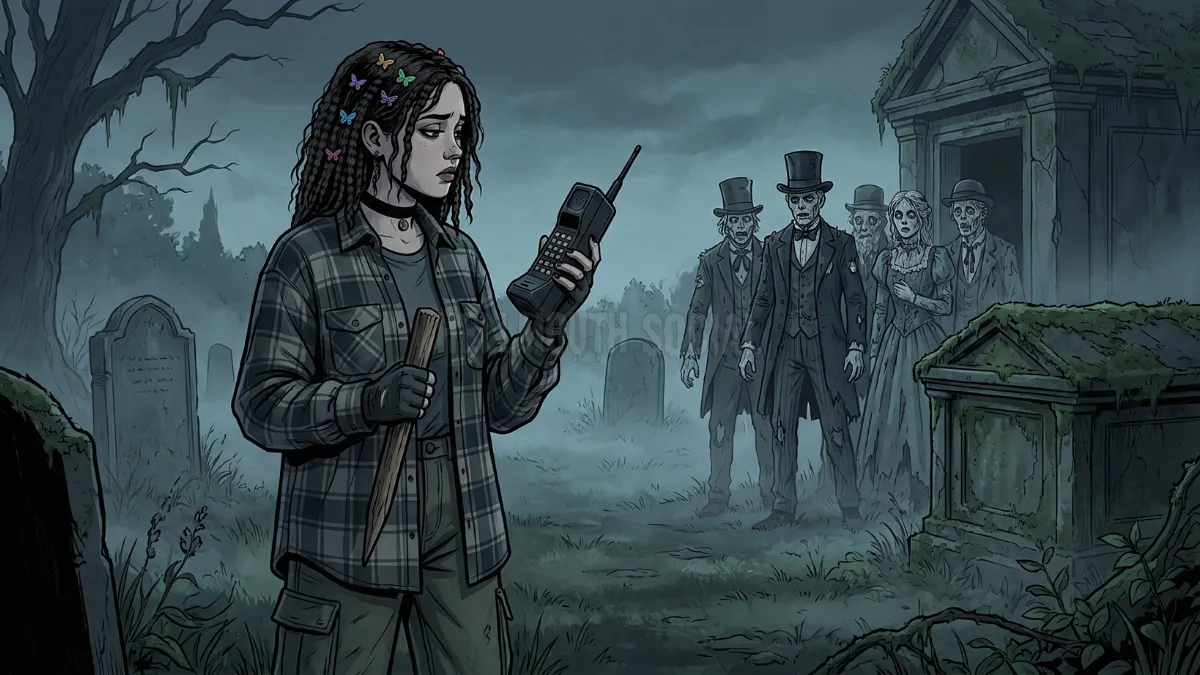
From Crop Tops to Coffin Drops: Why The Harvest is a Mood
Welcome back to Sunnydale, the only town on Earth where the wrong side of the tracks is everywhere and the property value is surprisingly stable despite the nightly disappearances. If you missed our last meeting of the "I Survived the '90s and All I Got Was This Imposter Syndrome" club, we’re dissecting The Harvest.
For those of you currently sitting in your ergonomic office chairs wondering if that neck pain is a disc issue or a metaphorical vampire bite from your boss, this episode is for you. In 1997, we thought a "Harvest" was just something involving a tractor or maybe a very intense trip to a farm. Little did we know it was actually a masterclass in how society treats teenagers — essentially as walking juice boxes for the powerful. Let’s dive into the sociology of the Hellmouth, shall we?
1. The "Vibe Check" from the Deepest Pit of Despair
In The Harvest, we meet the Master — a guy who clearly missed the memo on the "vampires are sexy" trope that eventually ruined the genre. He’s stuck in a hole, literally and figuratively, waiting for his big moment. From a sociological perspective, this is the classic Old Guard clinging to power.
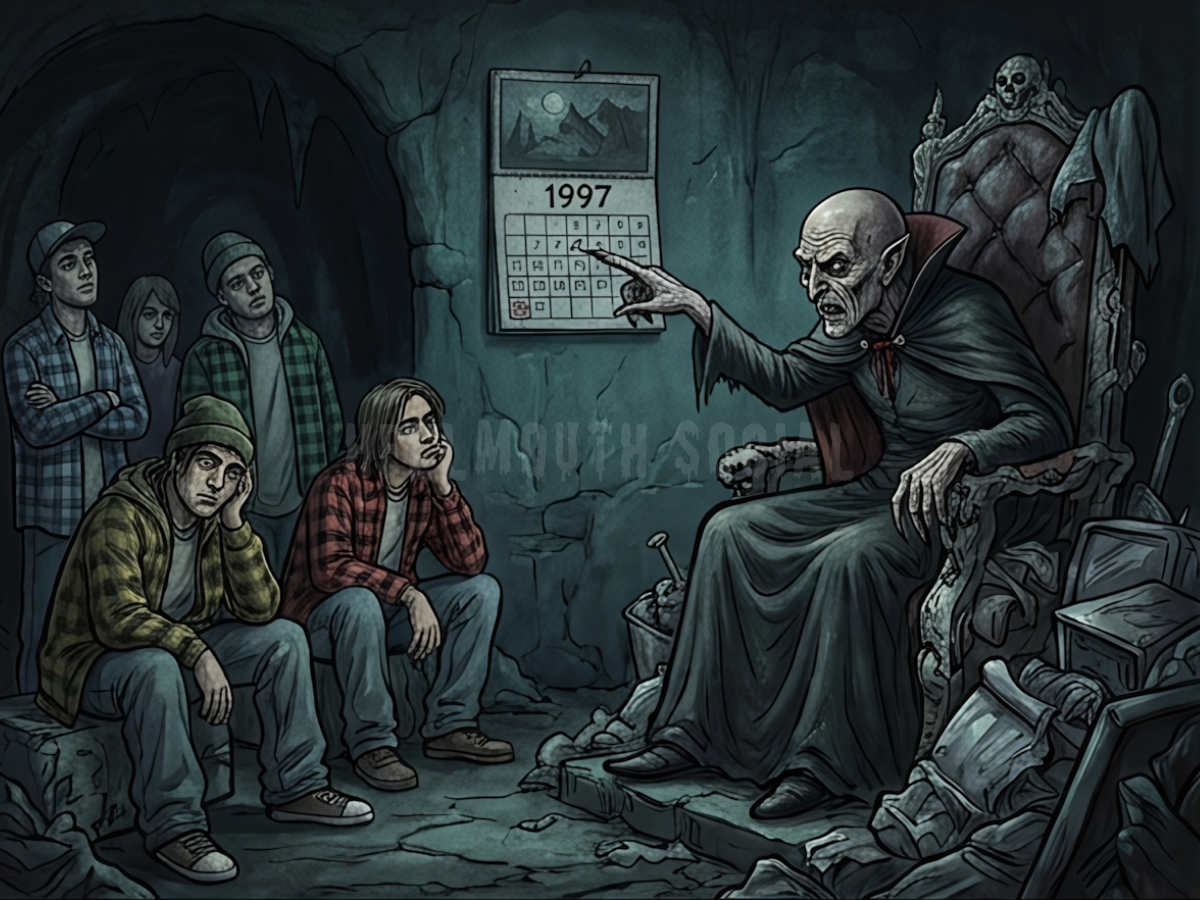
Think about it: The Master represents that one senior VP at your firm who refuses to learn how to use the latest software and still insists on "face time" in the office. He’s obsessed with ritual, ceremony, and the "Vessel". In the '90s, we saw this as a spooky supernatural threat. As 40-somethings, we recognize it for what it is: Seniority-Based Gatekeeping.
The Master doesn't want to innovate; he wants to return to the "Good Old Days" when people were terrified and stayed in their place. He uses the Vessel — a young, athletic vampire — to do his dirty work. It’s the ultimate corporate metaphor.
The younger generation takes all the risk and does all the cardio, while the guy at the top gets all the nutrients. Sound familiar? It’s basically every unpaid internship you had in your twenties.
2. Peer Pressure is a Literal Death Trap
Let’s talk about the local club, The Bronze. In the '90s, the local hangout was the epicenter of social hierarchy. If you weren't there, did you even exist? This episode highlights the "Social Magnetism of Danger". Our hero is trying to warn everyone that the party is literally going to be a slaughterhouse, and what do the teens do? They go anyway because the "in-crowd" said it was the place to be.
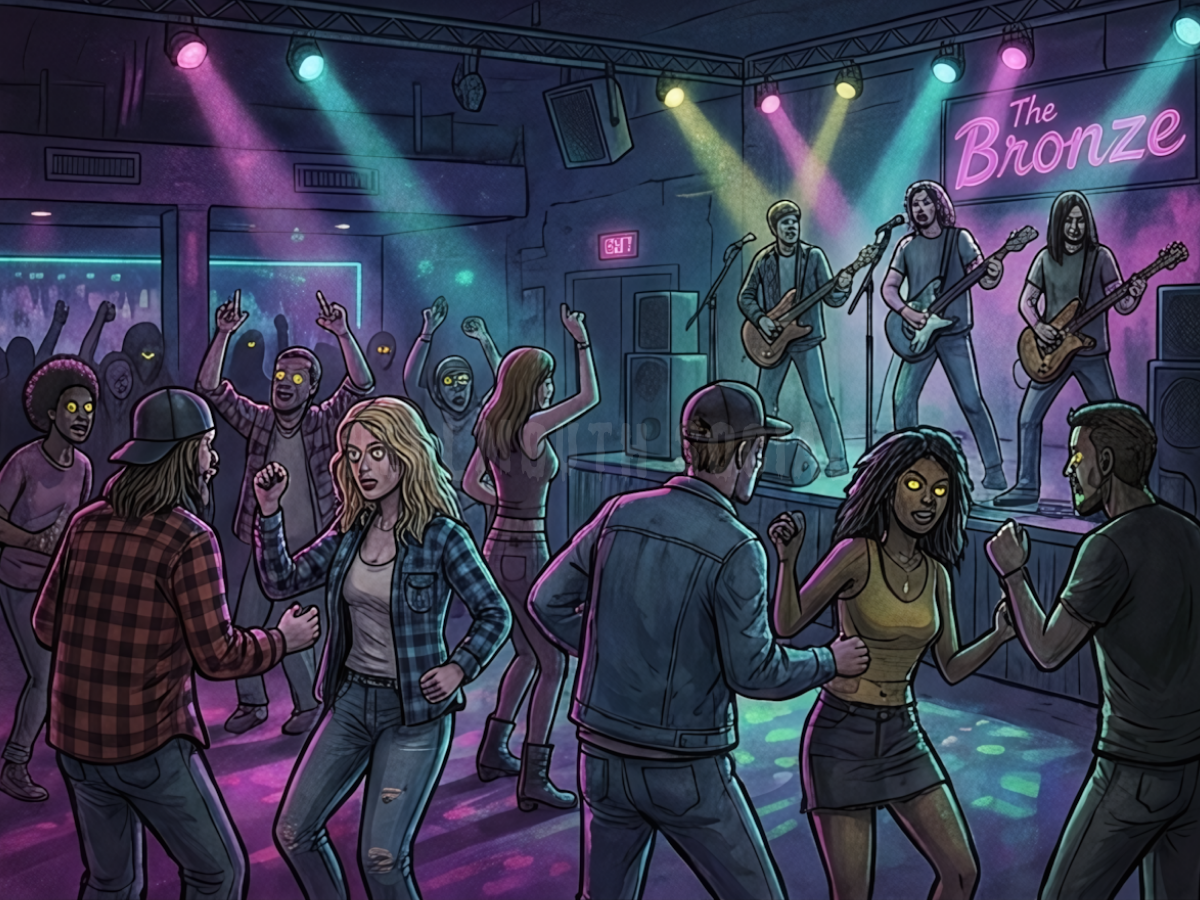
Sociologically, this is Normative Social Influence on steroids. As Xenials, we remember the pressure to fit in. We wore platform sneakers that defied the laws of physics and comfort just because everyone else did. In this episode, the stakes are higher (pun intended), but the logic is the same: I’d rather be eaten by a demon than be socially irrelevant.
Watching this today, as women who now consider "staying in" a competitive sport, it’s hilarious. The protagonist is sprinting around trying to save lives, and we’re sitting here thinking, "Girl, just let them go. If they’re dumb enough to stay in a club when the exits are chained, that’s just Darwinism at work". We’ve traded our fear of vampires for a fear of a 9:00 PM start time.
3. The "Chosen One" Burden (Or: Why We’re All Tired)
Our hero is told she is the "One Girl in All the World". This is the ultimate gifted and talented kid trauma. She’s given all the responsibility, zero pay, no benefits, and her mentor just keeps giving her more books to read.
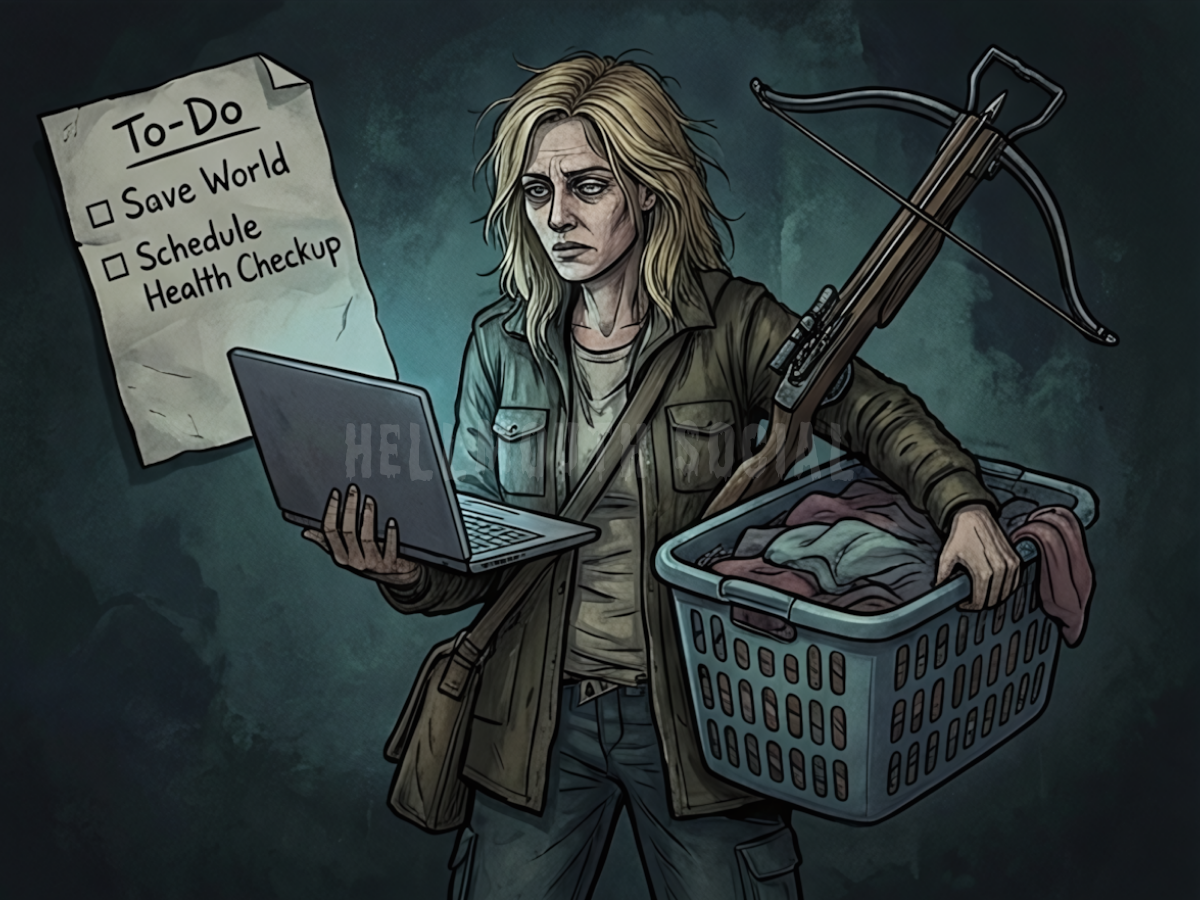
In The Harvest, we see the birth of the "Superwoman" trope that our generation swallowed whole. We were told we could "have it all" — the career, the family, the flawless skin, and the ability to fight off the forces of darkness before the first bell rings. The protagonist is the patron saint of the Burnout Generation. She has to save her friends, stop a literal apocalypse, and still find a way to deal with her mom’s expectations.
As 40-something women, we feel this in our bones (which, by the way, are much creakier than a teenager's). We are the Slayers of our households. We’re slaying the grocery list, slaying the school fundraiser, and slaying the existential dread of middle age. The "Harvest" isn't a one-time event for us; it's every Tuesday when the Wi-Fi goes out and the cat throws up.
The Final Verdict: Was the '90s Actually Scarier?
Looking back at The Harvest, it’s easy to laugh at the rubber masks and the questionable fashion choices. But the core message hits harder now: society is built on systems that want to drain you dry, whether it’s a subterranean demon or a predatory subscription service.
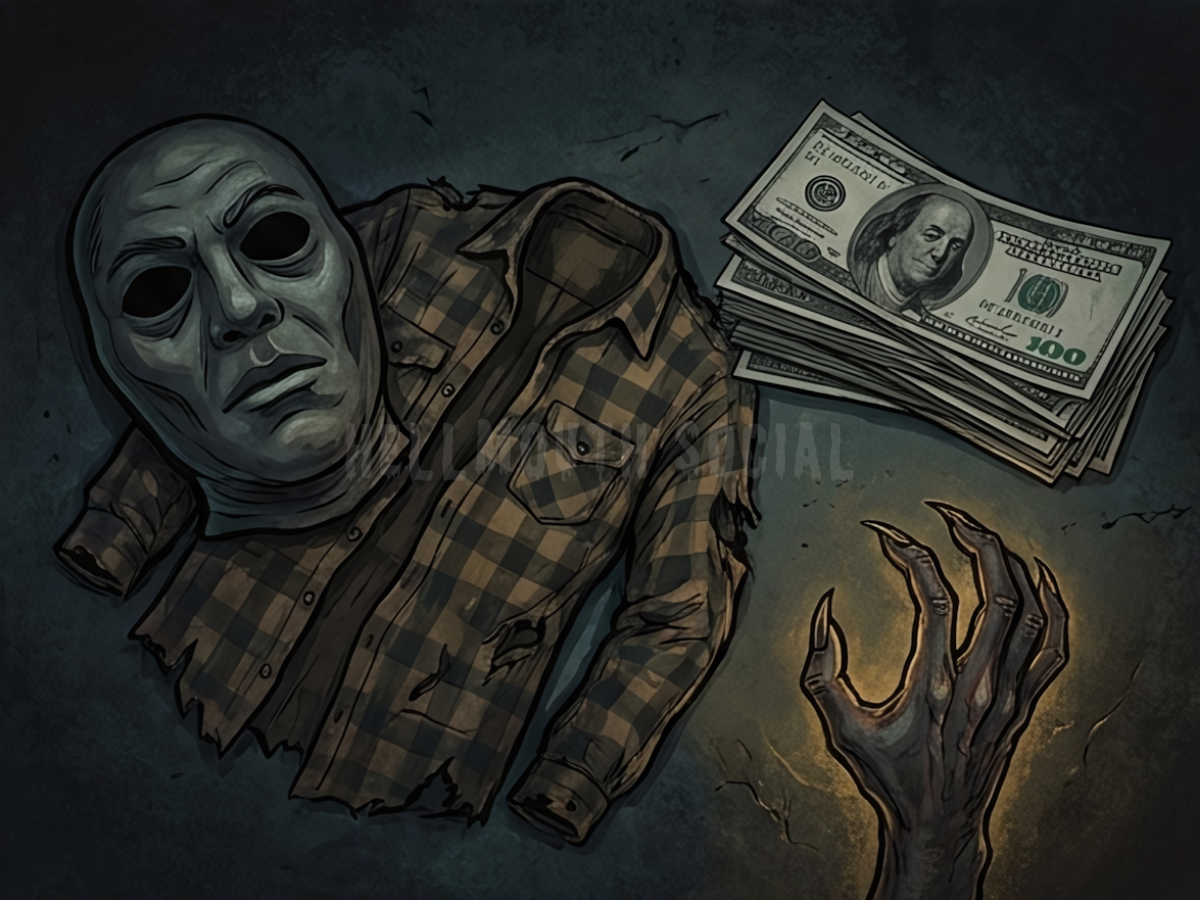
The hero won because she stopped waiting for permission. She didn’t wait for the principal or the police; she grabbed a piece of wood and did the damn thing. Maybe that’s the lesson for us as we navigate our mid 40s. We don't need a prophecy to tell us we're in charge. We just need to remember that even if the world is ending, we still look great in a leather jacket.
Now, if you’ll excuse me, I need to go hunt down some ibuprofen and see if I can find a "Vessel" to do my laundry. Stay thirsty — but, you know, not that kind of thirsty.