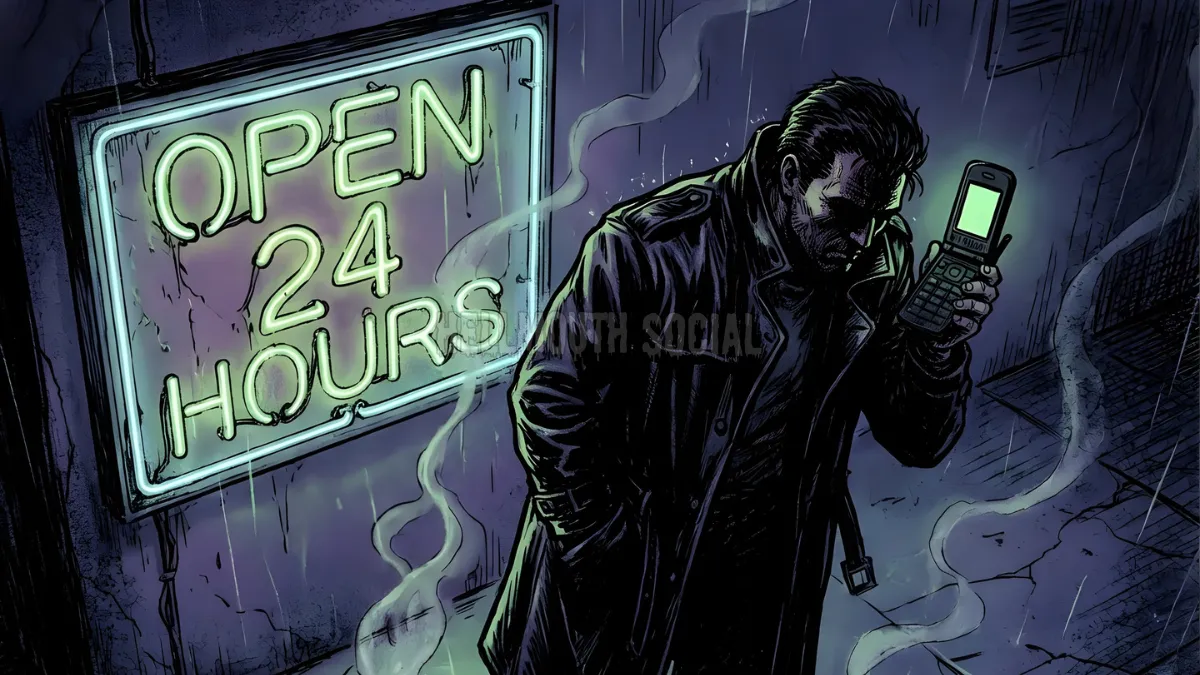
LA: Where Your Soul Goes to Die (and Get a Great Tan)
Welcome to Los Angeles, the city where dreams go to get a coffee and never come back. If you’re a Xenial like me, you probably remember 1999. It was a time of Y2K panic, baggy suits, and the realization that the chosen one narrative was actually just a fancy way of saying "unpaid internship".
Enter our tall, dark, and broody protagonist. He’s moved from the suburbs of a small town to the concrete jungle of the West Coast. Sound familiar? It’s basically the plot of every Gen X/Millennial bridge-dweller who thought moving to a major city would solve their existential dread. Except, instead of a podcast, he starts a private investigation firm. Because back then, we actually talked to people instead of just lurking on their LinkedIn profiles.
1. The Urban Jungle: Where Proximity Doesn’t Mean Connection
Sociologically speaking, "City of..." is a masterclass in Urban Anomie. That’s a fancy academic term for feeling like a ghost while standing in a crowd of eight million people. For those of us hitting our mid-40s now, this hits differently. In 1999, the city was the place to be — the epicenter of "making it". Today, we’re mostly just trying to figure out if we can work remotely from a place where the air doesn't taste like pennies.
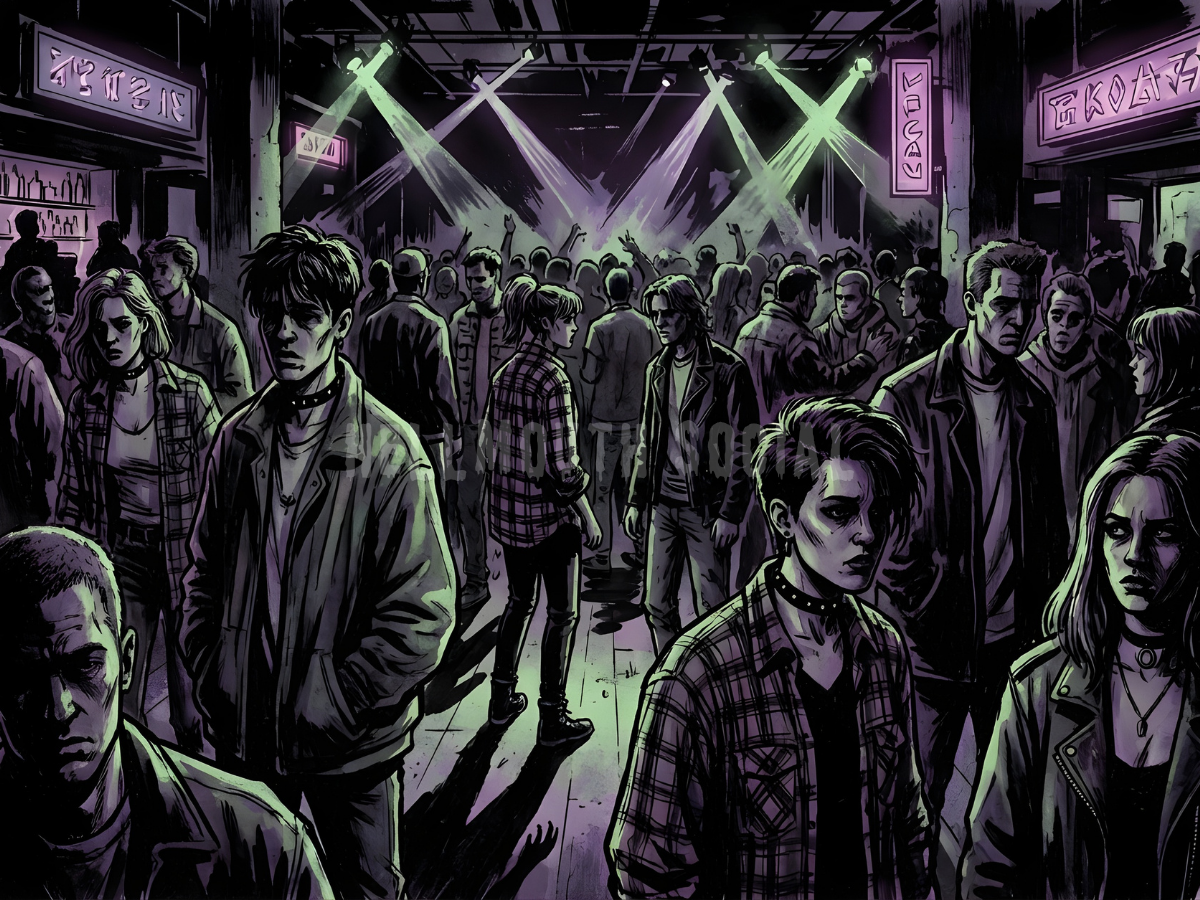
In this premiere, the city is depicted as a predatory organism. It preys on the young, the hopeful, and the people who still think a multi-level marketing opportunity is a career path. Our hero realizes that the city doesn’t just house monsters; it creates them.
The systemic isolation of the urban environment makes it easy for the vulnerable to slip through the cracks. It’s the original ghosting. Back then, if you disappeared, people assumed you’d joined a cult or moved to Portland. Now, we just assume you’re "taking a break from socials".
2. The Career Pivot: From Hero to Entry-Level Grunt
Remember the first time you realized your degree in Liberal Arts was about as useful as a screen door on a submarine? That’s the energy here. Our guy is a literal champion, but in the city, he’s just another guy in a basement office trying to figure out how to pay the bills. He’s joined by a "starlet" whose biggest role was a commercial for a product that probably caused hair loss.
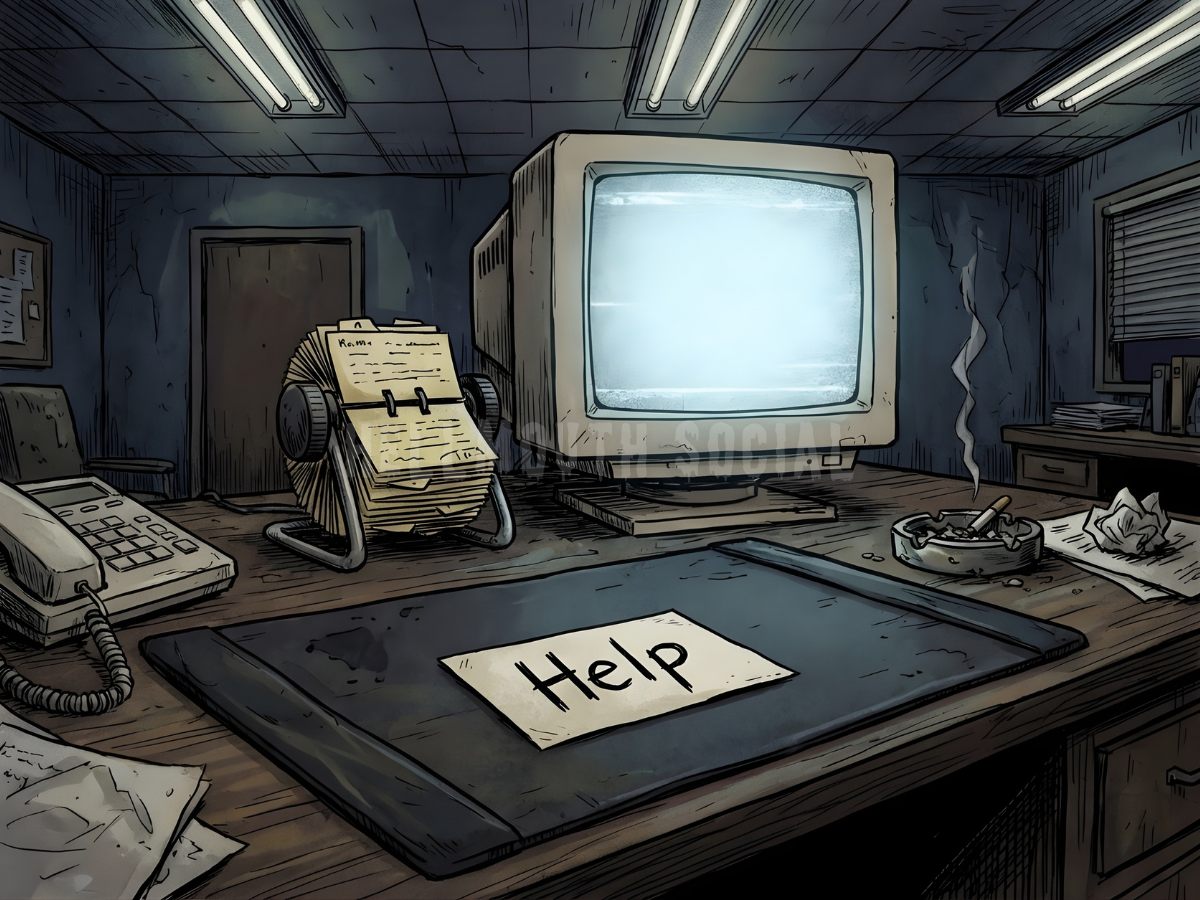
This is the ultimate Xenial experience: the Downwardly Mobile Dream. We were promised the corner office; we got the collaborative coworking space (read: a table near the bathroom). The episode highlights the commodification of people. In LA, you’re not a person; you’re a "type." You’re a "look". You’re a "demographic".
Watching this through the lens of a 40-something professional today, it’s a hilarious reminder of the hustle culture we birthed. We invented the "side-hustle" before it was a buzzword — we just called it "having three jobs because rent is 70% of our income".
3. The Power of One (Or Just One Guy and a Really Big Sword)
In the 90s, we were obsessed with the Individualist Hero. One person could change the system if they were grumpy enough and had enough leather in their wardrobe. The premiere sets up a classic sociological conflict: the individual versus the corporation. In this case, the corporation is literally evil (standard for 1999, and honestly, standard for 2026).
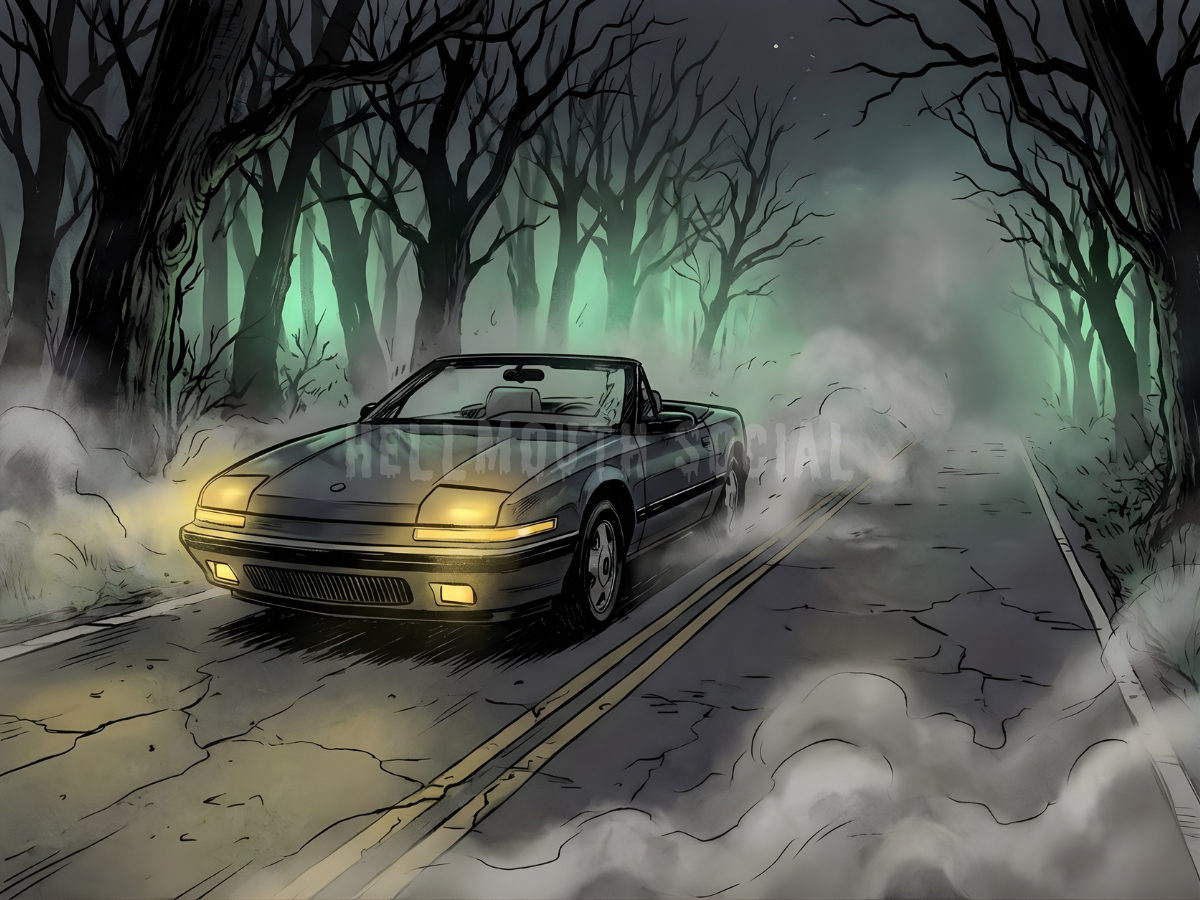
But there’s a warmth under the sarcasm. The episode argues that in a city designed to make you feel like a statistic, the only way to survive is to find your tribe — even if that tribe consists of a failed actress and a guy who talks to higher powers. For those of us navigating the mid-life transition, this is the most relatable part.
We’ve realized that the big win isn't becoming the CEO; it's finding the two or three people who will actually help you move a couch without complaining. It’s the shift from wanting to save the world to just trying to save one person from a bad situation. It’s small-scale heroism, and it’s the only thing that actually works.
The Bill Comes Due
So, what have we learned from our broody friend’s first day on the job? Mainly that the more things change, the more they stay the same. The phones got thinner, the suits got tighter, and our joints got creakier, but the core struggle is eternal. We’re all just trying to find some agency in a system that views us as data points.
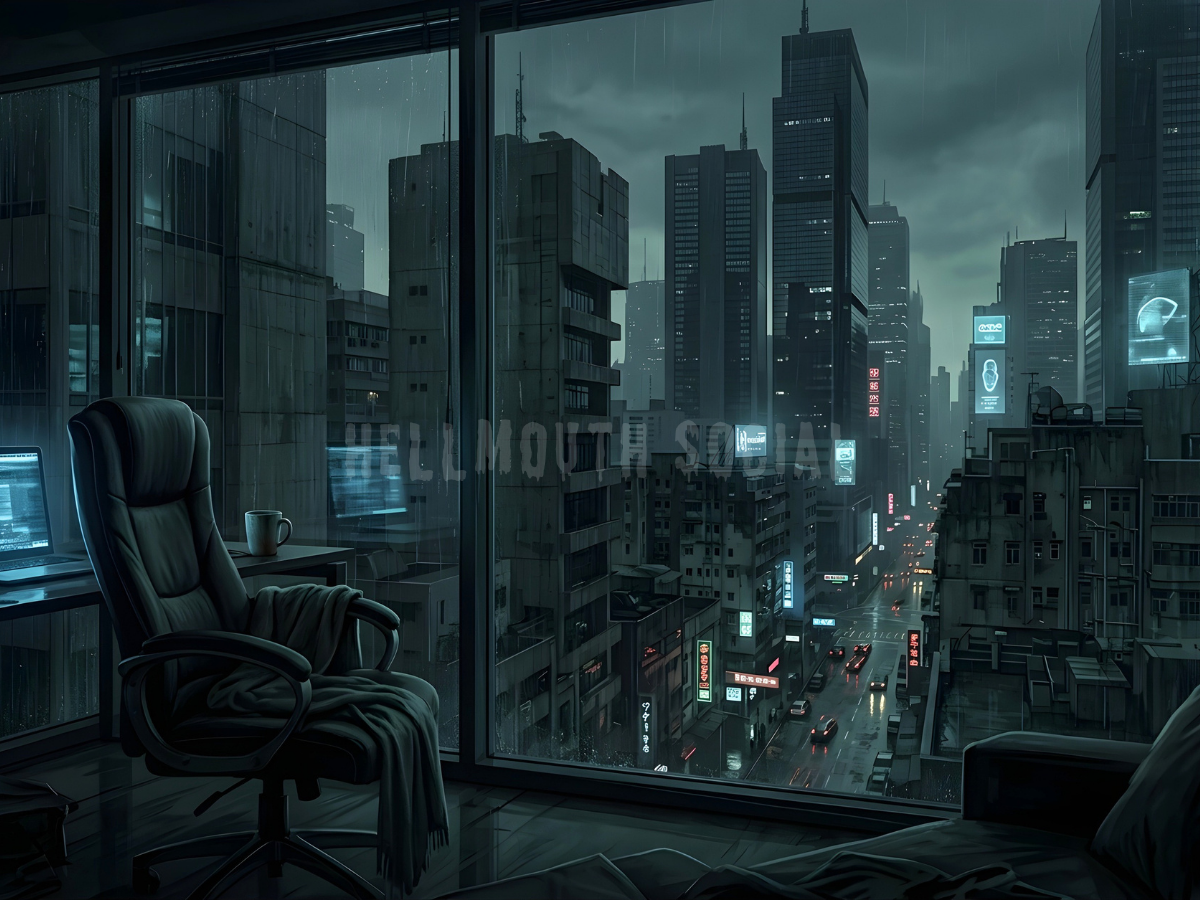
As you sit there in your ergonomic chair, perhaps nursing a slight back ache from literally just waking up this morning, ask yourself: Are you the one helping, or are you just another face in the crowd waiting for a sign? The city is still hungry, the "demons" just wear better shoes now, and the help-wanted ads are all on an app.
But the mission remains the same. If you can help one person navigate the darkness today, you’re doing better than most. Just try not to do it in a leather duster — it’s 80 degrees out and you’re not 25 anymore. You’ll chafe.