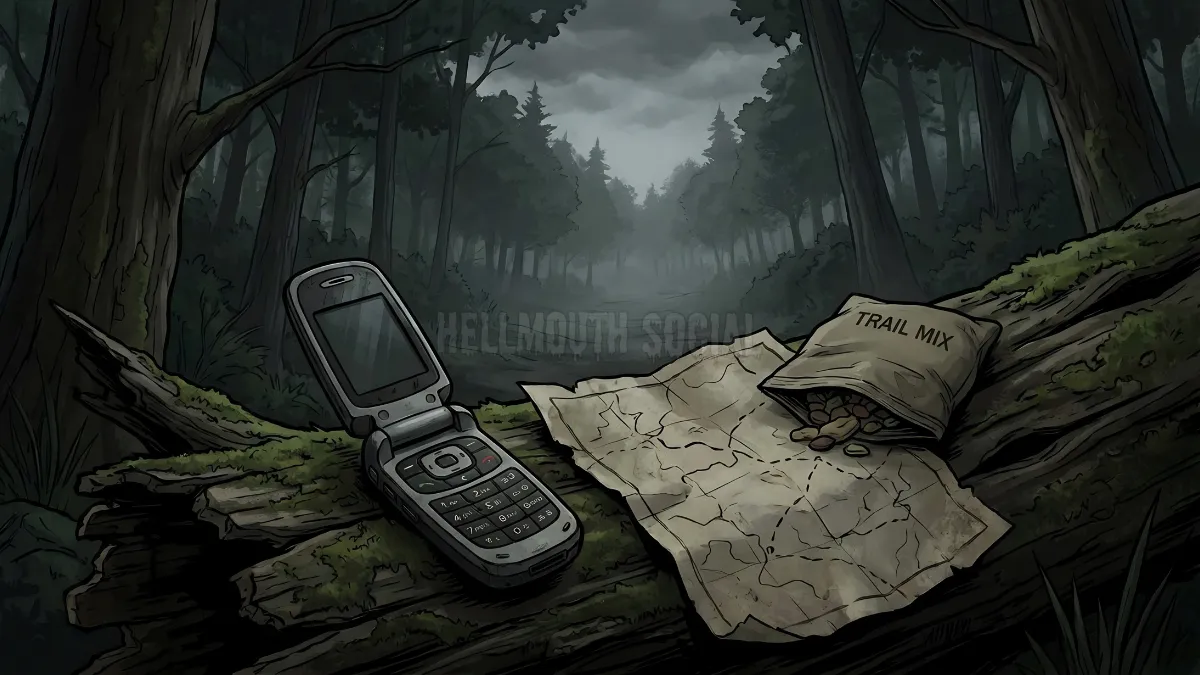
Prowling the Woods: Why Your 2005 Camping Trip Was a Death Trap
Listen, if you’re a Xennial like me, your 2005 was probably defined by low-rise jeans, Ugg boots, and an irrational fear of being eaten by something in the woods because two brooding brothers in a classic muscle car told you so.
I recently revisited the second episode of that show about the guys hunting monsters — you know, the one where they head into the Blackwater Ridge to find their dad but end up playing "Who’s the Predator?" with a skinny, hungry forest-dweller. Yeah, I’m talking about episode Wendigo of the first season of ‘Supernatural’.
Looking back from the "safety" of my mid-40s, where my biggest outdoor threat is a property tax hike or a rogue tick, this episode is a time capsule of sociological gold. It’s a masterclass in how we used to handle isolation before we had 5G and AirTags.
Grab your flannel and your overpriced craft beer because we’re going back to the woods!
1. The Death of the "Off-Grid" Heroic Archetype
Back in 2005, going off the grid wasn't a trendy wellness retreat. It was more like what happens when you drive twenty minutes past a Taco Bell. In this episode, the survivalist vibes are heavy. We meet a group of hikers who are basically snacks-on-legs because they lack the one thing we now consider a human right: a constant GPS signal.
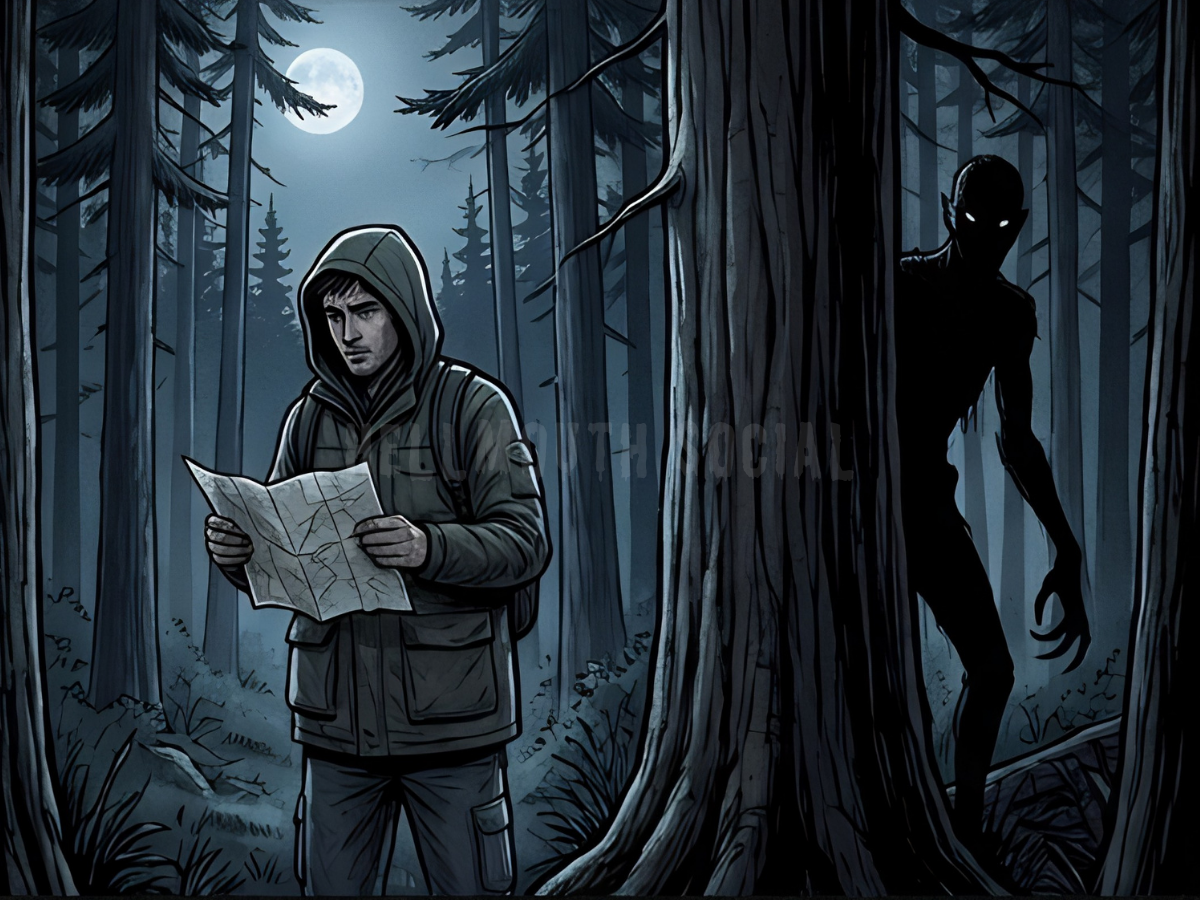
From a sociological perspective, the "Wendigo" episode highlights our transition from a society that valued rugged individualism to one that relies on digital tethers. Our protagonist brothers, Sam and Dean Winchester, are the last of a dying breed — guys who can actually read a topographical map without asking Siri for directions.
Today, if a cannibalistic forest spirit started picking us off, half of us would be dead because we’d be busy trying to find a signal to live-stream our own kidnapping.
The horror here isn't just the monster; it's the sheer, unadulterated silence! For a Xennial today, the idea of being in a forest where no one can text you "U up?" or "Your DoorDash is outside" is more terrifying than the monster itself. We’ve traded our survival instincts for a data plan, and this episode serves as a cold, damp reminder that nature doesn't care about your follower count.
2. Toxic Masculinity: The 2005 Special Edition
Ah, the mid-2000s. A time when "talking about your feelings" was something you only did if you were the lead singer of an emo band. In this episode, we see the blueprint for the Xennial male struggle: the "Suck It Up" protocol.
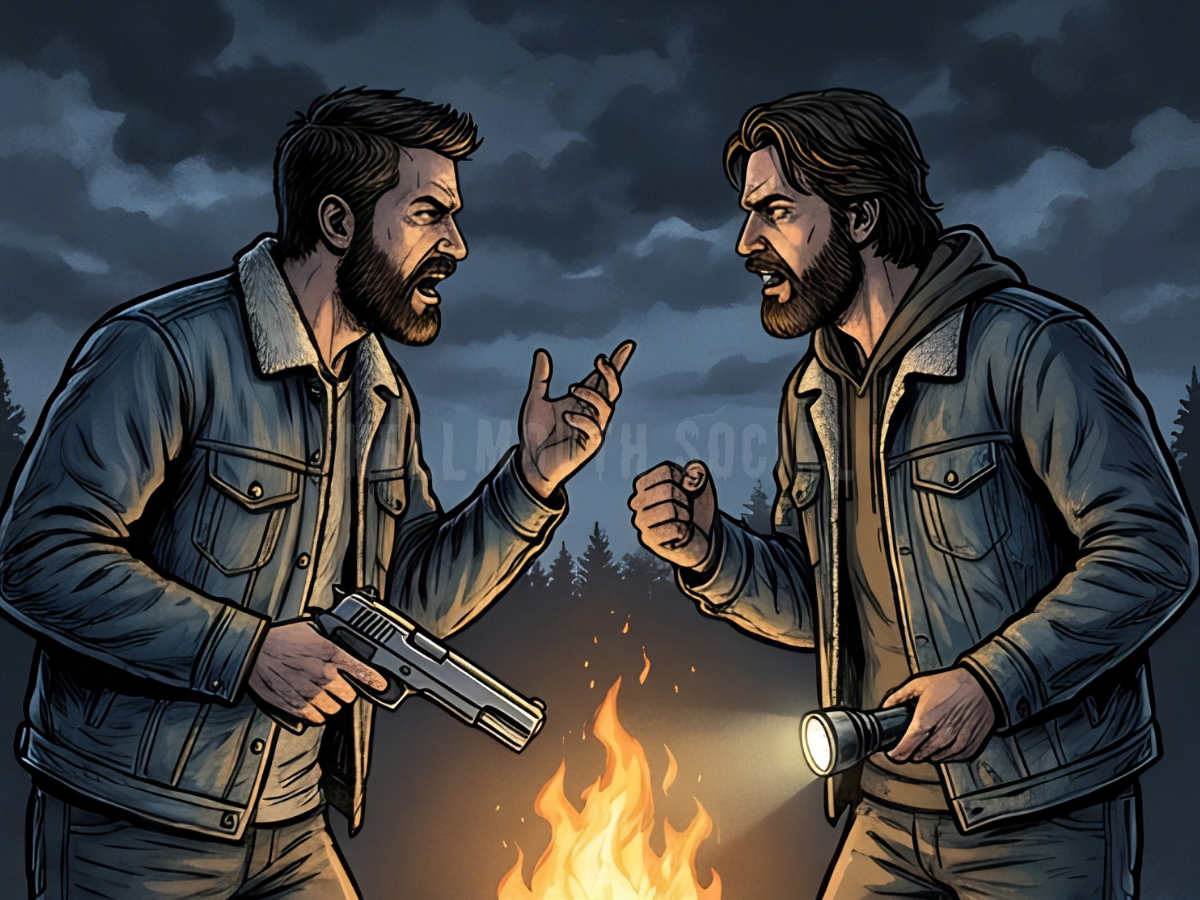
The younger brother wants to find their father and maybe, I don't know, have a brief emotional check-in? The older brother’s response is essentially, "Shut up, carry this heavy bag, and let's go kill something".
In 2026, we call this "repressed trauma." In 2005, we called it "being a lead character".
The sociology of the hunter lifestyle depicted here is fascinating. These guys are socially isolated by choice, bound by a code of silence and leather jackets. They represent the bridge between the Silent Generation’s stoicism and the modern era’s oversharing. Watching them now, I just want to hand them a weighted blanket and a therapy app.
But back then? We thought their emotional constipation was the height of cool. We watched them bond over silver bullets and flares because, God forbid, they bond over a shared sense of loss. It’s a hilarious look at how we used to define "strength" before we realized that maybe, just maybe, talking about the monster under the bed is more effective than just shooting it.
3. The "Found Family" vs. The Cannibalistic Roommate
The monster in this episode — the one that used to be human but ate its friends to survive a harsh winter — is the ultimate sociological cautionary tale. It’s the extreme version of "I’m not a people person". It represents the total breakdown of the social contract.
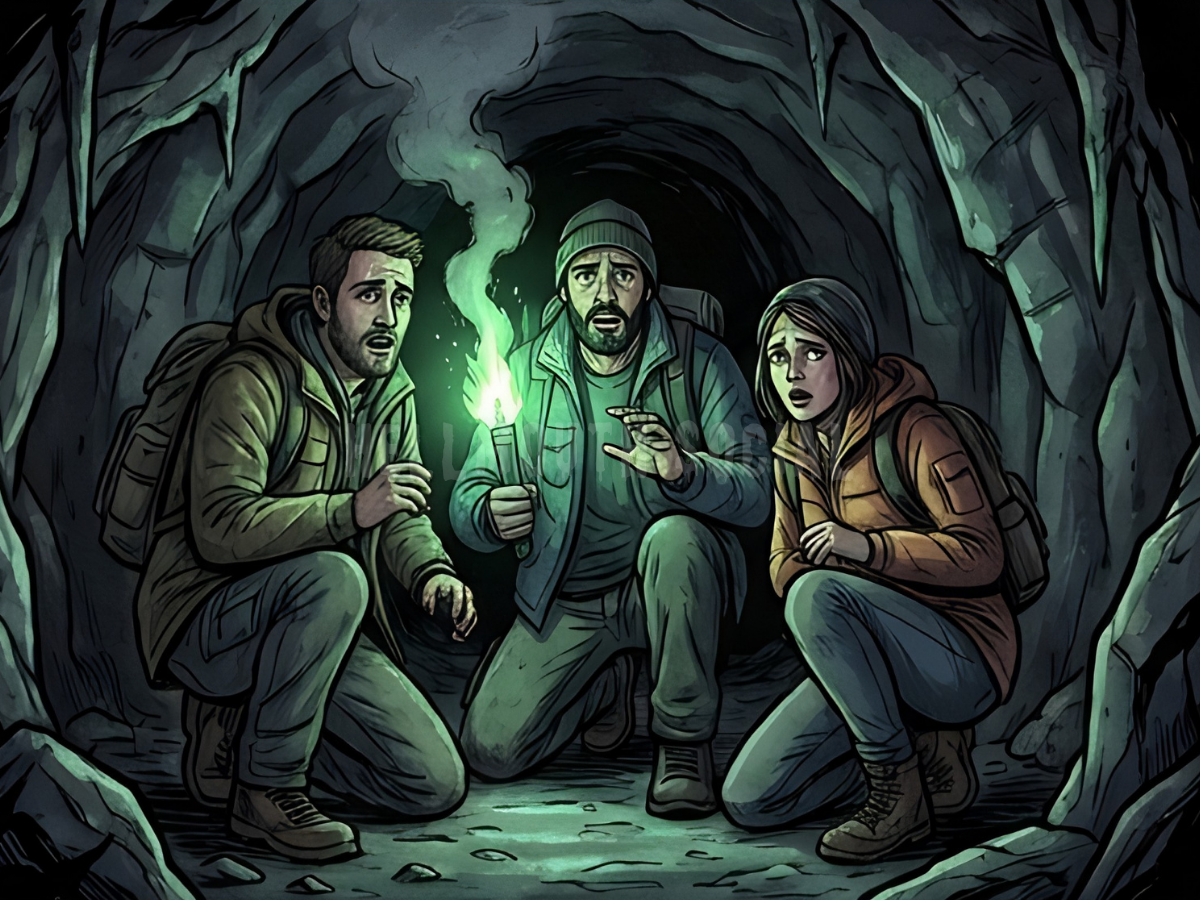
In our 40s, we’re all about community. We have neighborhood Facebook groups (which are their own kind of horror), PTA meetings, and brunch circles. We understand that survival depends on the group. But the monster is a loner. It’s the guy who didn't want to split the bill at the group dinner and took it to a supernatural extreme.
The episode pits this solitary, selfish hunger against the brothers’ fierce, almost pathological loyalty to each other. It’s a battle between "Me" and "Us". For a Xennial audience, this resonates. We grew up in the "Me" generation but are now the Sandwich Generation — taking care of kids and aging parents.
We see the monster and think, "Yeah, I get it, winters are hard and people are annoying", but then we see the brothers and remember that the only thing keeping us from becoming forest-dwelling creeps is the person willing to run into a dark cave to save our annoying hides.
The Mid-Life Crisis in the Woods
Ultimately, re-watching this episode is like looking at an old high school yearbook. You’re embarrassed by the hair, confused by the lack of technology, but strangely nostalgic for the simplicity of the stakes.
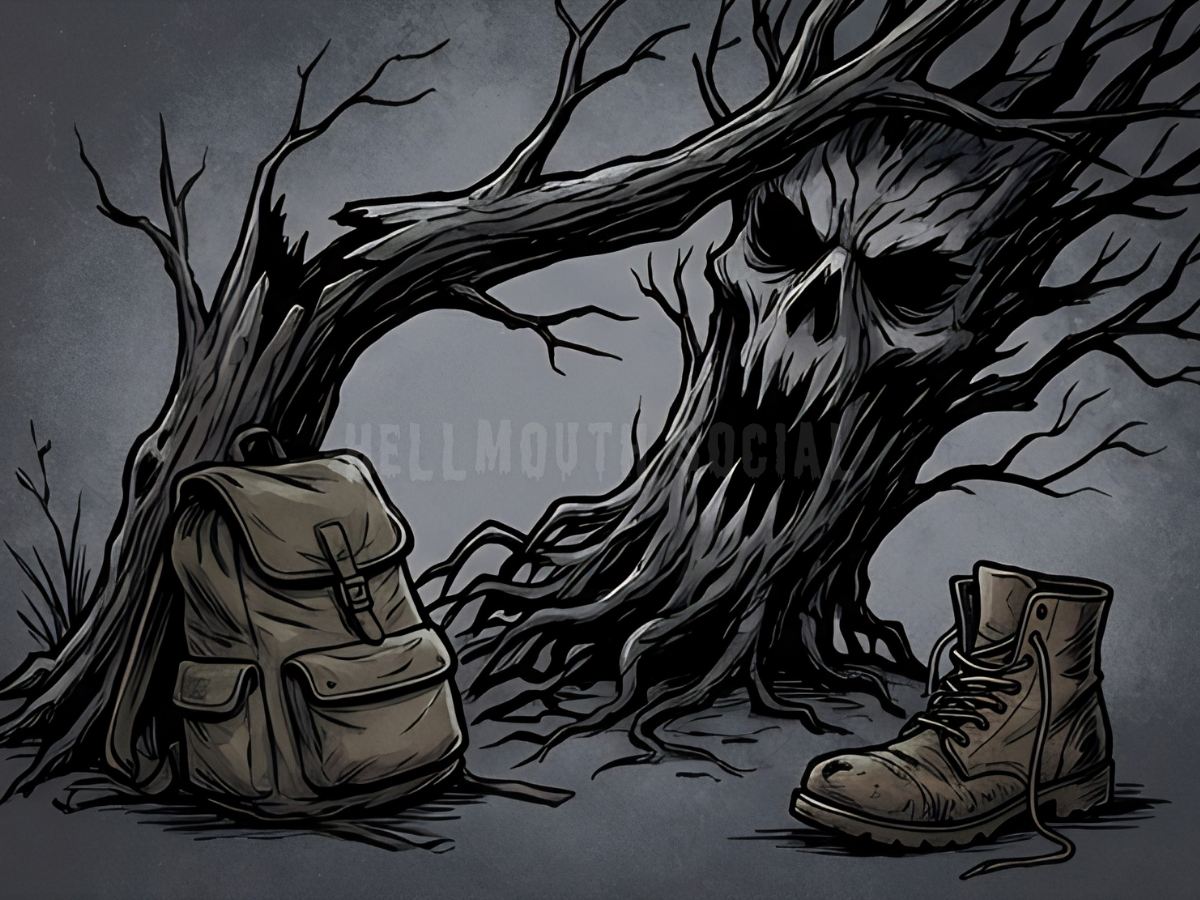
The monster isn't just a creature in the shadows; it’s a reminder of what happens when we lose our humanity in the pursuit of pure survival. As 40-somethings, we’ve survived the Great Recession, a global pandemic, and the rise of TikTok.
We are the ultimate survivors. But as we look into the dark woods of our middle age, perhaps the real lesson is this: Always bring a flare, never trust a guy who won't share his snacks, and for the love of all that is holy, keep your phone charged.
Are we the ones hunting the monsters now, or have we just become the tired adults hoping the monsters don't wake us up before 7:00 AM?