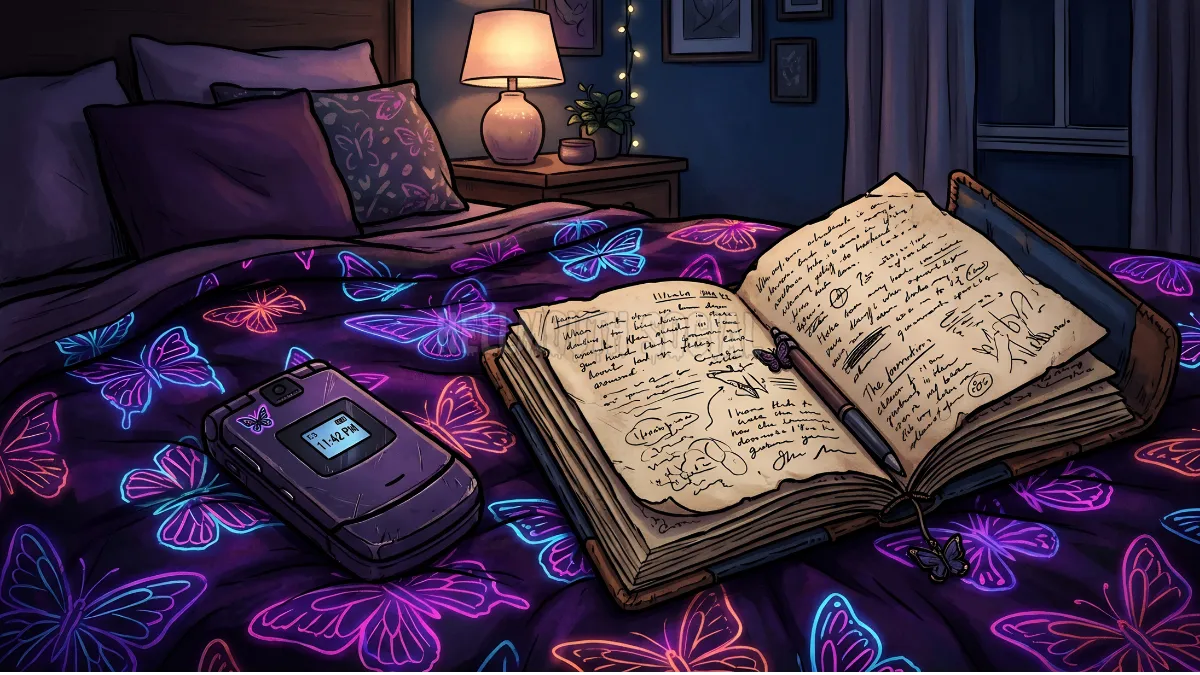
Small Towns, Big Teeth: The 2009 High School Time Capsule
Ah, 2009. A simpler time when our biggest geopolitical concern was whether we had enough minutes left on our Razr and if our side-swept bangs were defying enough gravity to qualify as a structural hazard. I recently revisited the pilot of that one show about the girl, the moody brothers, and the suspiciously high volume of neck-related trauma. You know the one.

Watching this as a 40-something is a trip. Back then, we thought "brooding" was a personality trait; now we know it’s just what happens when you have undiagnosed chronic back pain and a mortgage. Let’s dissect the social fabric of this town where nobody seems to notice the local mortality rate is higher than a Florida retirement home during a heatwave.
1. The Journaling Paradox: If a Teen Cries in the Woods...
In the "Pilot", our protagonist spends an aggressive amount of time writing in a diary. As a sociologist, I’m fascinated by the pre-Instagram thirst for inner depth. In 2009, you had to physically go to a cemetery — risking damp jeans and actual ghosts — just to document your sadness. There was no "Photo Dump" or "GRWM: Funeral Edition".
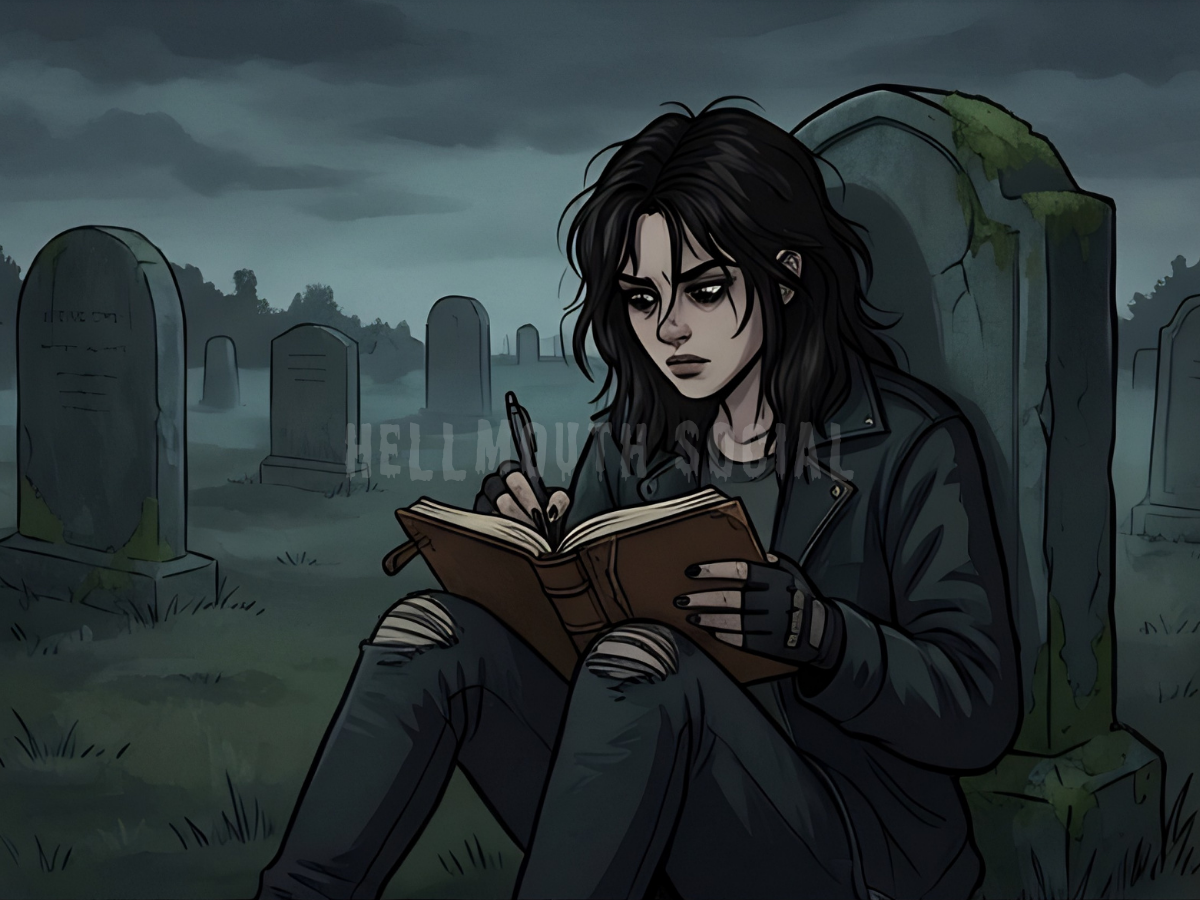
Today, if we want to express our existential dread, we post a meme of a trash can on fire and call it a day. But in this era? The labor of being "deep" was exhausting. The show presents the diary as a private sanctuary, yet the irony is that these characters have less privacy than a goldfish in a glass bowl.
Everyone knows everyone’s business, yet they all act shocked when a guy with 1860s hair shows up and starts lurking in the hallway. It’s a classic case of Small Town Surveillance Theory, where the only thing more scrutinized than your grades is who you’re making eye contact with at the local bonfire.
2. The "New Guy" Metric and Social Velocity
Let’s talk about the arrival of the mysterious stranger. In a modern setting, the "New Guy" would be Googled, LinkedIn-stalked, and his Venmo history analyzed for red flags within six minutes of him stepping onto campus. In 2009? He just shows up with a brooding stare and a ring that looks like it was stolen from a museum, and everyone is just like, "Cool, he seems legit. Let’s invite him to the party in the woods where there is zero cell service."
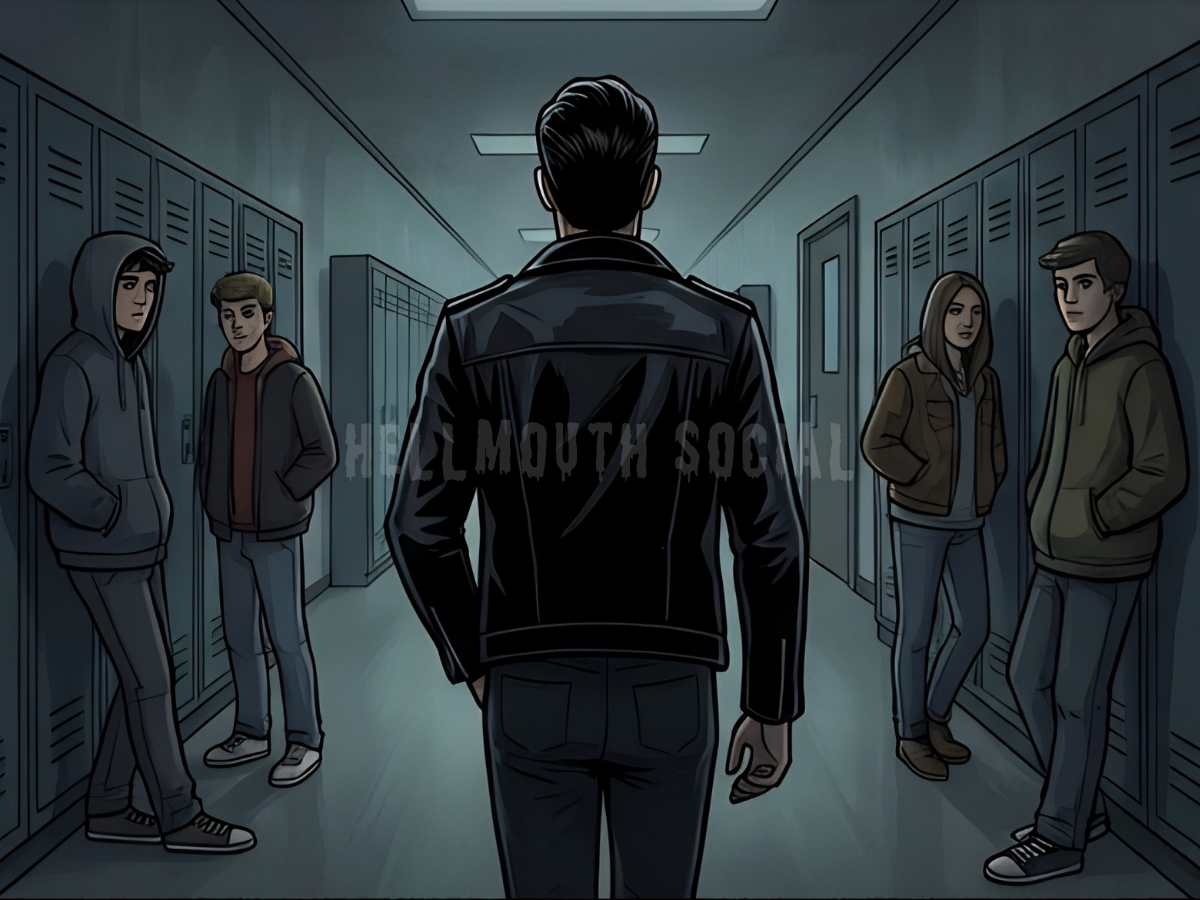
The social hierarchy in the pilot is a delicate ecosystem of 2010s archetypes: the grieving girl, the loyal best friend with psychic vibes, and the jock who peaked in middle school. The introduction of the outsider acts as a catalyst for Status Displacement. Suddenly, the varsity jacket — the ultimate Xennial symbol of power — is rendered useless by a guy who looks like he spends his weekends reading Byron and definitely doesn’t own a T-shirt that isn't a V-neck.
For those of us currently worried about our cholesterol, watching 17-year-olds fall for a guy purely because he "looks like he has secrets" is a hilarious reminder of how low our standards used to be. My only secret now is where I hid the good snacks from my kids.
3. The Bonfire: The Original "No-Fly Zone" for Safety
The pilot culminates at a party in the woods. To our modern eyes, this is a nightmare. There are no Ring cameras, no GPS tracking, and apparently, no parents in this entire county. It’s a sociologist’s dream: a Temporary Autonomous Zone where the youth culture attempts to process trauma through the medium of cheap beer and questionable fashion choices.
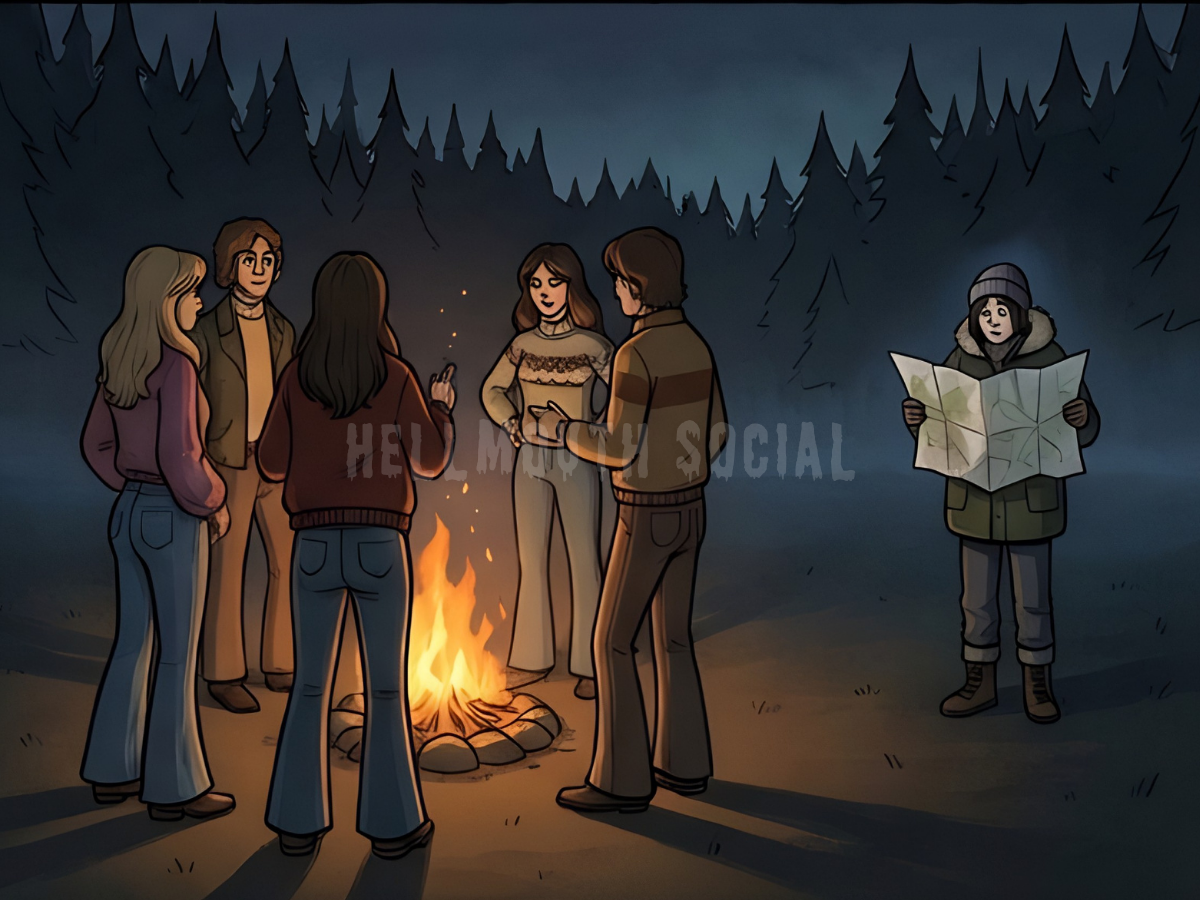
The "scary" element isn't just the supernatural stuff; it’s the lack of infrastructure. When someone gets "bitten" (or as the locals probably call it, "an unfortunate hiking accident"), there’s no immediate 911 call from a smartwatch. There’s just yelling and running through the dark. As Xennials, we remember this transition — the bridge between the "be home when the streetlights come on" era and the "I can see your exact location on a map" era.
The pilot captures that last gasp of true, unmonitored teenage chaos. Also, let's be real: how did they get that much wood into the forest without a pickup truck? That’s the real mystery.
Conclusion: The Comfort of the Cringe
Looking back at the start of this saga is like looking at old photos of yourself in low-rise jeans. You’re embarrassed, but you also kind of miss the confidence it took to pull them off. The "Pilot" reminds us that beneath the fangs and the foggy cemeteries, the show was really about that universal human desire to be seen — preferably by someone who looks like a moody Calvin Klein model.
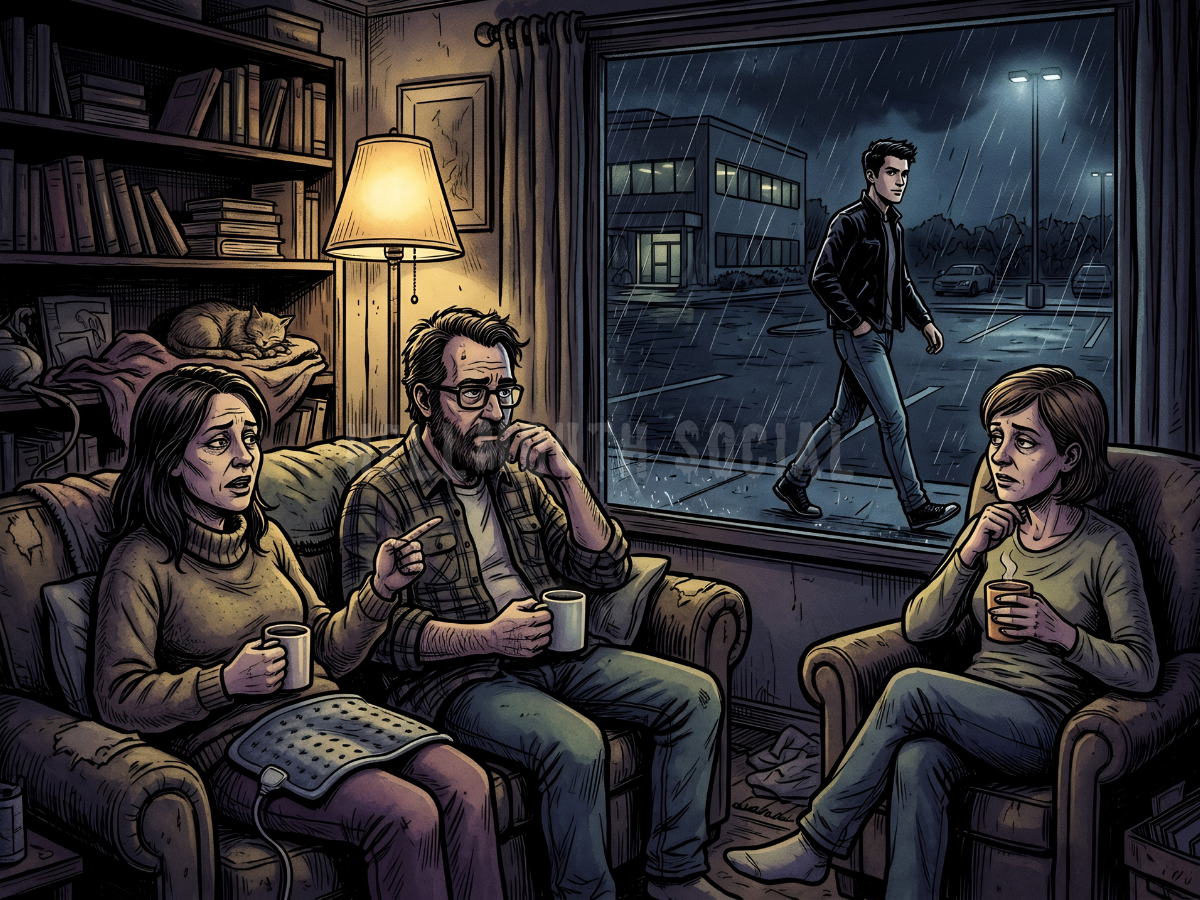
We might be in our 40s now, trading "parties in the woods" for "early nights with a heating pad", but the social dynamics haven't changed that much. We’re still just trying to figure out who’s real, who’s fake, and why that one guy in the office never seems to age.
Is it possible we’re all just one leather jacket away from a mid-life crisis, or are we just nostalgic for a time when "vampire" was a romantic aspiration rather than a description of our energy levels after 9:00 PM?