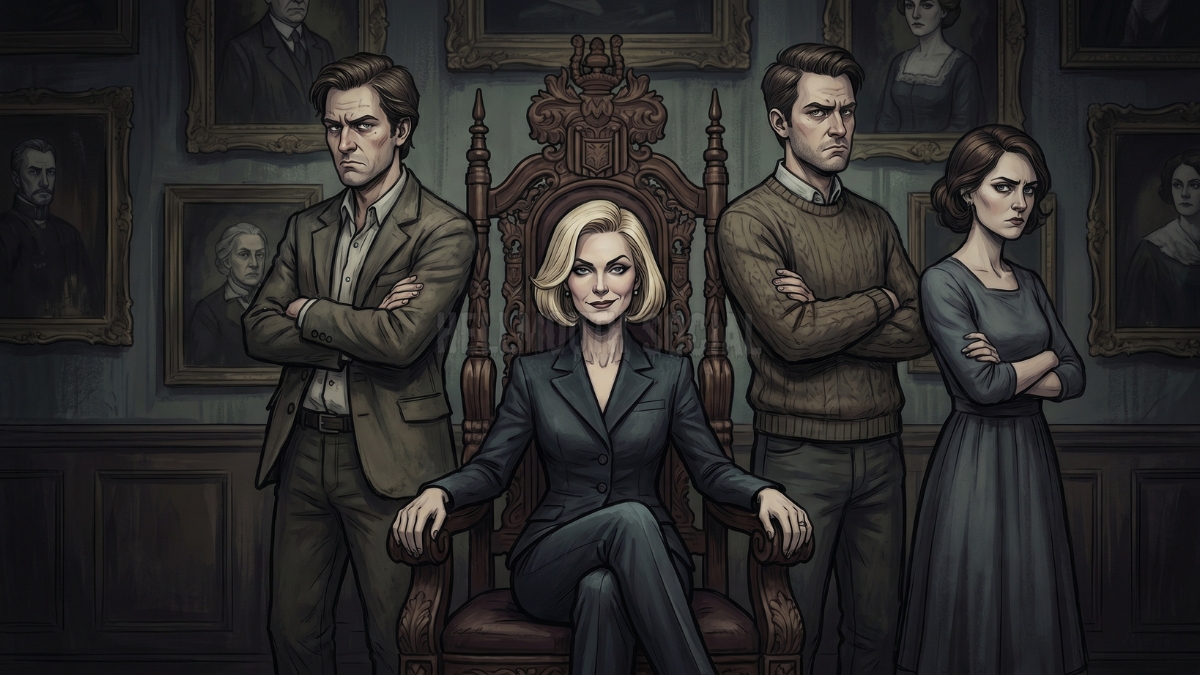
The Original Art of Micromanaging Your Immortal Siblings
If you’re Xennial like me, your knees now make a sound like a bag of chips every time you stand up, and your "fun" weekend plans involve a high-end humidifier and an early bedtime. But today, we’re pivoting from our fiber intake to look back at 2013 — a time when we still thought "hustle culture" was a compliment and a certain family of vampires moved to New Orleans to prove that toxic workplace dynamics are, in fact, eternal.
I’ve been re-watching The Originals, specifically the second episode, "House of the Rising Son". It’s a fascinating relic from the mid-2010s, a period when we were all obsessed with disrupting industries. Turns out, Klaus Mikaelson was the original tech-bro disruptor, just replace the Patagonia vest with a leather jacket and the synergy with a pile of bodies.
This episode is a masterclass in why our generation is so tired: we spent our thirties trying to manage "family businesses" that were really just trauma loops with better lighting.
1. The CEO of Chaos and the Myth of 'Flat Hierarchy'
In this episode, we see the power struggle for New Orleans through the lens of Rebekah’s arrival. Klaus is basically that boss who "replies all" to every email just to assert dominance. He’s obsessed with reclaiming a kingdom he didn't even build, which is the most 2013 "entrepreneurial" energy imaginable.
Back then, we were told that if we worked hard enough, we could own the city. Now, in our 40s, we realize that owning the city just means paying higher property taxes and arguing with the HOA about the specific shade of beige on our front shutters.
From a sociological perspective, the episode highlights the Great Man theory of leadership, which we were still drinking like poisoned Kool-Aid a decade ago. Klaus thinks he needs to be the absolute monarch to feel safe. Marcel, on the other hand, has built a "community" that’s actually just a cult of personality. It’s very "WeWork" before the documentary came out and ruined the fun.
Marcel has rules and systems, which is cute. It’s the mid-2010s version of a corporate mission statement that says "We’re a family here", which we all know is HR-speak for "We will call you on your vacation."
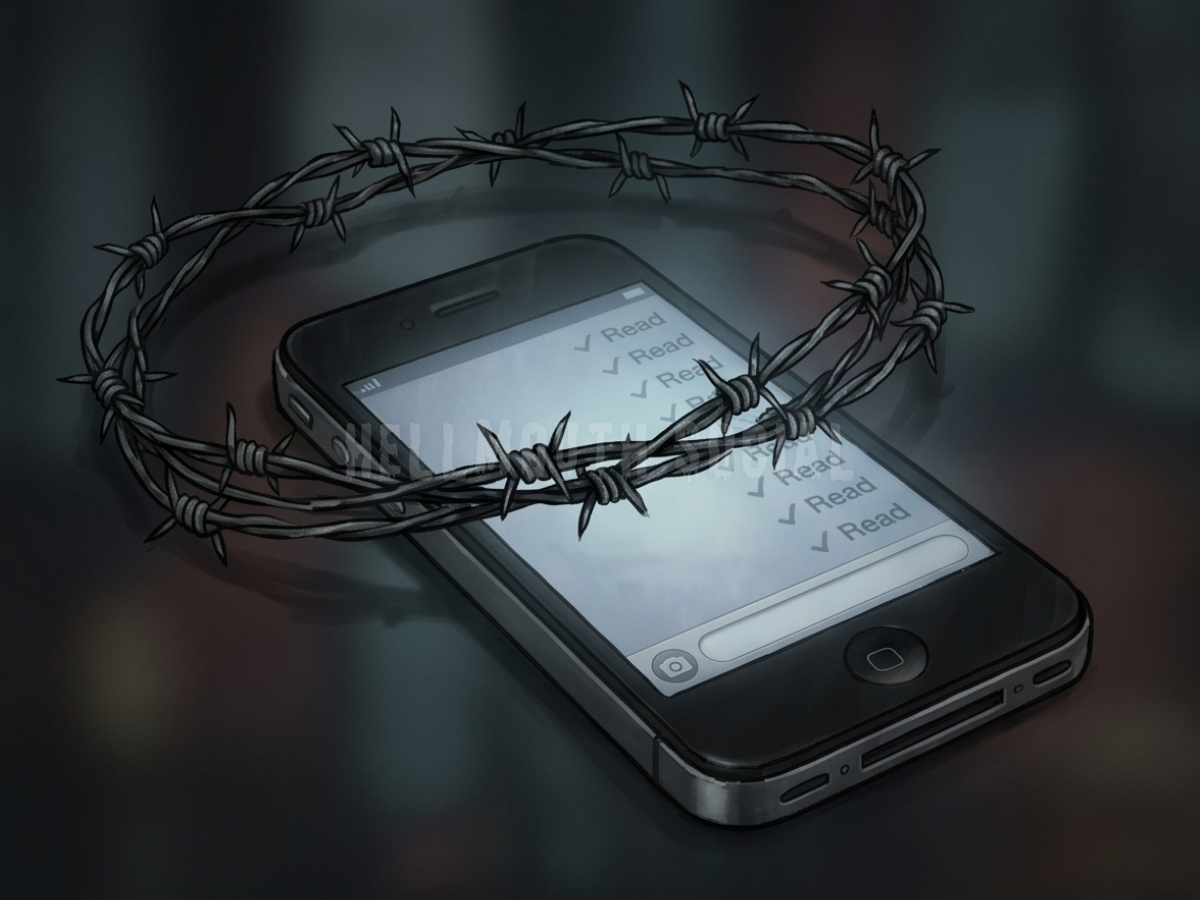
Comparing this to our lives today? We’ve traded the desire for "kingdoms" for the desire for a silent phone. In 2013, we might have related to this kind of ambition. In 2026 though, we’re just Rebekah, standing in the middle of a messy house, wondering why we’re the only ones who know how to use the dishwasher or, you know, not murder the neighbors.
We’ve moved from the "ambition" stage of sociology to the "radical acceptance" stage, which mostly involves sighing deeply into a mug of herbal tea.
2. Secrets are the New Carbon Footprint
"House of the Rising Son" is built on the back of flashbacks to 1919, proving that the Mikaelsons have been failing at transparent communication for over a century. The core conflict involves the secrets they keep from each other — specifically Klaus’s paranoia and Rebekah’s desperate need for a life that doesn't involve her brothers’ baggage.
In the mid-2010s, "authenticity" was the big buzzword. We were all supposed to be living our truth on social media, which usually just meant posting a filtered photo of an avocado toast.
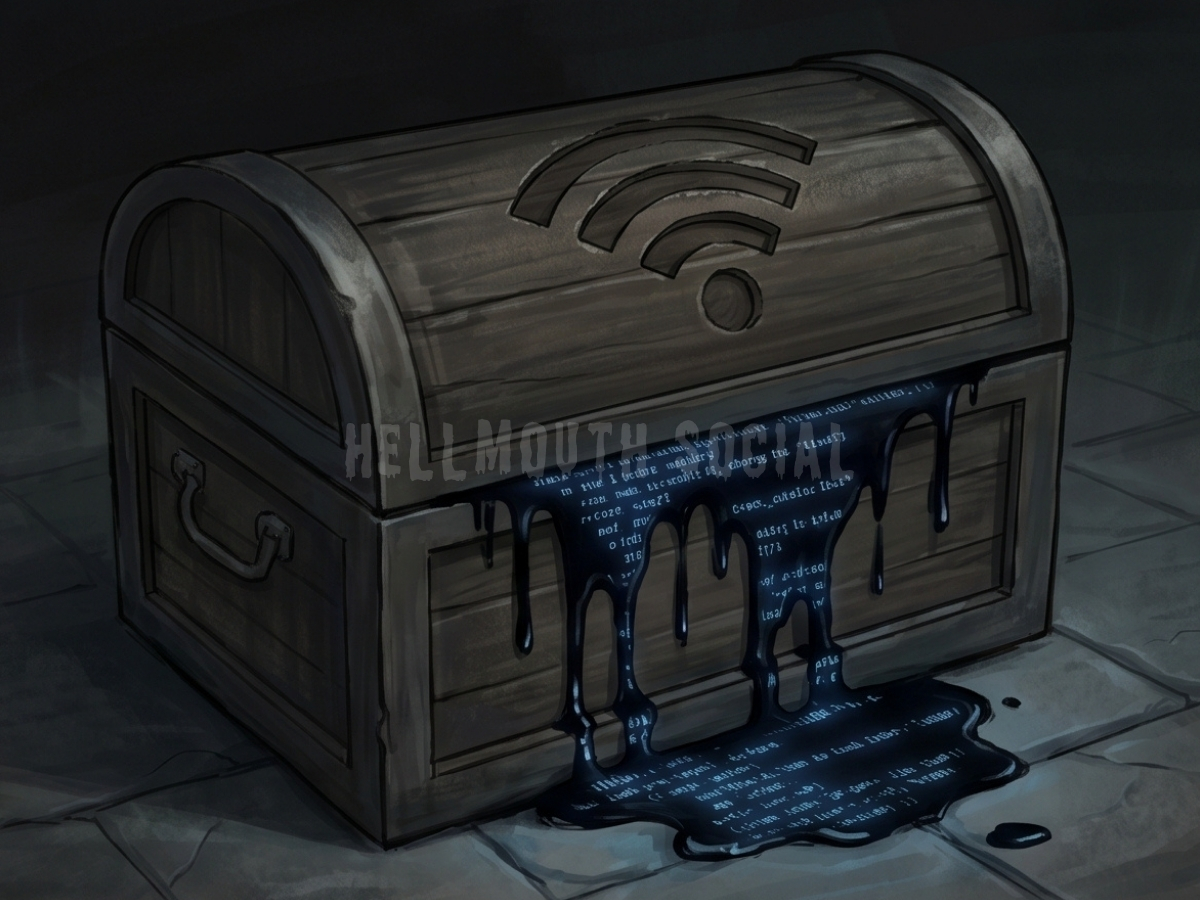
The sociological irony here is the Privacy Paradox. The Mikaelsons want loyalty but offer zero transparency. In 2013, we were still figuring out how much of our lives to put online. Now, as 40-somethings, we’ve realized that secrets aren’t just "hidden information" — they’re emotional labor. Every secret Klaus keeps is a project he’s failing to delegate.
Watching Rebekah’s history of heartbreak in this episode feels like looking at our old dating profiles from the era of the first "swiping" apps. We were so optimistic! We thought we could find a human connection in a world of monsters. Today, our sociological connection is mostly just being in a group chat where everyone sends "haha" to a meme and then doesn't speak for three days.
The Mikaelsons’ inability to trust each other is the ultimate Xennial mood: we want to be part of the group, but we’ve been burned by the "terms and conditions" too many times to actually sign the contract.
3. Urban Gentrification: Supernatural Edition
The episode heavily features the "Old New Orleans" versus the "New Order". Marcel has gentrified the supernatural community. He’s taken the wild elements and put them under a strict regulatory framework — no magic allowed without a permit. It’s the sociological equivalent of a neighborhood getting a boutique juice bar and suddenly you can’t park your car without a $50 fine.
In 2013, we were the ones moving into these up-and-coming areas, thinking we were "urban pioneers". Now, we’re the ones complaining that the new coffee shop is too loud and that the vibes were better when there was more grit. Marcel’s New Orleans is a controlled environment. He’s created a Social Capital system where your value is based on your proximity to him.
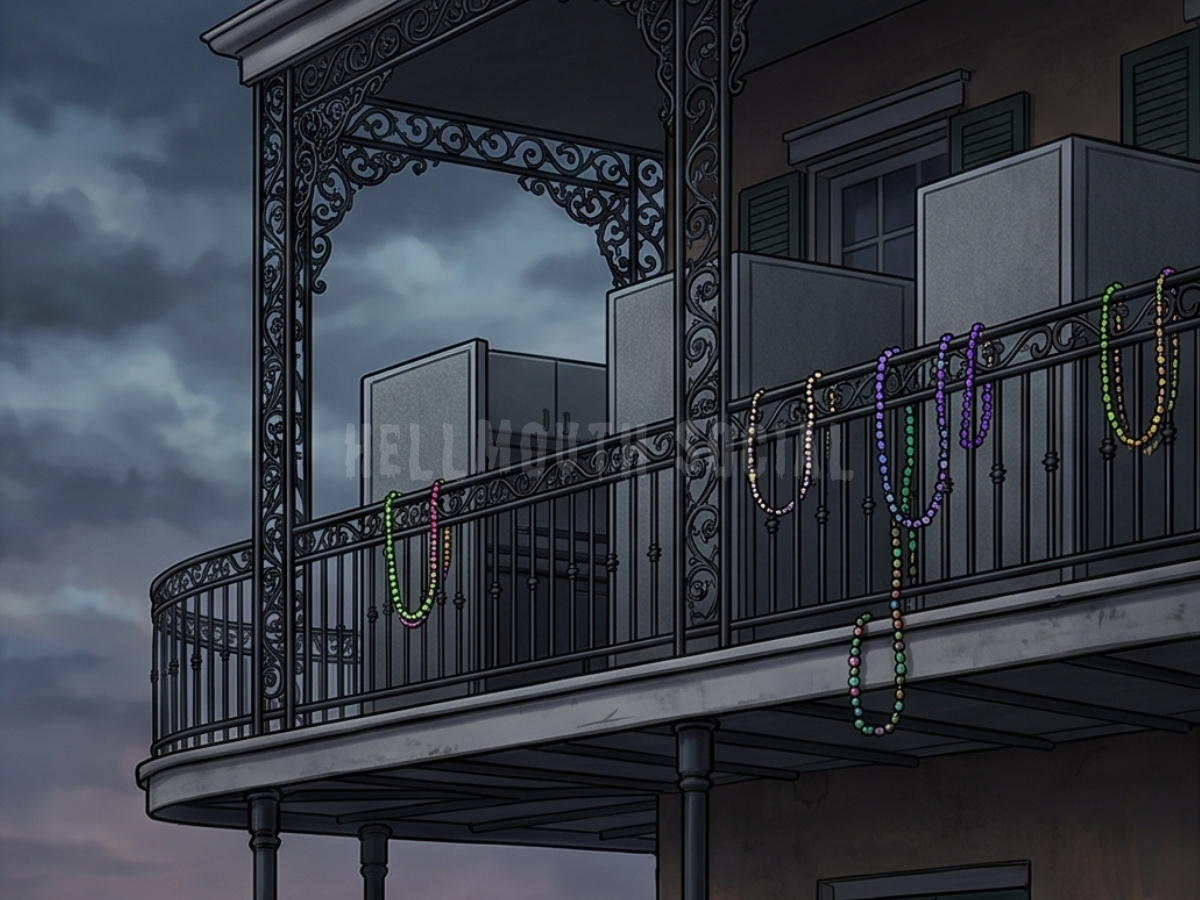
For those of us in our 40s, this episode hits a nerve regarding "belonging". We see the characters fighting over who owns the culture of the city. Sociology tells us that culture is a living thing, but Klaus and Marcel treat it like a trophy. We do the same thing when we argue about which decade had the best music (it was the 90s, don't come @ me).
We’re all just trying to claim a space in a world that’s moving faster than our ability to update our software. The "Rising Son" isn't just about a person; it's about the ego of thinking you can control the narrative of a place. Spoiler alert: you can’t. The city always wins, and usually, it just wants you to pay your utility bill on time.
The Final Verdict: Why We’re Still Watching
Ultimately, episode 2 of The Originals is a time capsule of our collective Main Character Syndrome. It captures that specific moment in the 2010s when we believed our personal dramas were of Shakespearean importance. Whether it’s Klaus’s daddy issues or Rebekah’s search for "the one", it’s all so incredibly exhausting.
Sociologically, we’ve shifted from a Performance Society — where we had to show power and status — to a Preservation Society. We’re just trying to keep our joints lubricated and our screen time under four hours. We watch these characters now not because we want to be them, but because they represent the parts of our younger selves we finally left at the lost-and-found: the part that thought "dominating the market" was more important than a good night’s sleep.
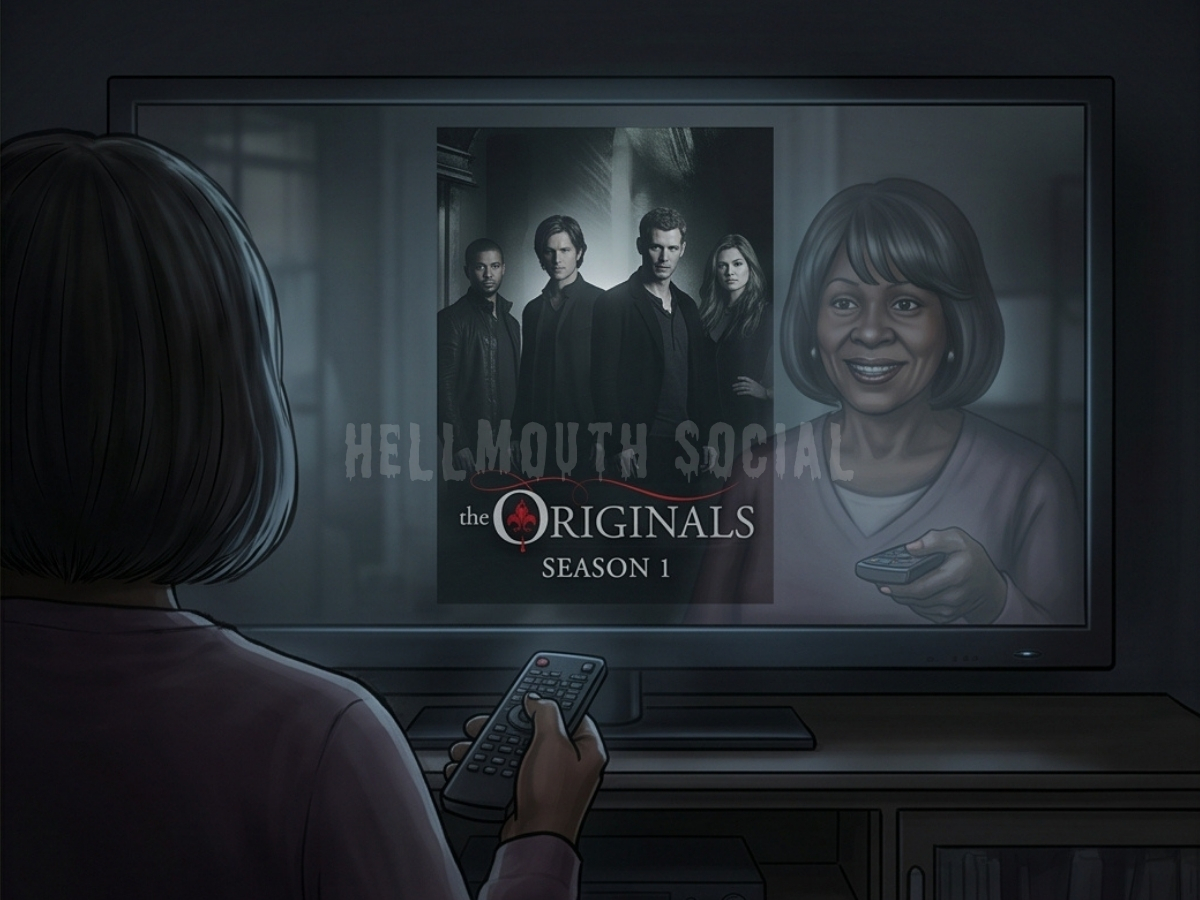
We love the Mikaelsons because they’re the ultimate dysfunctional family, and if there’s one thing Xennials understand, it’s navigating a family dinner where nobody talks about the "elephant in the room" because the elephant has been there since 1919 and has its own Netflix special by now.
So, grab your compression socks, pour a glass of something that won't give you heartburn, and appreciate that your biggest power struggle today is probably just trying to remember the password for your grocery delivery app.
Stay cranky, stay hydrated, and remember: at least you aren't stuck in a casket for fifty years because your brother had a "mood".