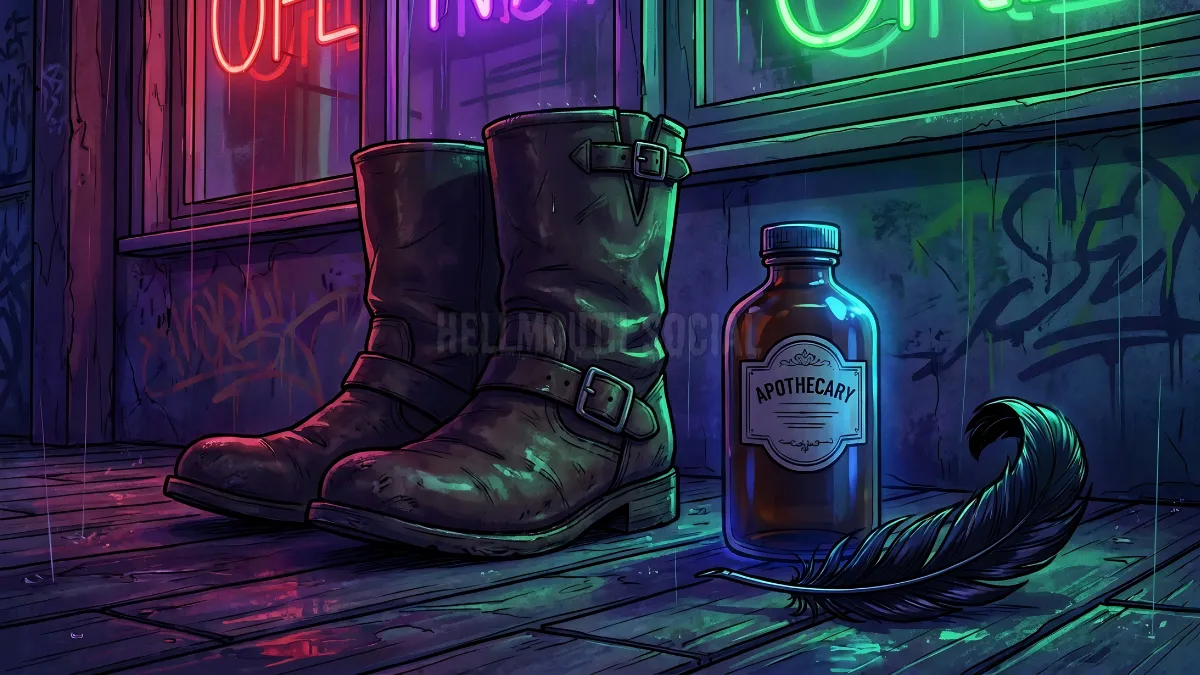
Why Sleep All Day if You Can’t Party All Night Anymore
Listen, if you were born between 1977 and 1983, you spent a significant portion of 1987 convinced that the greatest threat to your safety wasn’t climate change or a collapsing middle class — it was a pack of mulleted vampires in Santa Carla.
We all watched The Lost Boys and walked away with three very specific life goals: find a translucent silk duster, move to a boardwalk where people randomly play the saxophone while glistening with baby oil, and never, ever invite a strange man named David into our home unless he’s bringing Chinese takeout that definitely isn't maggots.
But looking back at Joel Schumacher’s masterpiece through the lens of a mid 40-something who now considers "staying up until 11:00 PM" an extreme sport, the movie hits differently. It wasn’t just a horror flick; it was a neon-drenched sociological manifesto on the death of the American nuclear family and the birth of the "Peter Pan" complex that we’ve been nursing ever since.
1. Latchkey Kids and the Vampire Babysitter Shortage
In 1987, the "Broken Home" was the ultimate cinematic trope. Lucy Emerson drags her kids to her eccentric father’s house because she’s divorced, broke, and looking for a fresh start. Today, we call that downsizing for a lifestyle pivot but back then, it was the catalyst for chaos. From a sociological standpoint, the Emerson boys were the quintessential Latchkey Kids.
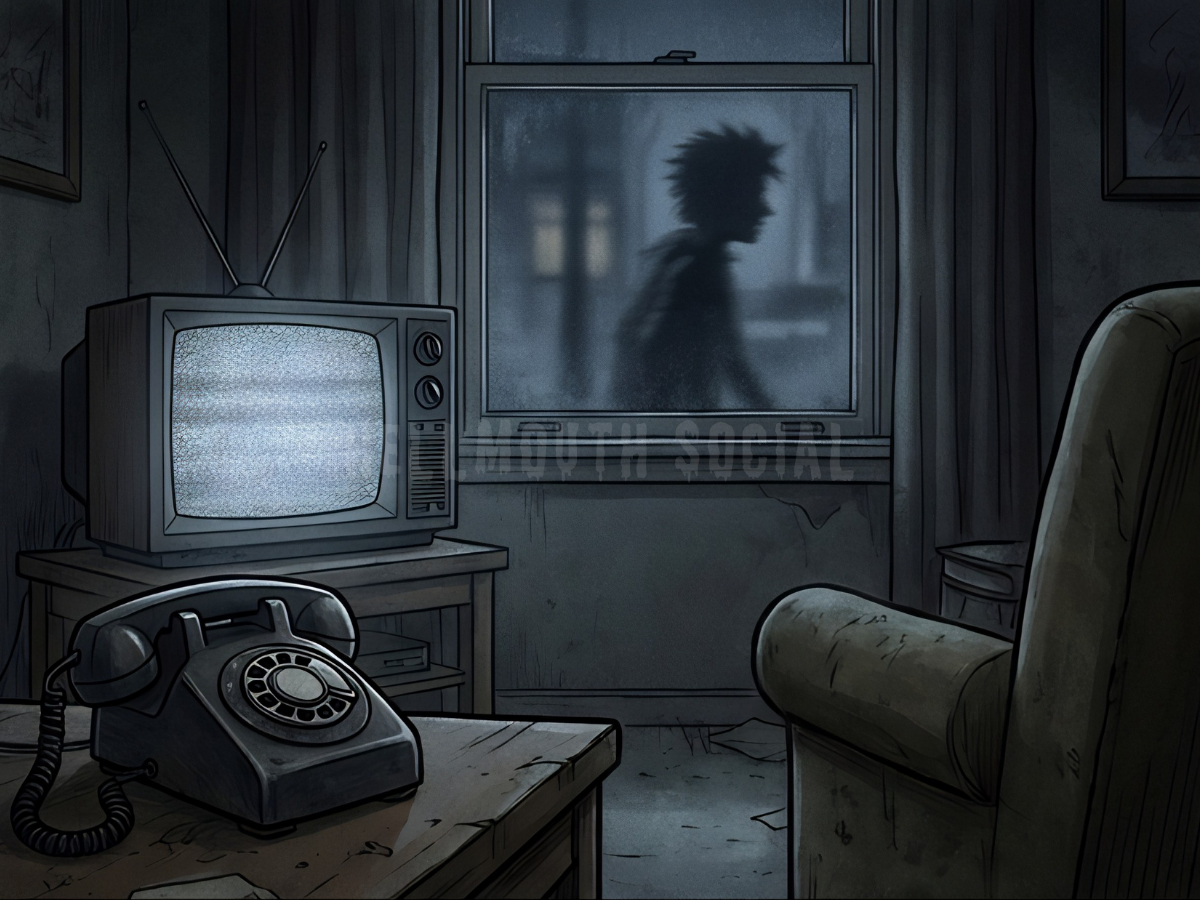
While Lucy is out flirting with Max (the literal head vampire — talk about a red flag!), Michael and Sam are left to roam a boardwalk that is essentially a 24-hour crime carnival. In 2026, if a parent left their kids alone to wander a pier where people regularly go missing, they’d be the subject of a 12-part true crime podcast by Tuesday. But in the '80s? That was just "gaining independence".
The vampires themselves are the ultimate personification of the peer-group influence that sociologists obsess over. They offered a found family to a kid who felt displaced. They weren't just bloodsuckers; they were a counter-culture tribe.
Today, Michael wouldn't join a gang of motorcycle vampires. Instead, he’d probably just get radicalized in a niche subreddit about crypto-currency. It’s much less stylish and involves significantly less leather.
2. The Frog Brothers: Junior Vigilantes or Unsupervised Anxiety?
Can we talk about Edgar and Alan Frog? These kids were twelve years old, running a comic book shop, and stockpiling wooden stakes. They represent the Pre-Teen Paranoia of the era. Growing up in the shadow of the Cold War and the "Stranger Danger" panic, Xennials were conditioned to believe that evil was lurking everywhere — usually in the form of a guy with a bleached pompadour.
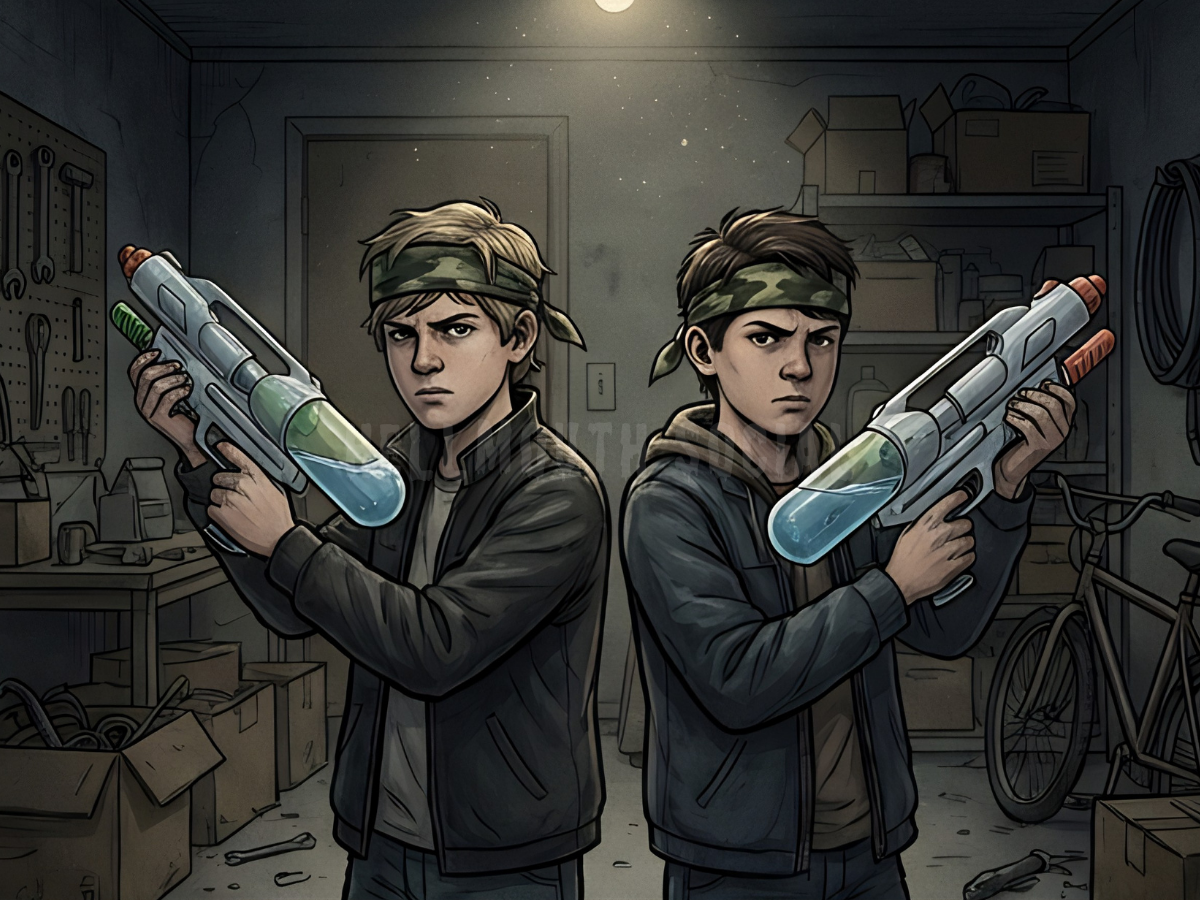
The Frog Brothers are a hilarious reflection of how we used to view expertise. They read a few comic books and suddenly they’re the authorities on the supernatural. In today's world, the Frog Brothers would be "content creators" with a YouTube channel called StakeTalk, debunking vampire sightings while trying to sell you athletic greens and VPN subscriptions.
The sociology of the Neighborhood Watch is dialed up to eleven here. We were the generation told to "watch out for ourselves", which resulted in a group of kids basically conducting a home invasion on a local businessman because his dog looked at them funny.
We were feral. Nowadays, we won't even answer the doorbell if we aren't expecting a package, yet back then we were ready to fight the undead with a squirt gun and a dream.
3. Eternal Youth is Great Until Your Back Starts Hurting
The core "sell" of the vampire lifestyle in the film is "Thou shalt never grow old, thou shalt never die." To a teenager in 1987, that sounded like the ultimate deal. You get to hang out under a bridge, look like a rock star, and never have to take a geometry final.
But looking at this as a Xennial in the 2020s? The idea of being a teenager forever is a literal nightmare. Can you imagine having to maintain that level of angst for 400 years? The upkeep on the hairspray alone would bankrupt you. Sociologically, The Lost Boys explores the Extended Adolescence that has become a hallmark of our generation. We are the "Kidults" — the people who still buy Lego sets and argue about Star Wars at 45.
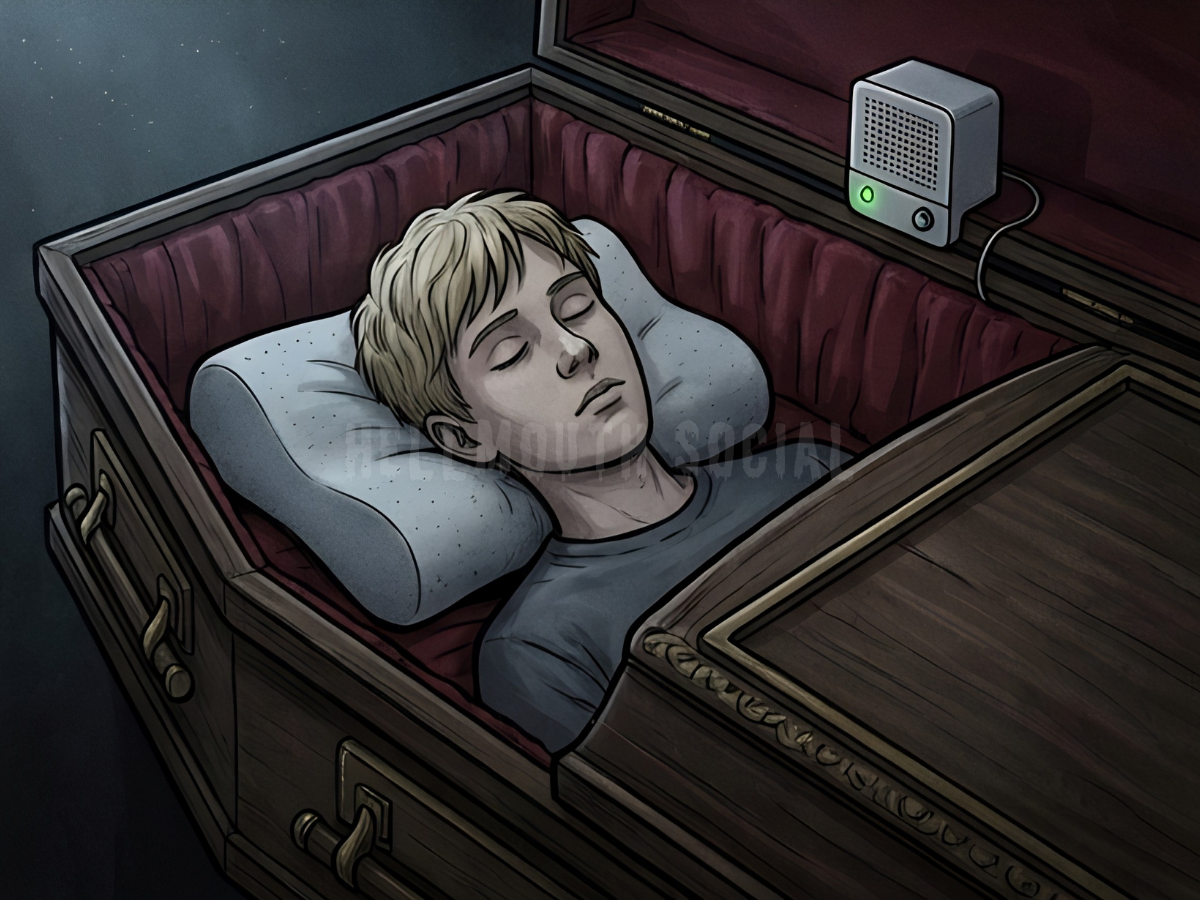
David and his crew were the original "Lost Boys" because they refused to enter the workforce or engage in the traditional social contract. They chose a permanent subculture over the mundane reality of adulthood.
As 40-somethings, we now realize that "immortality" just means 200 more years of paying property taxes and wondering if that new mole is something to worry about. The "cool" vampires were really just avoids-adulting-at-all-costs personified. We don't want to be vampires anymore. We just want a solid eight hours of sleep and a functional metabolism.
The Verdict: Grandpa Knew Best
The most Xennial moment in the entire film is the ending. After a blood-soaked battle where the house is destroyed and a man is impaled on deer antlers, Grandpa walks in, grabs a root beer, and complains about the "damn vampires".
That is the energy we have all inherited. We’ve lived through the transition from analog to digital, the rise and fall of the mall, and multiple "unprecedented" global events. We are tired. We’ve seen the vampires, we’ve fought the battles, and at the end of the day, we just want to know why the Wi-Fi is slow and if anyone remembered to take the trash out.
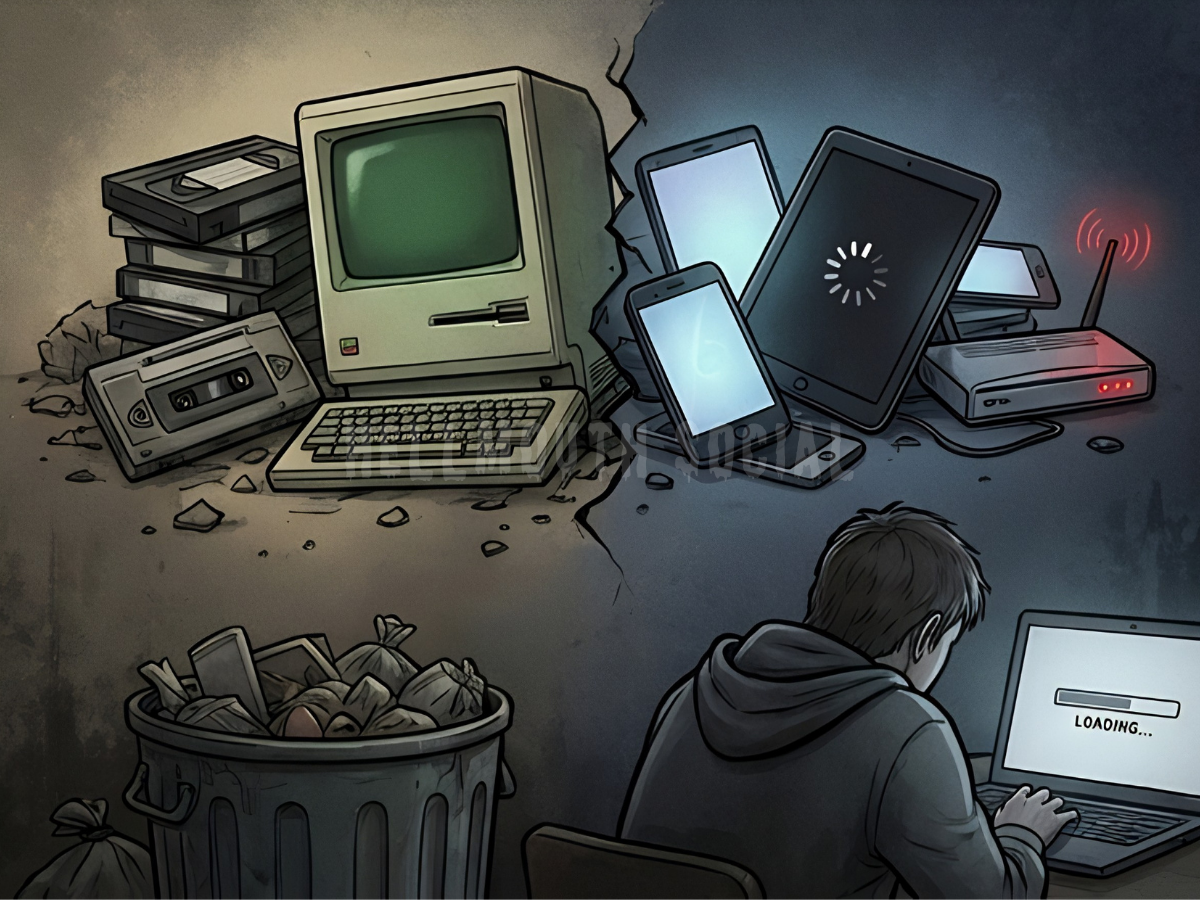
The Lost Boys reminds us that while the glamour of rebellion is fun when you’re nineteen and your skin is tight, there’s something deeply satisfying about being the one who survives the night — even if you have to do it while wearing a sensible cardigan.
What about you? If David offered you a bottle of "wine" under a bridge tonight, would you drink it, or would you ask him if it's sulfate-free and if there's a bathroom nearby with good lighting?
Let's be real: we're all choosing the bathroom.